

Trailer GPS Tracker Australia: How to Stop Losing One

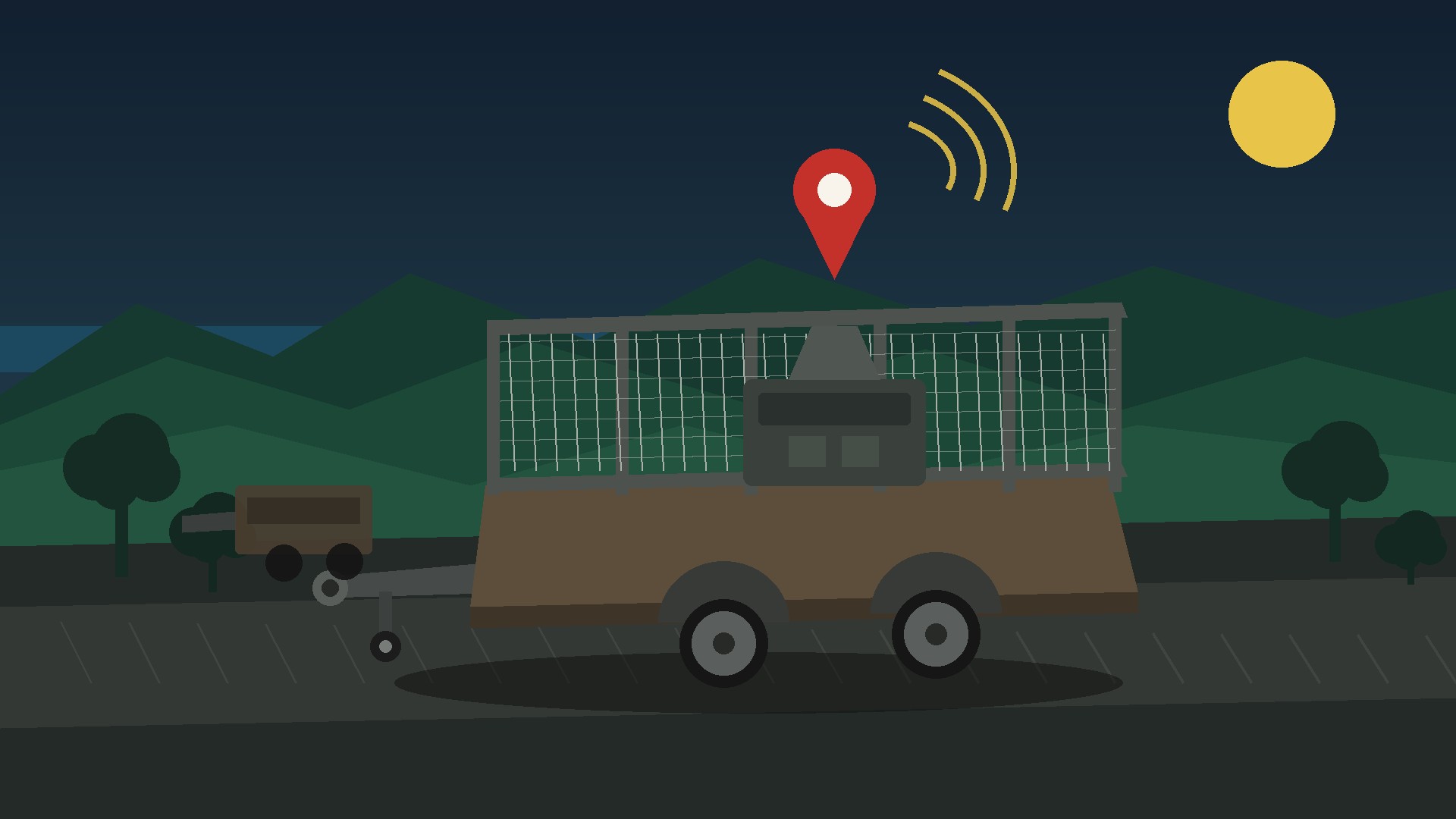
A trailer GPS tracker is a different job from a plug-in tracker on a ute. Box trailers, plant trailers, boat trailers and tradie trailers have no OBD-II port. They sit unattended in yards, on job sites and at boat ramps. If someone hitches up and drives away, you need a hidden, hardwired unit on the trailer’s own power — not a gadget designed for a daily driver.
This guide covers how trailer tracking works in Australia, why hardwired wins, how to keep the unit alive when the trailer is parked, and what to check for coverage. It is written for tradies, plant operators and small yards. If you are protecting a van rather than a work trailer, see the related caravan GPS tracker guide.
Why trailers get stolen and lost
Trailers are easy to steal because they are built to be towed. A thief does not need a key to an engine. They need a compatible coupling, a few minutes, and a quiet street. A plant trailer with a generator, a box trailer full of tools, or a boat on a ramp trailer is worth more than the steel it sits on — and it looks generic enough that neighbours do not clock it leaving.
They also get lost without a crime. A box trailer left at a job, a plant trailer moved between depots, a boat trailer parked at the wrong ramp, a hire trailer that did not come back on Friday. The problem is the same: you cannot see it, and you cannot prove where it last was.
A useful trailer GPS tracker does three things:
- Shows the trailer on a map while it is parked
- Alerts you if it moves after hours or leaves a yard
- Gives you a live location you can pass to police if it is stolen
Cheap magnetic pucks fail that test. They fall off corrugated roads, they are the first thing a thief looks for on a chassis rail, and many of them ping once an hour. By then the trailer is on a highway. Trailer tracking only works if the device stays on the trailer, stays powered, and updates often enough that a moving pin is useful.
Yards and ramps make this worse. A plant trailer in a compound looks like every other plant trailer. A boat trailer at a public ramp is unattended while you launch. A tradie trailer behind a job site is out of sight of the ute. If you only notice it is gone the next morning, a last-seen suburb is not a recovery plan.
Plug-in vs hardwired on a trailer (hardwired wins)
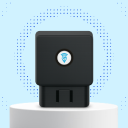
A plug-in OBD tracker is the wrong tool for the trailer. There is no diagnostic port. The 7-pin or 12-pin plug on the drawbar is a lighting and brake connector, not an OBD-II socket. If you plug a car tracker into the tow vehicle, you track the ute — not the trailer you left behind.
Magnetic and battery-only units look convenient. On a trailer they are a liability. The chassis is exposed. Anyone who crawls under with a torch can pull a magnet off. A corrugated track will do it for them. And a battery pack that lasts a week is no use on a plant trailer that sits in a compound for a month.
A hardwired GPS tracker is the practical option because it is:
- Concealed in a cavity, toolbox or drawbar space
- Powered from the trailer, so it stays online when unhitched
- Harder to find and disconnect than a puck on a rail
- Able to send cut-wire and power-loss alerts if someone starts cutting cables
That is why the starting point is the hardwired tracker, not a plug-in dongle. Remote engine cut-off — the optional kill switch on a vehicle — is not a trailer feature. A trailer has no starter motor. On a trailer you care about location, movement, geofences and power alerts. Do not buy a unit because the brochure lists immobilisation if you are only protecting a trailer.
If you also want the tow vehicle on the map, that is a separate device on the ute. The trailer still needs its own tracker. Trailer tracking fails the moment the device lives on the vehicle that drove away.
Power when the trailer is parked
This is the decision that makes or breaks a trailer GPS tracker. A car tracker runs off a vehicle battery that is charged every day. A trailer often has no such battery. The tow plug is live only while the trailer is hitched and the vehicle is connected. The moment you unhitch at the yard, that feed is dead.
A hardwired unit still needs a power source. EZY GPS hardwired trackers are specified at 9V–35V on the live pricing page, which covers a typical 12-volt trailer circuit. What you must sort out before install is where that 12 volts comes from when the trailer is parked.
Common setups:
- A dedicated 12-volt battery on the trailer — plant trailers and some box trailers already have one
- A breakaway or auxiliary battery that stays on the trailer
- A small deep-cycle battery with a solar trickle charger on a trailer that sits for weeks
- Constant power from a house or plant battery on a powered plant trailer
If the trailer has no battery at all, say so when you speak to support. A standard hardwired unit will not invent power. Unpowered trailers need a power solution first. That is the usual gap on a cheap box trailer or a boat trailer that only has lighting when it is hitched.
A correct install uses a fused constant feed and a clean earth. Do not tap brake, indicator or safety circuits. Do not rely on the tail-light circuit — that only lives when the vehicle is connected and the lights are on. Ask the installer to measure draw if the trailer sits for long periods. A poor earth or an unfused tap is a bigger risk than the tracker itself.
EZY GPS recommends a professional installer or auto electrician for hardwired units. That is the right call on a trailer. A messy install leaves the unit where the first person with a torch can find it, or flattens a small battery over a long weekend.
A typical install looks like this:
- Confirm the trailer has a usable 12-volt supply when unhitched.
- Pick a concealed location with a view of the sky — not inside a fully enclosed steel box that blocks GPS.
- Connect fused constant power and earth. Use ignition/ACC only if the trailer has a switched circuit you actually need.
- Confirm the unit has power and network, then check it on the app.
- Set a geofence around the yard before you leave.
Do not splice into brake or safety circuits. If you are unsure about power on a particular trailer, call 1300 399 477 before you order.
What to look for in AU coverage
Coverage on a suburban yard is not the same as coverage on a regional job or a boat ramp an hour off the highway. EZY GPS plans run on major Australian networks. Optus suits metro and many regional routes. Telstra is the wider-coverage option for remote work. Every device is supplied with a SIM. If you are unsure which network matches your usual sites, call Australian support on 1300 399 477 before you order.
Update rate matters on a theft. A trailer that is being towed away does not wait for a 15-minute refresh. EZY GPS devices send location updates every 10 seconds once they are online. That is the difference between “it was at the depot this morning” and watching it move in near real time.
You also want:
- Geofence alerts when the trailer leaves the yard, depot or ramp
- Vibration or movement alerts if it is bumped or hitched without you
- Power-loss or cut-wire alerts if someone disconnects the unit
- Trip history you can replay, with 12 months of data stored and CSV export
The EZY GPS app runs on iOS, Android and the web. Hardware is included with the subscription — there is no separate “buy the box, then rent the SIM” step on the plans published on the site. That combination is what makes trailer tracking usable the week after install, not just the afternoon you set it up.
How to choose
Match the setup to the trailer, not to a discount sticker.
What you tow
A box trailer and a tradie trailer usually have a simple 12-volt lighting circuit and sometimes a small battery. A plant trailer may already have a battery for ramps, winches or plant. A boat trailer is often unpowered when it sits at home, and it gets wet. Tell the installer which one you have. The tracker is the same class of hardwired unit; the power and concealment change.
Where it sits
A trailer that lives in a metro yard overnight can use the value network on the published plans. A trailer that spends weeks on regional jobs or at remote ramps needs the wider-coverage option. If the same trailer does both, pick the network for the worst site you actually use, not the driveway at home.
Power when parked
If there is no 12-volt supply on the trailer itself, fix that first. Do not order a hardwired unit and hope the tow plug will do. A trailer GPS tracker that dies the moment you unhitch is only tracking the trip, not the asset.
Plan and cost
On the live EZY GPS pricing page: on longer plans, pricing is from $50/year on the 5-year Optus path, and the GPS tracker is included. The annual plan is $120 + GST per device and includes the tracker. Confirm figures on the pricing page the day you order. Shipping is $15 per order, free on six or more devices. If you are fitting a mix of trailers and vehicles, ask about fleet pricing rather than guessing a bulk rate.
What you do not need
You do not need a plug-in OBD unit on the trailer. You do not need a kill switch on a trailer with no engine. You do not need a second buyer’s guide for a van — that is a different post. Choose the hardwired tracker, a network that matches the sites, and a power feed that stays live when the trailer is parked.
Next step
If you want a trailer GPS tracker that stays on the trailer when it is unhitched, start with the hardwired tracker and the plan that matches your coverage. Compare current prices on the EZY GPS pricing page, or contact the team with the trailer type and whether it has a battery. Questions about a specific trailer, a trailer with no battery, or a yard with several units: call 1300 399 477. That is faster than guessing the wiring from a product photo.

Continue researching
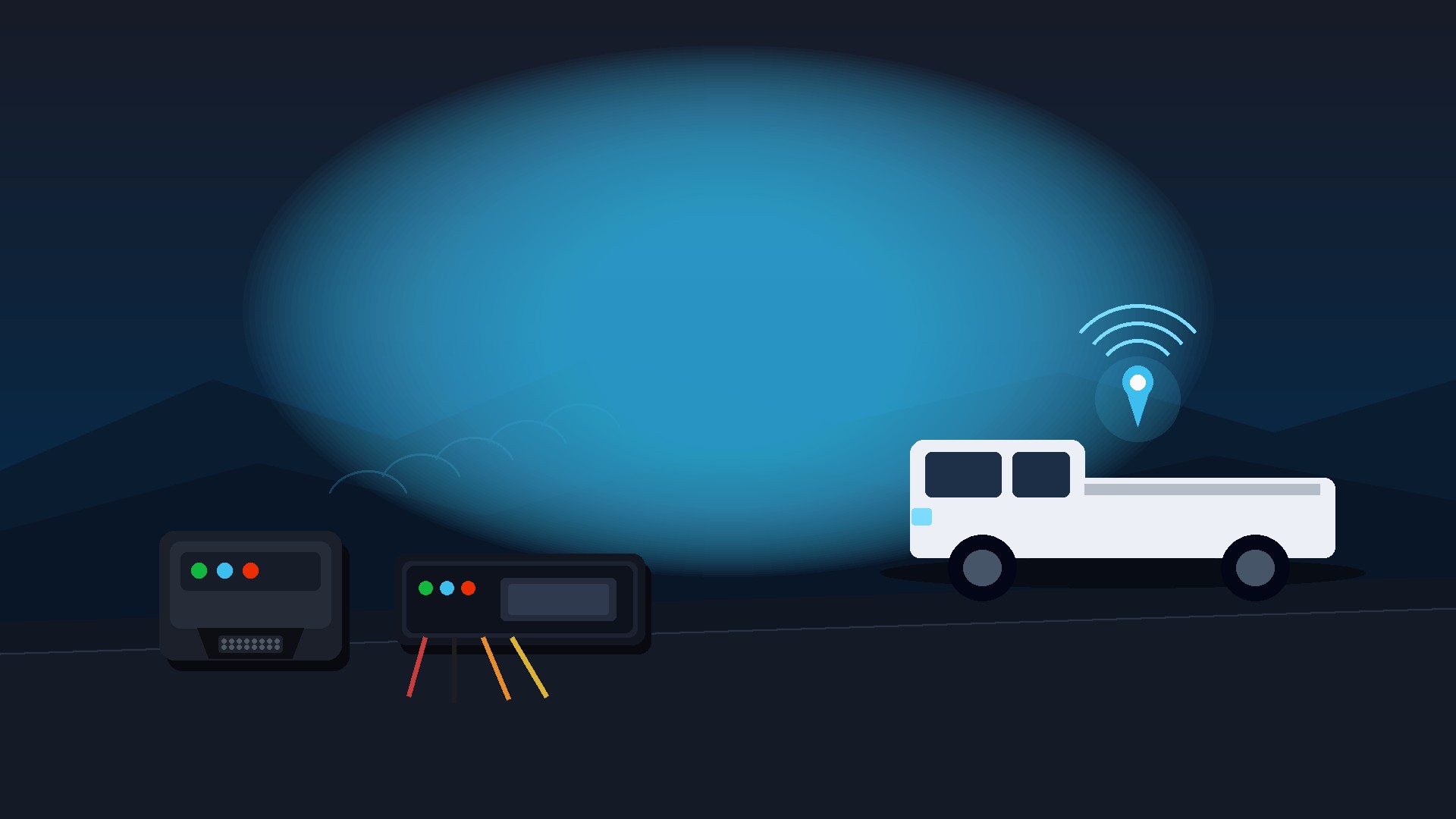
Useful EZY GPS product and setup resources
Compare tracker types, review plan pricing and follow practical installation guidance after reading an EZY GPS article.