
Fleet & Business GPS Solutions
Vehicle GPS Tracking
OBD GPS Trackers
Hardwired GPS Trackers

Fleet Tracking Australia: Live GPS for Work Vehicles

Daniel Brunes
Aug 26, 2026
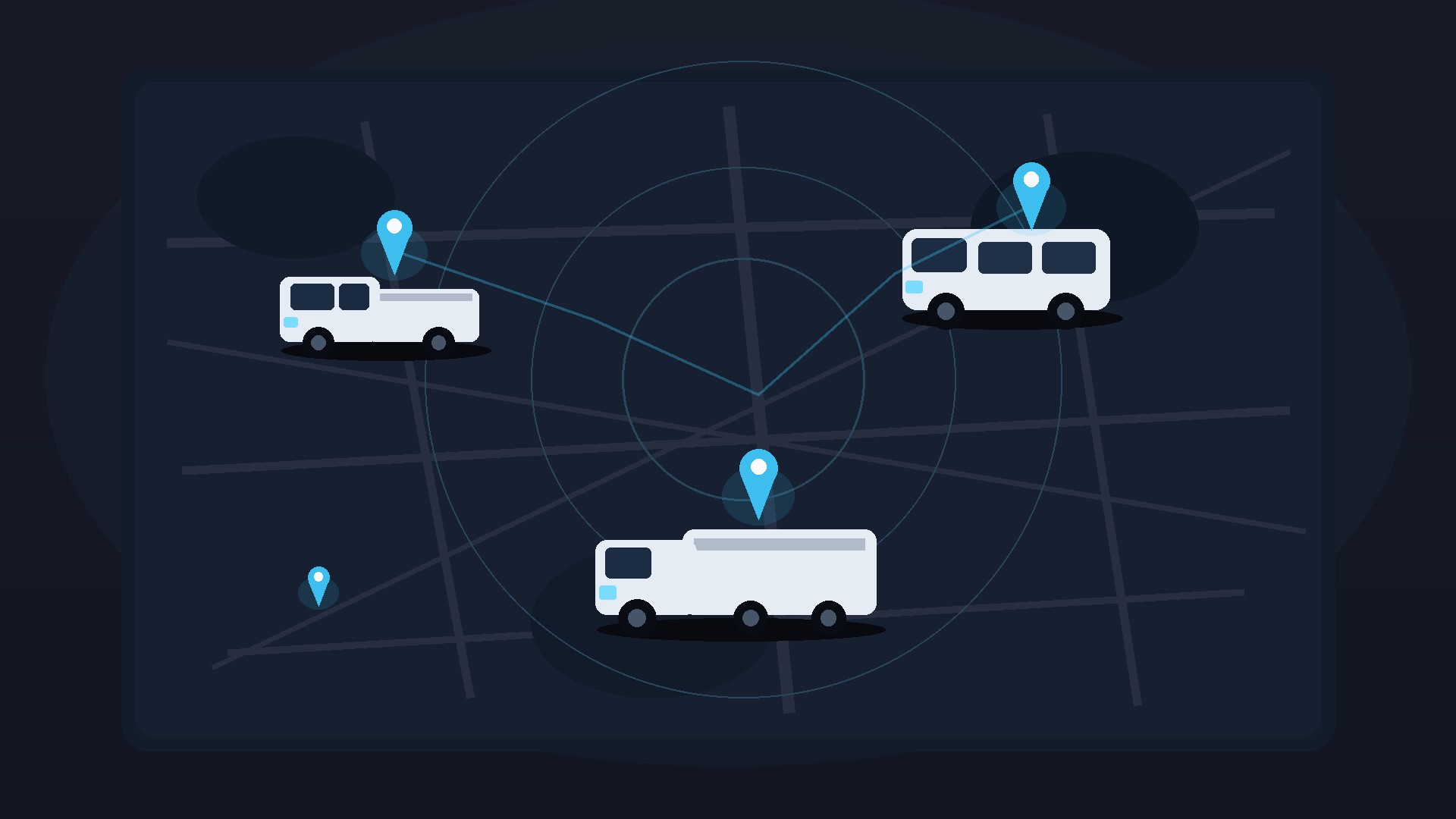
Flat illustration of a ute, van and truck on a live map with cyan location pins. No people, logos or text.

You searched fleet tracking Australia because you have more than one work vehicle. You want one map. Live pins. Trip replay. A report you can use when a job looks off.

That is a vehicle product. It sits in the ute, the van or the truck. It is not a tool for watching a person.

EZY GPS does that job for Australian fleets that want the map without a bloated platform. Fleets usually hardwire the unit. An OBD plug-in is still fine for a mixed fleet or a trial vehicle. Same dashboard. Same 10-second updates. Different fit.

This page is the compare and the how-to. The buy page is fleet tracking Australia. Get a multi-vehicle quote there, or call 1300 399 477.

What fleet tracking Australia actually shows

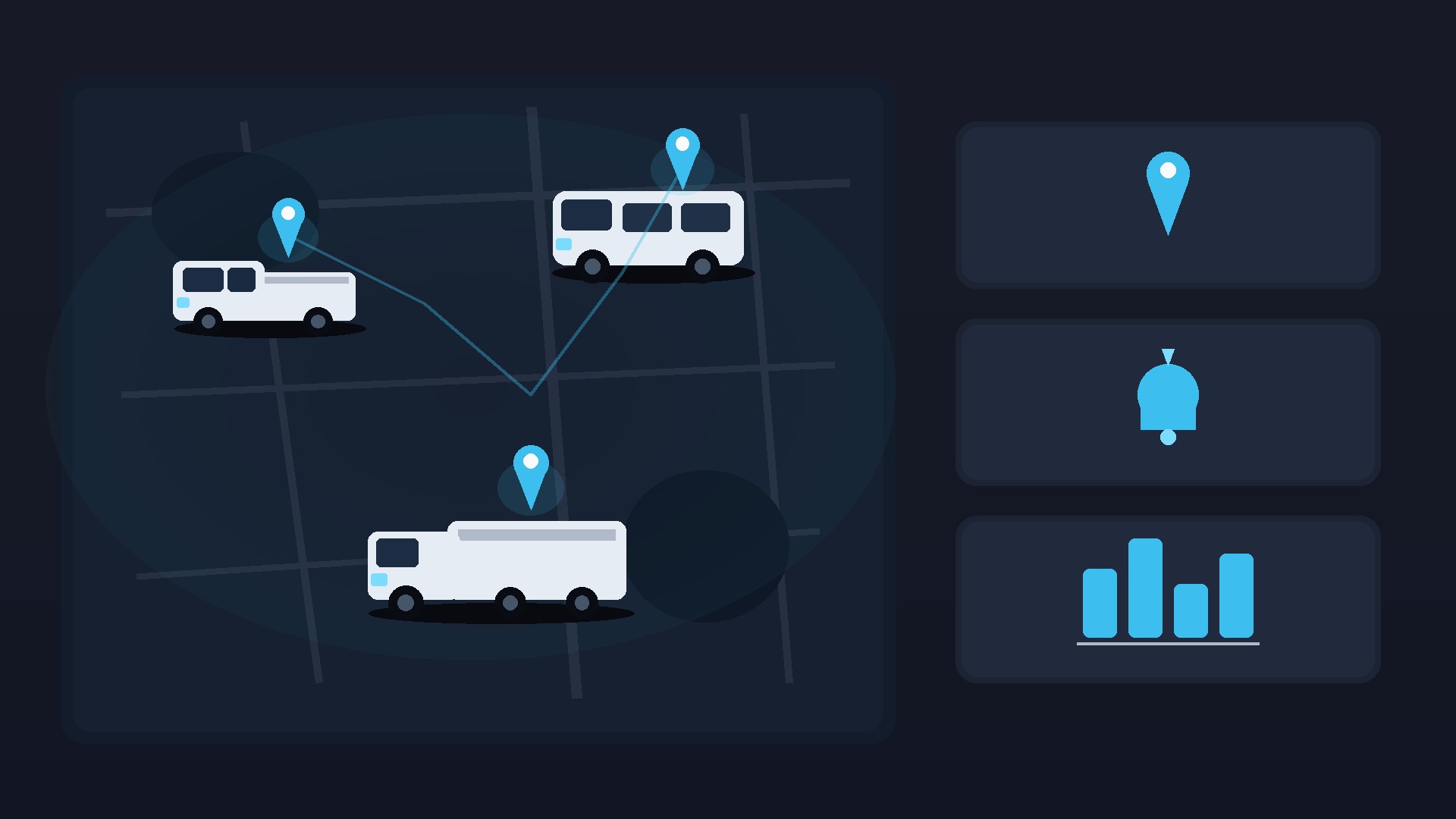
Fleet tracking Australia is one dashboard for every ute, van and truck. You open the app or the web. You see live locations. You replay trips. You set geofences. You get after-hours alerts. You pull a call-ready report when something looks off.

On that one map you also get mileage and idle time. That is the published list on the live lander. App and web. Same product if you have one ute or a small fleet — more logins, more pins.

The SIM is included on major Australian networks. If vehicles run regional or remote, ask which network first. Call 1300 399 477 before you order if coverage is the open question.

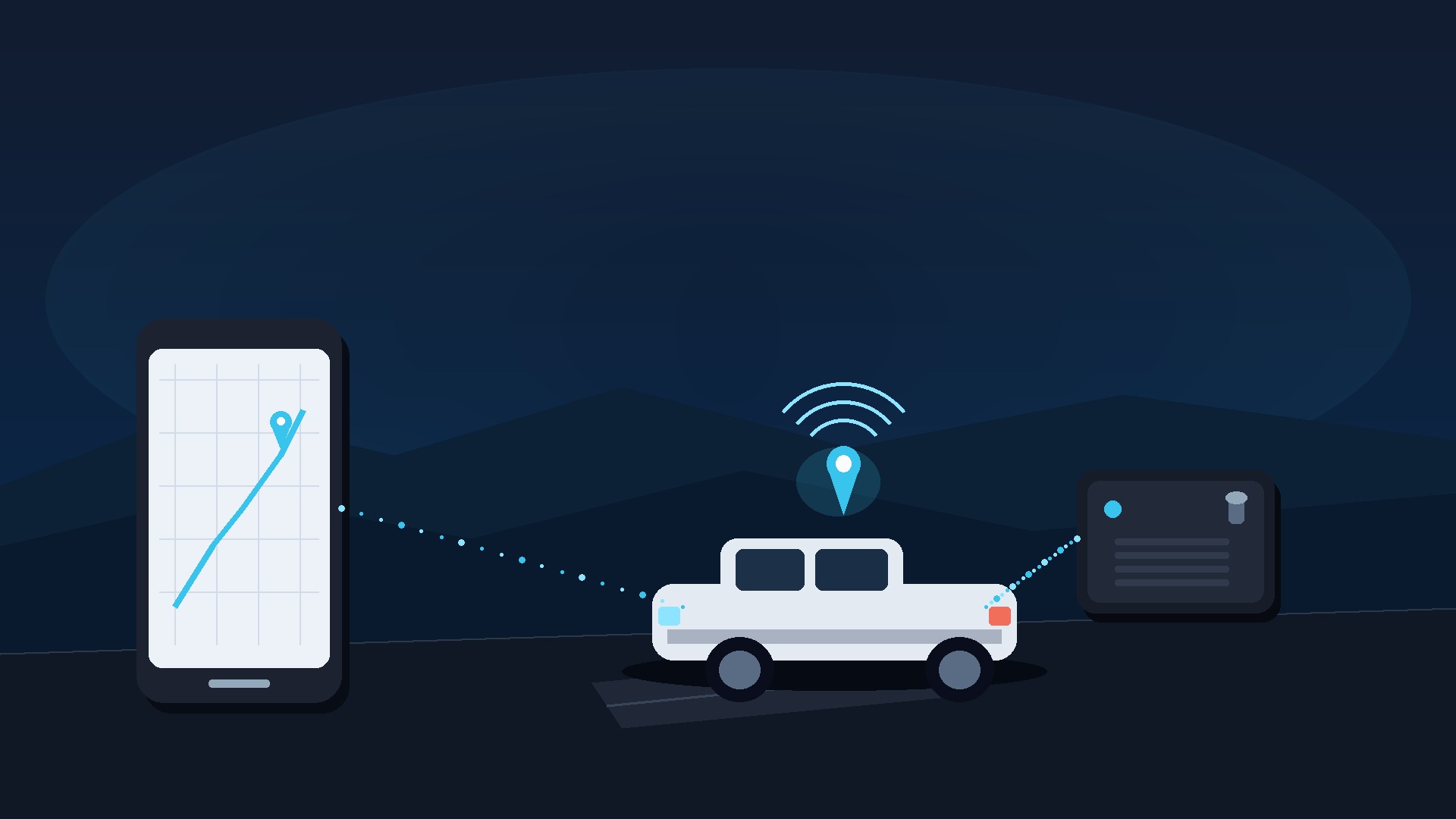
A useful fleet setup has to stay on when the ignition is off, and keep a short backup if the feed is cut. It has to update often enough that you can watch a vehicle leave a yard, not just see last night’s pin. And you need an Australian number if a pin stays blank. EZY GPS is on 1300 399 477 and sales@ezygps.com.au.

Hardwired first. OBD for a trial or a mixed fleet

You are not choosing a third mystery box. You are choosing how the unit is fitted in each vehicle.

Both EZY GPS units report about every 10 seconds. Both open the same app on iOS, Android and the web. Both include the device with the plan. The split is install, how easy the unit is to move, and how well it stays put if someone tries to pull it.

Hardwired tracker — hidden, stays in the vehicle

The hardwired tracker is the usual fleet install. The unit sits hidden. It is harder to unplug. It can send a power-loss alert. That is why the live lander points fleets here first.

An installer hides it in the dash — behind a panel, behind the glove box, or in the centre console. Professional installation by an auto electrician is recommended. The device connects to the vehicle’s electrical system. EZY GPS can point you at an installer. You pay that person separately. Do not invent a workshop price from this article.

The hardwired unit is specified at 9–90V, so a 12-volt ute or van and a 24-volt truck circuit are both in range. Size is 82 × 30.5 × 14.8 mm. Weight is 38 g. Location accuracy is listed at 5 m or better. Location upload is every 10 seconds.

A 300 mAh backup battery keeps it reporting if the vehicle’s power is cut. The product overview puts that at up to about two hours. Alerts include cut-wire, vibration, low battery, overspeed and ignition (ACC) on or off.

Four wires: red (constant power), black (ground), orange (ignition), and yellow (immobiliser trigger, only if that option is being fitted).

An optional immobiliser is a hardwired / fleet extra only. It is not on the OBD unit. It is not a promise for every install. When it is fitted, it interrupts the starter motor circuit so the vehicle will not start. It must not be wired into the ECU, CANBUS, fuel pump or safety systems. Treat it as optional. Talk it through with the installer.

OBD plug-in — portable for a small fleet

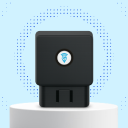
The OBD plug-in tracker is the portable option for a small fleet, a mixed fleet, or a trial vehicle. It plugs into the diagnostic port. No tools. No wiring. Most customers are up and running in under one minute.

On a right-hand-drive ute or van the port is usually under the driver’s dash, near the steering column. The OBD page puts compatibility at petrol vehicles from about 2000 and diesel from about 2004. Voltage from the port is 9–35V. Size is 58 × 45 × 22 mm. Weight is 56 g.

You can move it. Ignition off, unplug, plug into another compatible vehicle. No reconfiguration. That is why it suits a trial vehicle, a spare ute, or a 1–5 vehicle shop that wants the map today before it hardwires the rest.

The OBD unit has an internal backup battery. If it is unplugged, it keeps transmitting for a short period, then reconnects when power is back. An OBD2 extension cable is $20 if the port is deep and you want the dongle tucked back. It is still a plug-in you can move. Choose hardwired when concealment is the job.

Which install for which vehicle

Match the install to the vehicle. Do not match it to a person.

  • Trade ute or service van that stays in the fleet: hardwired. Hidden. Harder to unplug. Power-loss alert.
  • Truck or heavy vehicle on 12V or 24V: hardwired. 9–90V range. Optional immobiliser only if the installer agrees it is safe on that vehicle.
  • Hire or rental vehicle: hardwired. After-hours and geofence alerts on the same dashboard.
  • Trial vehicle, spare ute, or a mixed fleet you want on the map today: OBD. Minutes. You can pull it later.
  • Small fleet, 1–5 compatible light vehicles, you might swap units: OBD to start. Hardwire the ones that stay.
  • No usable OBD port, or the port is already used: hardwired.

That is the whole compare. Hidden versus portable. Stays in one vehicle versus moves to the next compatible port. Fleet default versus trial. Do not pick OBD because a listing called it “no install cost” if concealment is the job. Hidden is a hardwired job. OBD is the fast, portable install.

Reports you will actually open

The live lander is blunt about this. The reports people actually use are mileage, speed, idle time and trip export. EZY GPS does not invent fuel-savings percentages. Neither does this article.

Trip history is stored for 12 months, with CSV export, as published on pricing. That is the record you pull when a job, a customer or an insurer asks where the vehicle was.

Geofences mark a yard, a depot or a job site. After-hours alerts fire when a vehicle moves outside the window you set. Overspeed and power-loss sit on the same alert list. You use those on the vehicle, not as a story about a person.

Trades and field crews use the one map for every ute and van. Service businesses use the call-ready report when a job looks off. Hire and rental fleets use after-hours and geofence alerts. Logistics and delivery teams replay trips and check mileage. Same product. More pins.

What you pay — device included, fleet rate quoted

The box is not an extra. Published plans include the tracker, the SIM, app access and support. Do not read “$50 a year” as the hardware bill. That figure is the 5-year Optus path, equivalent rate, with the device included.

Figures below are from the live pricing page and the product plan tables on 26 August 2026. If this article and the live page disagree later, trust the live page.

Optus

  • 5-year: $250 one-time ($50 a year equivalent). Device included.
  • 1-year: $120 per year. Device included. The pricing page also writes this as $120 + GST per device.
  • Month-to-month: $10 per month, plus a $60 device / setup line. Device included.

Telstra

  • 5-year: $800 one-time ($160 a year equivalent). Device included.
  • 1-year: $230 per year. Device included.
  • Month-to-month: $22 per month, plus a $60 device / setup line. Device included.

Month, year and a longer option exist. Optus is the metro and suburban default on the product pages. Telstra is the wider-coverage option for regional and remote roads. Shipping is $15 per order, free on six or more devices. A 12-month warranty is included.

Published plans sit on pricing. Fleet rates are quoted, not guessed here. EZY GPS will not invent a discount rate. For more than one vehicle, ask for a multi-vehicle quote via contact, 1300 399 477, or sales@ezygps.com.au.

Get a multi-vehicle quote on the lander

You do not need twenty SKUs. You need one map for every work vehicle, fitted the way that vehicle needs, on a published plan that includes the device.

The buy page is Fleet tracking Australia — live GPS for work vehicles. That is the order and quote path. This page is the compare.

Hardwire the vehicles that stay. Plug in a trial vehicle if you want the map today. Then open the lander and ask for the quote.

Share on: