

Caravan GPS Tracker Australia: How to Choose

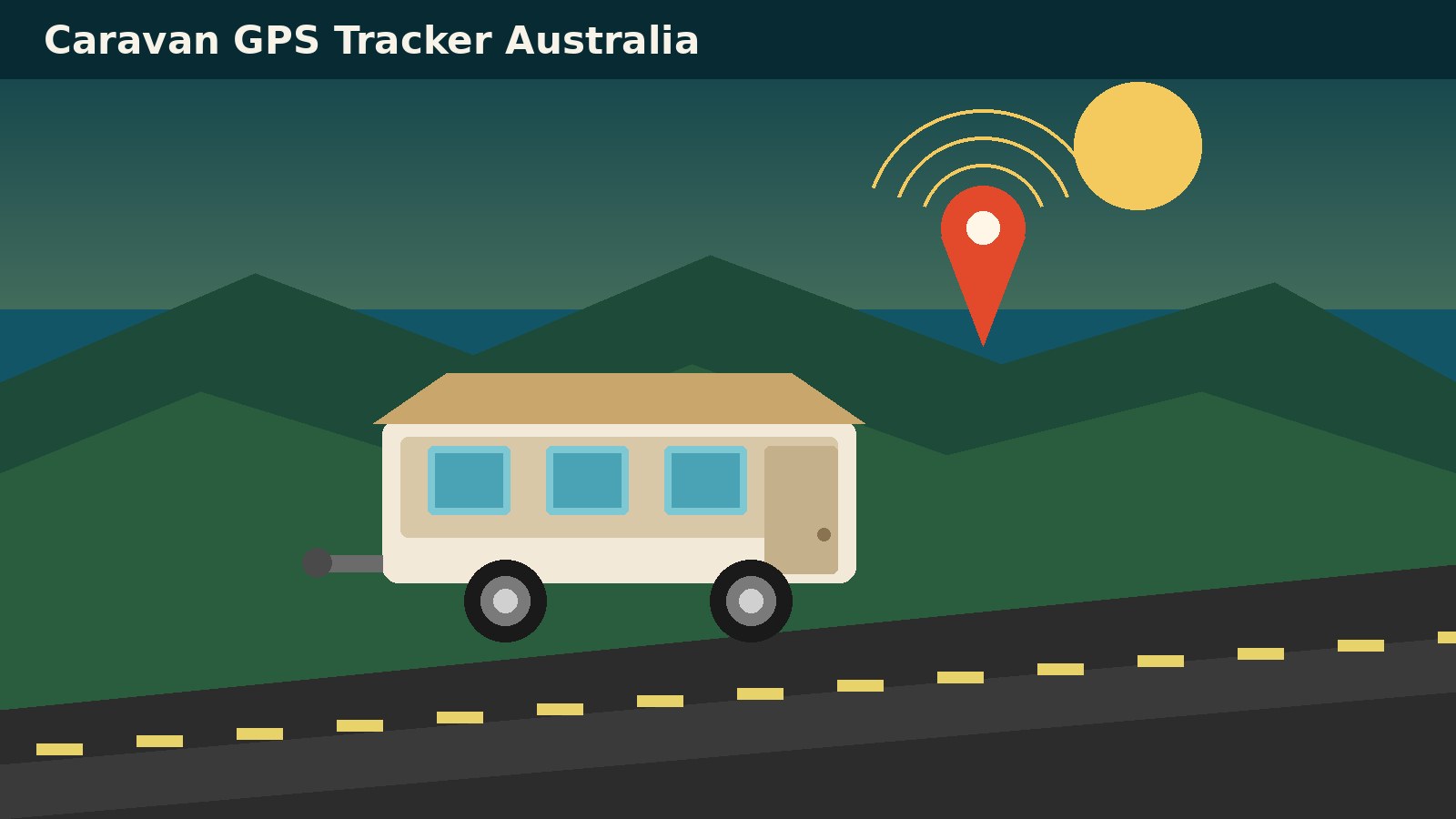
A caravan GPS tracker is not the same product as a plug-in car tracker. Caravans sit unattended at parks, storage yards and roadside rest stops. They have a 12-volt electrical system, not an OBD-II port. If you want to know where the van is — and get an alert if it moves — you need a tracker built for that setup, not a device designed for a daily driver.
This guide explains how a caravan GPS tracker works in Australia, what to check before you buy, why a hardwired unit is usually the right fit, and how the same approach applies to trailers and other towables. It is written for owners and small operators, not for a sales pitch.
Why a caravan GPS tracker is different from a car tracker
Most “best GPS tracker” articles assume you are tracking a car. That leads people toward OBD plug-in devices. Those are excellent in a ute or sedan: you locate the port, plug in, and the app shows live location. A caravan is a different job.
A caravan typically:
- Has no OBD-II diagnostic port
- Runs a 12-volt house battery, Anderson plug or trailer connector
- Sits still for days or weeks, then travels long distances
- Is a high-value target when left in storage or at a remote campsite
- Needs a hidden install so a thief cannot simply unplug the unit
That is why a hardwired GPS tracker is the practical option for most vans. It connects to the caravan’s power, sits out of sight, and keeps sending location while you are elsewhere.
If you also want to track the tow vehicle, an OBD plug-in tracker on the car or ute is a separate decision. See OBD vs hardwired GPS for the comparison.
What to look for in a caravan GPS tracker
Ignore feature lists that read like a brochure. Four things decide whether a tracker is useful on an Australian caravan.
Power that lasts on a 12-volt system
The tracker has to run from the van’s electrical system without flattening the house battery. A hardwired unit that accepts a wide voltage range (EZY GPS hardwired units are specified at 9–90V) will work on a typical 12-volt caravan circuit. Professional installation matters here: the installer should pick a fused, constant-power feed and a clean earth, not a random wire behind a cupboard.
A short backup battery is useful if someone cuts the power — not a substitute for a proper connection. EZY GPS hardwired devices include a small rechargeable backup (300 mAh, up to about two hours).
Live updates, not a once-an-hour ping
A caravan that is being towed away does not wait for a 15-minute refresh. Live tracking with a 10-second update rate is the difference between seeing a van still on site and watching it move in near real time. EZY GPS devices send location updates every 10 seconds once they are online.
You also want:
- Geofence alerts when the van leaves a storage yard, driveway or booked site
- Vibration or movement alerts if it is bumped or hitched without you
- Power-loss or cut-wire alerts if someone disconnects the tracker
- Trip history you can replay after the fact
Australian networks and real support
Coverage on the east-coast highway is not the same as coverage on the Nullarbor or a Cape York detour. EZY GPS plans run on major Australian networks, with Optus suited to metro and many regional routes, and Telstra as the wider-coverage option for remote travel. Every device is supplied with a SIM. If you are unsure which network matches your usual routes, call Australian support on 1300 399 477 before you order.
Pricing you can plan around
Check whether the hardware is included with the plan, whether you can prepay, and whether there is a lock-in contract.
On the live EZY GPS pricing page, subscription includes the hardware. Plans start from $50/year on the 5-year prepaid Optus option ($250 one-time, equivalent to $50 a year). A one-year Optus plan is $120/year. Month-to-month starts at $60 for the device plus $10/month on Optus, or $22/month on Telstra. GST applies as shown at checkout. Shipping is $15 per order, free on six or more devices. Those figures are from the live product and pricing pages — confirm them before you buy, because specials change.
Hardwired vs plug-in for a caravan
A plug-in OBD tracker is the wrong tool for the van itself. There is nowhere standard to plug it in, and a visible dongle is easy to remove. Keep OBD for the tow vehicle if you want a two-minute install there.
A hardwired tracker is the right tool for the caravan because it is:
- Hidden behind a panel or in a locker
- Powered from the van, so it stays online when parked
- Harder to find and disconnect than a magnetic puck sitting on a chassis rail
- Able to send cut-wire and power-loss alerts
Remote engine cut-off is a vehicle feature, not a caravan feature. On a van you care about location, movement, geofences and power alerts. Do not buy a tracker because the brochure lists immobilisation if you are only protecting a caravan.
Trailers, boat trailers and other towables
The same rules apply to a box trailer, plant trailer or boat trailer, with one extra constraint: many trailers have little or no house battery. If the trailer has a 12-volt feed from the tow plug or a dedicated battery, a hardwired tracker can be installed the same way as on a caravan. If it is an unpowered trailer that sits in a yard for weeks, say so when you speak to support — a standard hardwired unit still needs a power source.
What people usually want from trailer tracking is simple: confirm it is still at the depot, and get an alert if it moves after hours. Geofences and movement alerts do that job.
How EZY GPS tracking works on a caravan
Once the hardwired tracker is installed and activated, you open the EZY GPS app (iOS, Android or web) and see the van on the map. Location updates every 10 seconds. You can replay trips, set geofences around home, storage and favourite parks, and turn on alerts for vibration, tamper and power disconnect.
That is enough for most owners:
- Storage yard: geofence the pad. If the van leaves, your phone tells you.
- On the road: check the van is still hitched where you left it at a roadhouse.
- At camp: confirm it has not been moved overnight.
- After a theft: share a live location with police rather than guessing a last-seen suburb.
Hardware is included with the subscription. There is no separate “buy the box, then rent the SIM” surprise on the plans published on the site. Australian support is on 1300 399 477 if the unit does not come online after install.
Installation: what actually happens
EZY GPS recommends a professional installer or auto electrician for hardwired units. That is the same advice as on the product page, and it is the right one for a caravan. A messy install on a van can flatten a house battery or leave the tracker where the first person with a torch can find it.
A typical install looks like this:
- Pick a concealed location with a view of the sky through the roof — behind an interior panel, in a locker, or inside a cupboard — not in a metal box that blocks GPS.
- Connect constant power (fused), earth, and ignition/ACC if the van has a switched circuit you want to use for status.
- Confirm LEDs show power and network.
- Log in to the app and check the van appears, then walk the van 20 metres and confirm the pin moves.
- Set your first geofence before you leave the workshop.
A trusted caravan electrician can do this, or EZY GPS can point you to verified install partners. Do not splice into brake or safety circuits.
Choosing a plan
Match the plan to how you travel, not to a discount sticker.
- Mostly metro and well-covered highways: Optus is the value network on the published plans.
- Regular remote or far-north travel: Telstra is the wider-coverage option.
- One van, set and forget: the 5-year prepaid plan removes monthly fees for that period. The Optus 5-year option is the $50/year equivalent on the current product pages.
- Trying tracking for a season: month-to-month or a one-year plan keeps the commitment short.
Full current figures, GST and shipping sit on the pricing page and on the hardwired tracker page. If you are fitting more than one van or a mix of vans and vehicles, ask about fleet pricing rather than guessing a bulk rate.
Frequently asked questions
Can I use an OBD GPS tracker in a caravan?
No. A caravan does not have a standard OBD-II port. Use a hardwired tracker on the van. Use OBD on the tow vehicle if you want a plug-in there.
Will a caravan GPS tracker drain the house battery?
A correctly wired unit on a fused constant feed draws a small current. A poor earth or an unfused tap is a bigger risk than the tracker itself. Ask the installer to measure draw after fitment if the van sits for long periods.
Does a caravan GPS tracker work when the van is unhitched?
Yes, if it has its own power from the van. That is the point of hardwiring it to the caravan rather than relying on the tow vehicle.
Can I track a trailer the same way?
Yes, if the trailer has a usable 12-volt supply. Unpowered trailers need a power solution first. Talk to support before you order if the trailer has no battery.
Is there a plan with no monthly fee?
EZY GPS offers a 5-year prepaid option. You pay upfront for five years of SIM data with the device included. After that period you would need a new plan. Check the live pricing page for the current prepaid figure.
Next step
If you want a caravan GPS tracker that is simple, prepaid-friendly and backed by Australian support, start with the hardwired unit and the plan that matches your coverage. Compare devices and current prices on the EZY GPS pricing page, or open the hardwired tracker product page to choose Optus or Telstra and a 1-year or 5-year term.
Questions about a specific van, a trailer with no battery, or a multi-vehicle setup: call 1300 399 477. That is faster than guessing the wiring from a product photo.


Continue researching
Useful EZY GPS product and setup resources
Compare tracker types, review plan pricing and follow practical installation guidance after reading an EZY GPS article.