Vehicle GPS Tracking
OBD GPS Trackers
Hardwired GPS Trackers

Vehicle GPS Tracker Australia: OBD or Hardwired?

Daniel Brunes
Aug 26, 2026
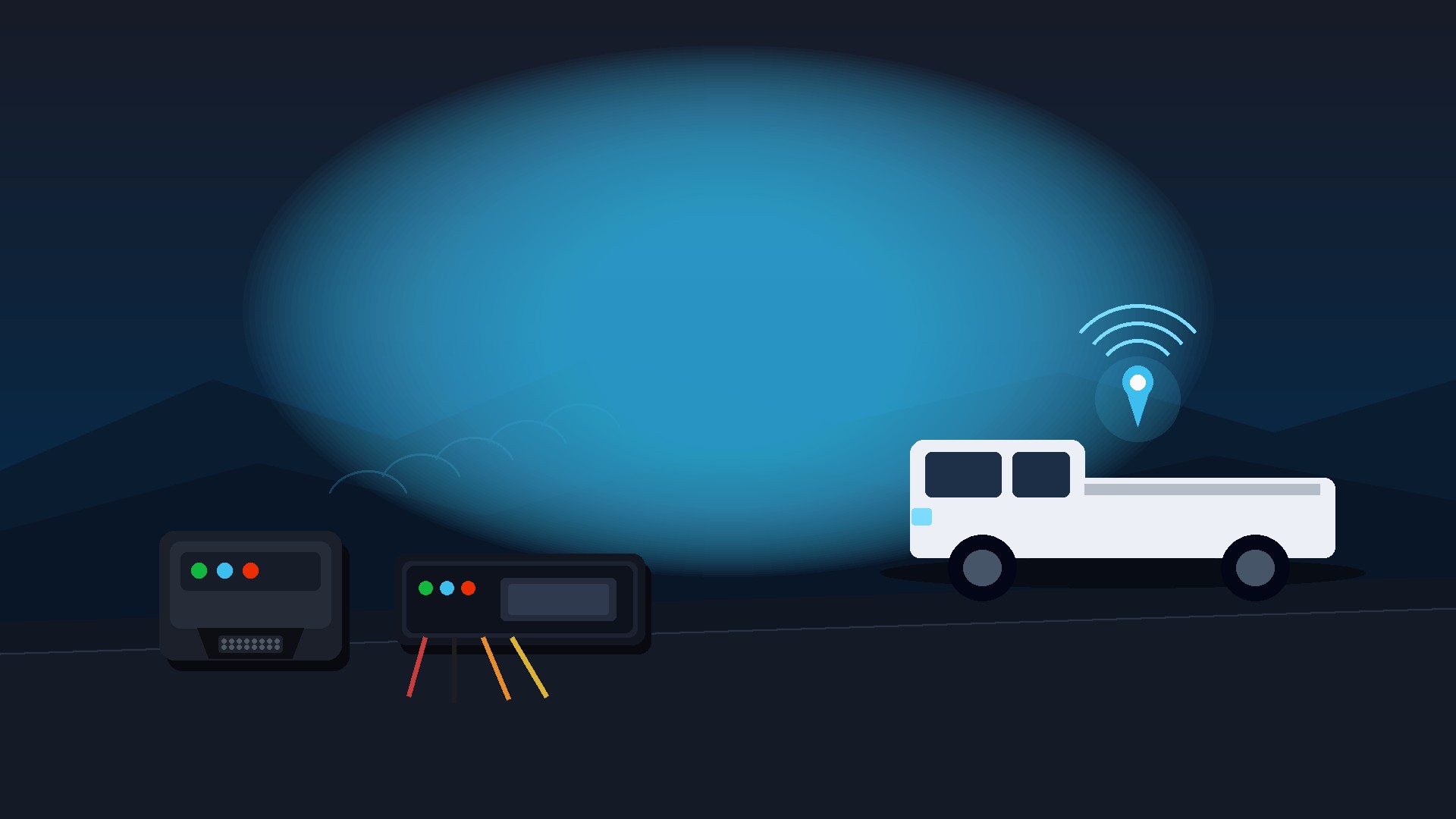
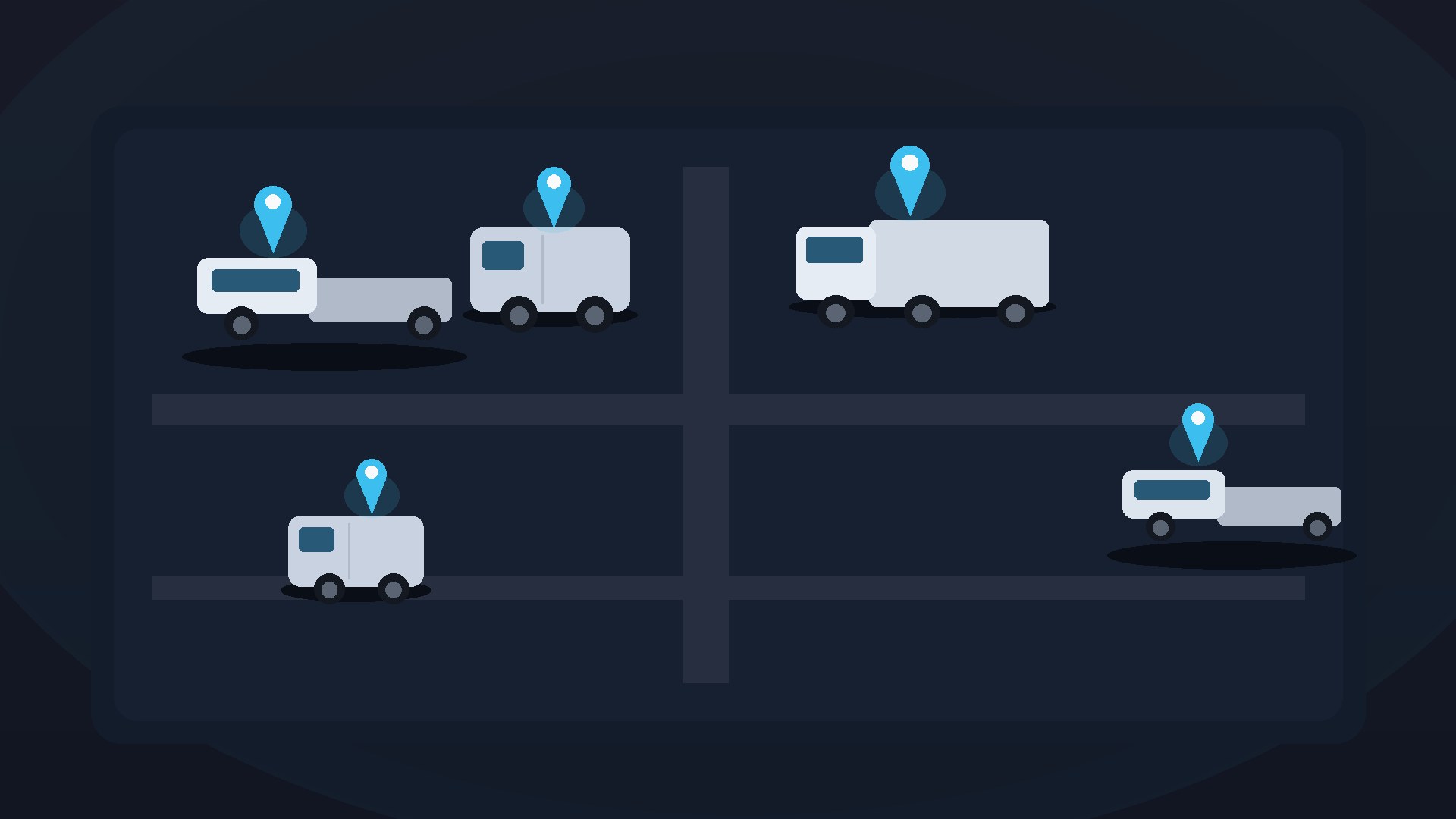
Flat illustration of an OBD plug-in unit and a slim hardwired GPS unit beside a white Australian ute, with a cyan location pin. No people, logos or text.

You searched vehicle GPS tracker because you want one job done. See where the car, ute or van is. See where it has been. Get a ping when it moves.

That is a vehicle product. It sits in a vehicle you own or manage. It is not a tool for watching a person.

In Australia, EZY GPS sells that product two ways. An OBD GPS plug-in you fit yourself. Or a hardwired GPS tracker an installer hides in the dash. Same live map. Same 10-second updates. Different install.

This article tells you what a vehicle GPS tracker is, and which install fits a vehicle you own. When you are ready to buy, go to the vehicle GPS tracker lander. That page is the order path. This page is the compare.

What a vehicle GPS tracker actually does

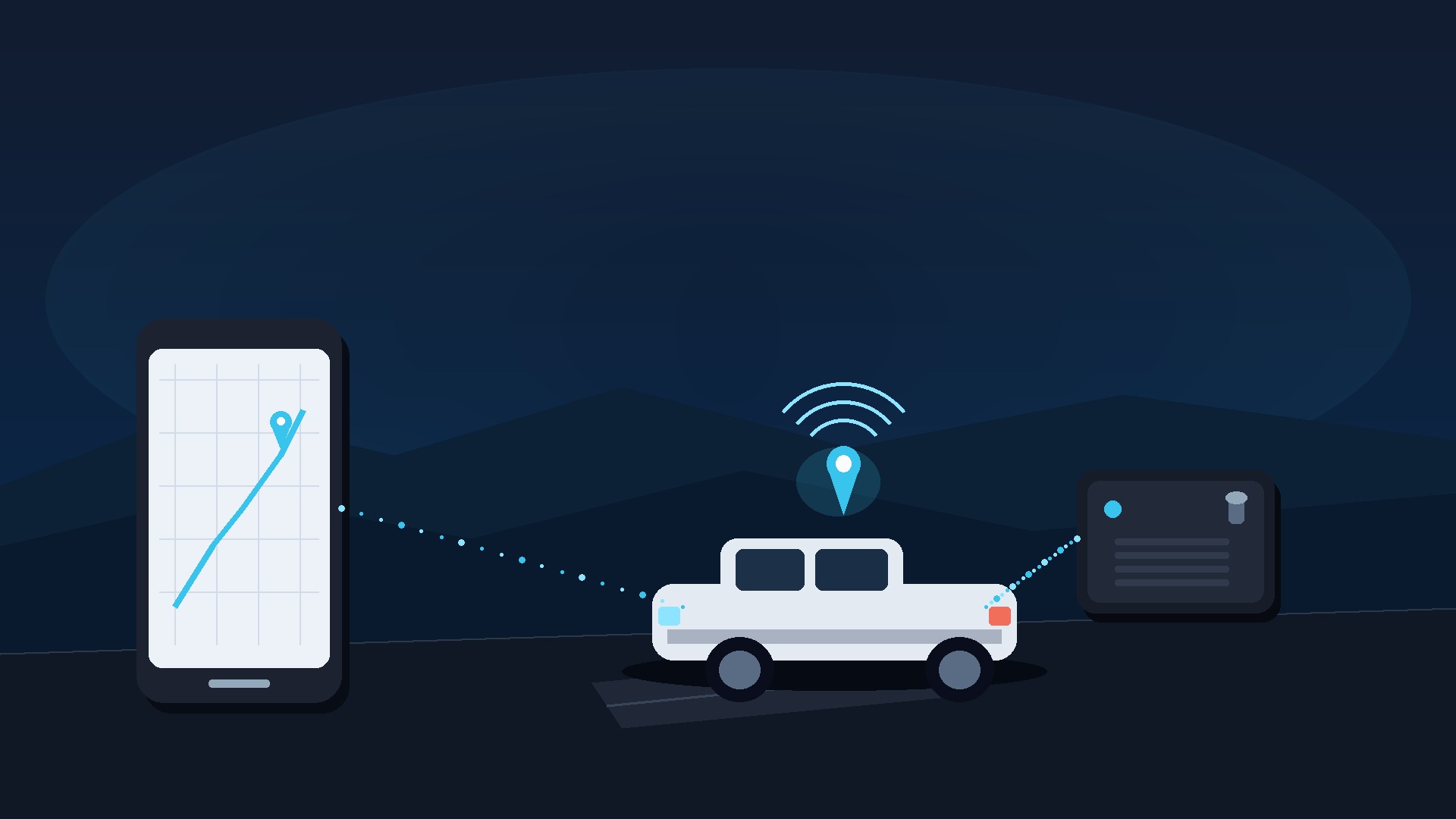
A vehicle GPS tracker is a small 4G unit that stays powered in the vehicle. Satellites give it a position. The SIM sends that position to an app you open on a phone or a desktop. You look at the vehicle. Not a person.

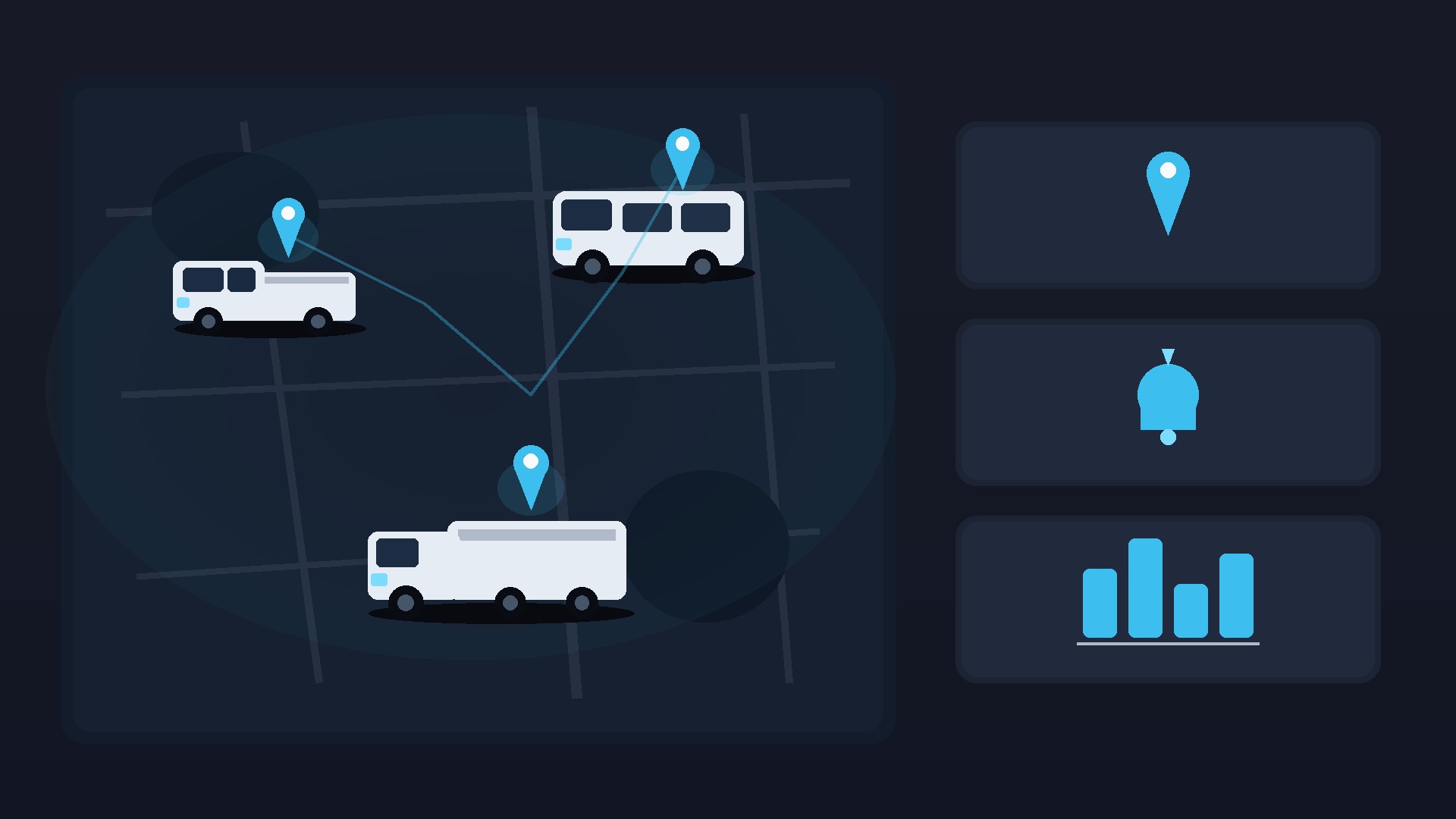
On the EZY GPS live map you see the vehicle about every 10 seconds. You can replay trips. You can set geofences for home, work or a job site. You get alerts if the vehicle moves, or if power is lost. That is the job.

Both EZY GPS units do that once they are on the network. The SIM is included. Coverage is on major Australian networks. If the vehicle travels remote, ask which network first. Call 1300 399 477 if coverage is the worry.

A useful tracker also has to stay on when the ignition is off, and keep a short backup if someone cuts the feed. It has to update often enough that you can watch the vehicle leave, not just see last night’s pin. And you need an Australian number if the pin stays blank. EZY GPS is on 1300 399 477 and sales@ezygps.com.au.

Use it on a vehicle you own or are authorised to fit. Tell the people who drive it that a tracker is in the vehicle. Do not buy one to follow someone who has not agreed to it.

Two installs. Same map.

EZY GPS has two hardware options for a vehicle GPS tracker Australia buyer. You are not choosing a third mystery box. You are choosing how the unit is fitted.

Both report about every 10 seconds. Both open the same app on iOS, Android and the web. Both include the device with the plan. The split is install, how easy the unit is to move, and how well it stays put if someone tries to pull it.

OBD GPS — plug it in today

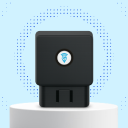
The OBD plug-in tracker goes in the diagnostic port. On a right-hand-drive car or ute that is usually under the driver’s dash, near the steering column. Most Australian light vehicles from the mid-2000s have one. The OBD page puts that at petrol vehicles from about 2000 and diesel from about 2004.

There are no tools. You plug it in, wait for the LEDs, and open the app. You can move it: ignition off, unplug, plug into another compatible vehicle. That is why it suits a tradie who swaps utes, a small fleet, or a car you will sell later. Pull it out when you sell.

The OBD unit draws 9–35V from the port. It has a small internal backup battery, so a short unplug still reports for a short period. You can add an OBD extension cable if the port is deep, and tuck the dongle back. It is still a plug-in you can move. Choose hardwired when concealment is the job.

Start here if the vehicle is a daily driver you control, you want it on the map today, and you might move the same unit later.

Hardwired GPS tracker — hidden

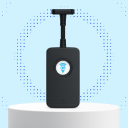
The hardwired tracker is wired into the vehicle and sits out of sight. An installer hides it in the dash — behind a panel, behind the glove box, or in the centre console. It is harder to spot or unplug. That is why it is the better pick for theft risk, a work vehicle, or keys you do not hold every day.

Professional installation is recommended. Some people install it themselves. An auto electrician is the recommended path. You pay that person separately. EZY GPS can point you at an installer. Do not invent a workshop price from this article. Ask the electrician.

The hardwired unit is specified at 9–90V, so a 12-volt car or ute and a 24-volt truck circuit are both in range. A 300 mAh backup battery keeps it reporting for up to about two hours if the feed is cut. Alerts include power loss, cut-wire and vibration. Location upload is every 10 seconds.

An optional immobiliser is a hardwired / fleet extra only. It is not on the OBD unit. It is not a promise for every install. When it is fitted, it interrupts the starter motor circuit. It must not be wired into the ECU, CANBUS, fuel pump or safety systems. Treat it as optional. Talk it through with the installer.

Start here if the vehicle sits on the street or in a yard, you want the unit hidden, there is no usable OBD port, or you want that optional immobiliser discussed.

Which one for a vehicle you own

Match the install to the vehicle. Do not match it to a person.

  • Daily driver or shared car you control: OBD. Minutes. No tools. You can pull it when you sell.
  • Trade ute or small fleet you move between jobs: OBD. Same unit, next compatible vehicle.
  • Street-parked, yard, job site, or unknown drivers: hardwired. Hidden. Harder to unplug.
  • No OBD port, or the port is already used: hardwired.
  • Optional immobiliser: hardwired only, and only if the installer agrees it is safe on that vehicle.

That is the whole compare. Fast plug-in versus a hidden install. Easy to move versus stays in one vehicle. Daily driver versus theft and work use. Do not pick hardwired because a listing called OBD “not hidden”. Hidden is a hardwired job. OBD is the fast install.

If you are still matching prepaid versus monthly, or metro versus remote coverage first, the live chooser is GPS Tracker Australia: How to Choose. Come back here, then buy on the lander, once the install is the open question.

What you pay — the device is included

The box is not an extra. Every EZY GPS plan includes the tracker, the SIM, app access and support. Do not read “$50 a year” as the hardware bill. That figure is the 5-year Optus path, equivalent rate, with the device included.

Figures below are from the live pricing and products pages on 26 August 2026. If this article and the live page disagree later, trust the live page.

Optus / Vodafone

  • 5-year: $250 + GST total ($50 a year equivalent). One-time upfront. Device included. No setup fee.
  • 1-year: $120 + GST per device per year. Annual renewal. Device included. No setup fee.
  • Month-to-month: $10 + GST per month, plus a $60 setup fee. Device included. Cancel anytime.

Telstra

  • 5-year: $800 + GST total ($160 a year equivalent). Device included. No setup fee.
  • 1-year: $230 + GST per year. Device included. No setup fee.
  • Month-to-month: $22 + GST per month, plus a $60 setup fee. Device included.

The annual plan at $120 + GST is the simple 12-month path. The 5-year Optus path is the lowest equivalent rate if you already know you will keep tracking. Telstra is the wider-coverage option for regional and remote roads. Optus / Vodafone is the metro and suburban default. Shipping is $15 per order, free on six or more devices. A 12-month warranty is included.

More than a couple of vehicles: contact EZY GPS or call 1300 399 477 rather than guessing a fleet rate.

Buy it on the vehicle GPS tracker lander

You do not need twenty SKUs. You need one vehicle GPS tracker in a vehicle you own, fitted the way that vehicle needs, on a plan that includes the device.

The buy page is Vehicle GPS tracker for Australian cars, utes and vans. Compare both units there, then order. Use the product pages if you want the spec sheet first.

Pick OBD if you want it in today. Pick hardwired if you want it hidden. Then open the lander and order.

Share on: