
Car Tracking Device Australia: Professional vs Cheap Gadgets

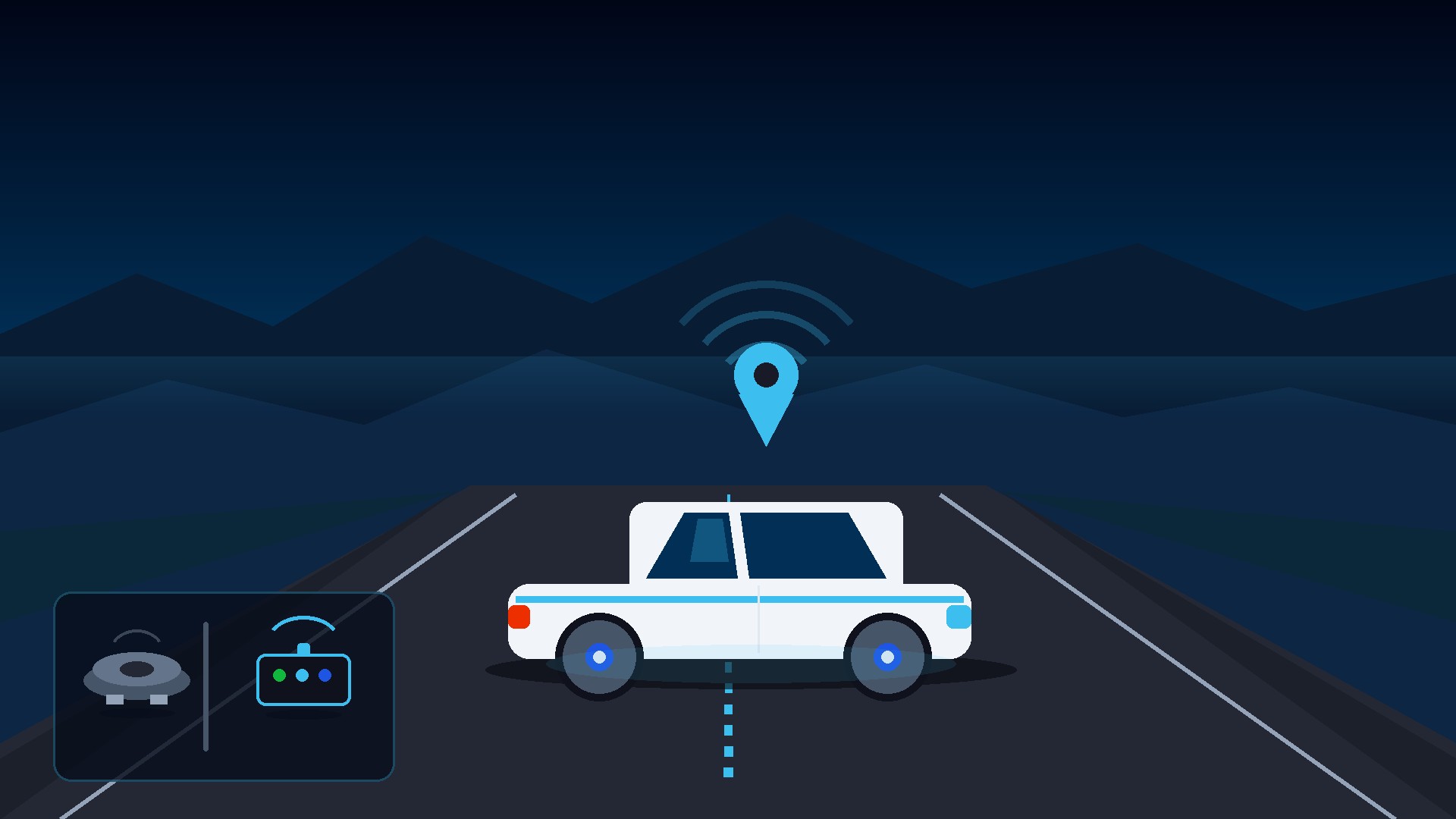
Search car tracking device in Australia and two products sit in the same results. One is a cheap magnetic gadget sold as a spy tool. The other is a professional unit on a local plan, with a SIM, an app, and someone you can call.
They are not the same purchase. This is not another “best tracker” list — that already exists at Best GPS Tracker for Cars in Australia. This page is about the device itself: what people mean by the phrase, why the typical $30-style magnetic unit fails here, and when a professional plug-in or hardwired device is the right buy.
What people mean by “car tracking device”
When someone types “car tracking device” they are rarely hunting for a brand name. They want a box that sits in a vehicle and answers one question: where is it right now.
In practice that search covers three different products:
- A cheap magnetic or “spy” gadget — usually battery-only, stuck under a bumper, sold as a one-off purchase with no local plan.
- A plug-in car tracker that goes into the OBD-II port.
- A hardwired unit fitted into the vehicle’s electrics.
In Australia, a gps tracker for car recovery or a daily location check needs more than a pin that updates once an hour. It needs a mobile connection that works on Australian networks, a way to stay powered, an app you can open on a phone or desktop, and history you can export. A gps tracker for cars used for theft recovery, a work ute, or a shared family vehicle also needs alerts when the car moves, loses power, or leaves a set area.
That is why “device” is the right word. The hardware is only half the product. The other half is the plan, the SIM, the software, and the support. Without those, you have a plastic shell and a magnet.
People also mix the phrase up with dash cams, factory telematics, and phone apps that only work while a handset is in the car. Those are different tools. A dedicated car tracking device stays with the vehicle. It should keep reporting after you walk away, and it should still report if the phone is elsewhere.
Why $30 magnetic units fail in Australia
You will see magnetic pucks advertised for about $30. Treat that figure as an example of the cheap-gadget pitch, not a survey of every listing. The price is the hook. The problems show up after the parcel arrives.
They fail here for ordinary, practical reasons:
- Power. A small internal battery is not a vehicle power source. Under a bumper in an Australian summer the cell dies faster. When it dies, the unit is a magnet, not a locator.
- Network. Many cheap units ship with no local SIM, or with a foreign SIM that does not roam in a useful way. Some expect you to buy and fit your own. If the unit cannot send data on an Australian network, the map stays empty.
- Update rate. A delayed ping is not live tracking. If the car is being driven away, a 10- or 15-minute refresh is already too late to be useful.
- Weather and road use. Magnetic mounts under a chassis collect dirt, get knocked off on ramps and speed humps, and sit in a metal cage that blocks GPS. They are easy to find and easy to throw away.
- No one to call. When the gadget goes offline there is no Australian number, no replacement path, and no history you can hand to police or an insurer.
A professional car tracking device is a different product. It is powered from the vehicle, with a short backup if power is cut. It includes a SIM and a plan. It stores trip history. And it is backed by local support. EZY GPS is on 1300 399 477 if you need to ask which unit fits a specific car.
None of that makes the cheap listing dishonest on its own. It makes it a different category. Buying a $30-style puck because it appears next to a professional unit is like buying a torch and expecting it to replace a wired security system.
Plug-in device vs hardwired device
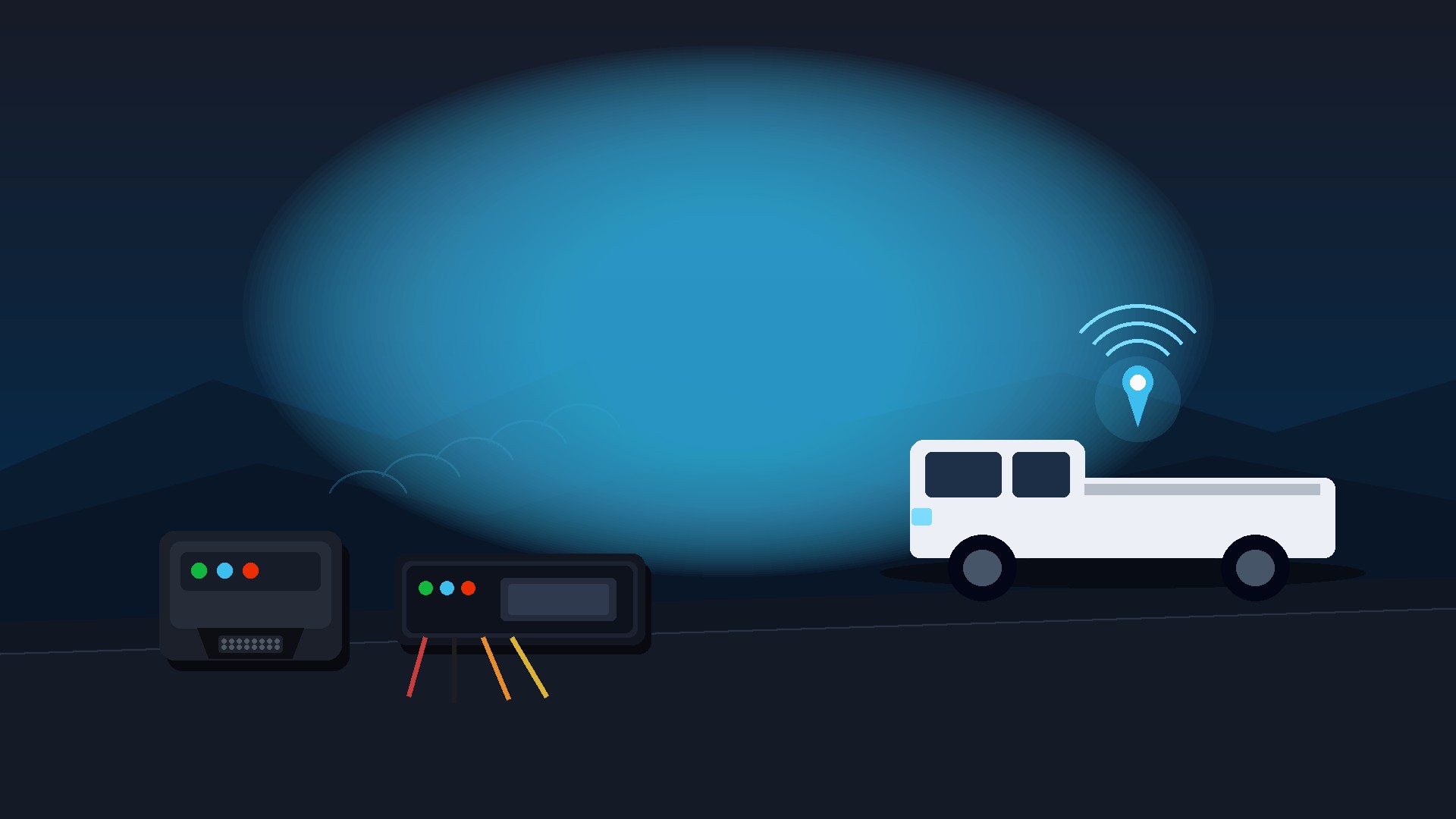
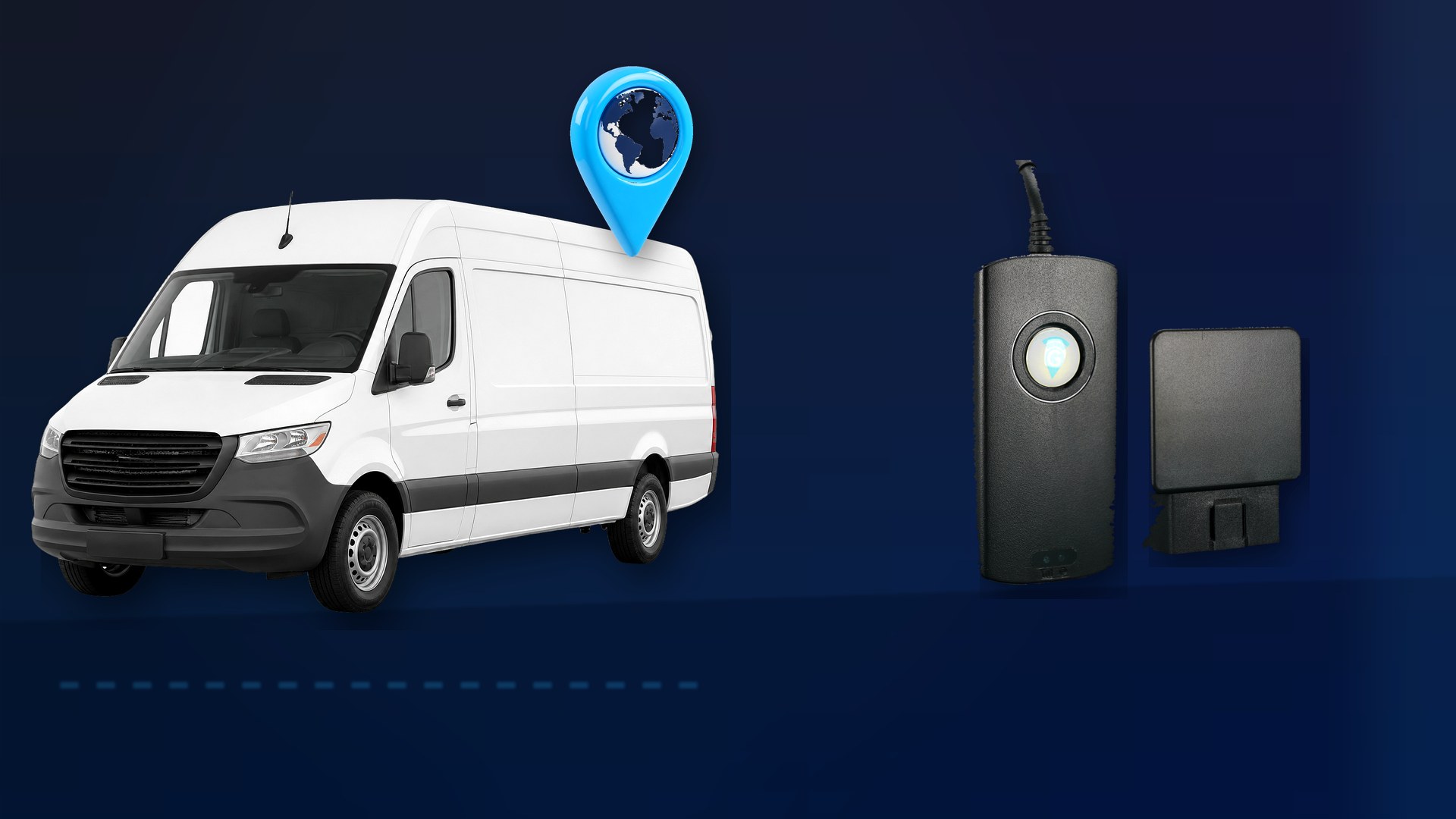
Once you have decided against a magnetic gadget, the next choice is how the device is fitted. EZY GPS sells two: a plug-in OBD unit and a hardwired unit. Both are professional devices on the same style of plan. The difference is install, concealment, and how easy the unit is to remove.
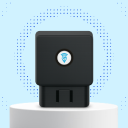
Plug-in (OBD-II). An OBD plug-in tracker goes into the diagnostic port — usually under the driver’s dash on a right-hand-drive car. Most Australian petrol cars from around 2006 onwards have one. There are no tools. You plug it in, open the app, and check the vehicle on the map. It is portable: turn the ignition off, unplug it, and move it to another compatible vehicle. The EZY GPS plug-in unit has about two hours of backup if it is unplugged or loses power. That is enough to keep sending location for a short window. It is not a hidden security install. If someone knows where the port is, they can pull the device.
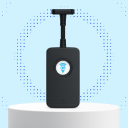
Hardwired. A hardwired tracker is fitted into the vehicle’s wiring. It is the better option when you want the unit out of sight, when the vehicle is a theft risk, or when you do not want anyone unplugging it. EZY GPS hardwired units are specified at 9V–35V, so they cover typical 12-volt cars, vans and many light commercial vehicles. An optional kill switch can be fitted if you need that extra control. Professional installation by an auto electrician is the sensible path — the product is wired into the vehicle, not clipped to it.
Neither is a “spy” product. Both are ordinary vehicle tools: live location, trip history, and alerts. Use them on vehicles you own or manage, and tell the people who drive them that a tracker is fitted. That is the clean way to run a car tracker in a family or a small business.
If you want a longer feature comparison of types and what to look for, use the existing best GPS tracker for cars in Australia article. This page stays on the device decision: gadget versus professional unit, then plug-in versus hardwired.
What you actually pay (hardware + plan)
A cheap gadget looks cheaper because the listing shows one number. A professional device shows a plan because the device is useless without data, an app, and history.
On the live EZY GPS pricing page:
- On longer plans, pricing is from $50/year on the 5-year Optus path, and the GPS tracker is included.
- The annual plan is $120 + GST per device and includes the tracker.
- Shipping is $15 per order, and free on six or more devices.
- Hardware is included with the subscription. You are not buying a box and then hunting for a SIM.
- Trip history is stored for 12 months, with CSV export if you need records for work, tax, or an incident.
That is the honest comparison. A $30-style magnetic unit plus a surprise SIM, a short-lived battery, and no support is not cheaper than a year of a working car tracker. It is a weaker product with a smaller sticker.
Confirm figures on the pricing page the day you order. Specials and fleet rates change. If you are fitting more than a couple of vehicles, contact EZY GPS or call 1300 399 477 rather than guessing a bulk price.
GST is added as shown at checkout. There is no lock-in contract on the published plans. The annual figure includes the tracker, so the first-year cost is the plan plus shipping — not a separate hardware invoice plus a monthly data bill you discover later.
If you only needed a one-week experiment, a cheap gadget can look tempting. If you need the car next month and the month after, pay for the plan. That is the part that keeps the map alive.
When a professional device is the right buy
Buy the professional unit when the car actually matters.
It is the right buy if:
- You need to find the vehicle today, not when a cheap battery next wakes up.
- The car, ute or van is a theft risk, a work vehicle, or a shared family car.
- You want 12 months of history you can replay and export as CSV.
- You want a device that stays powered from the vehicle, with a short backup if someone pulls it or cuts power.
- You want an Australian number to call when it does not come online.
Stay with a plug-in device when you want a DIY fit, a portable unit, or a quick start on a modern car. Choose hardwired when you want it hidden, when the vehicle sits on job sites, or when you want the optional kill switch professionally installed.
Skip the magnetic gadget if you are relying on it for theft, work, or anything you would later have to explain to an insurer. It is a toy-shaped product sold next to the real thing.
A professional car tracking device in Australia is the unit plus the plan plus the support. That is the product. The rest of the search results are mostly gadgets with a low sticker and no follow-through.
If you already know you want a ranked look at features, use the best GPS tracker for cars in Australia guide. If you are ready to pick a device, start on pricing, or go straight to the OBD plug-in tracker or hardwired tracker page. Questions about a specific vehicle: call 1300 399 477, or use the contact page.


Continue researching
Useful EZY GPS product and setup resources
Compare tracker types, review plan pricing and follow practical installation guidance after reading an EZY GPS article.