
GPS Tracker Australia: How to Choose (2026)

If you are looking up a GPS tracker Australia buyers actually keep, you are usually trying to do one job: see where a vehicle is, get an alert when it moves, and not get stuck on a plan you did not understand.
This page is a practical chooser for cars and utes in Australia. It is not a “best of” list and it is not a feature dump. It covers what that search usually means, plug-in versus hardwired, prepaid versus monthly, live updates versus cheap delayed pings, and how to pick one GPS tracking device Australia operators will still use in six months.
It is written for owners and small operators. The money and hardware facts below come from the live EZY GPS pricing and product pages. Confirm them before you buy — specials change.
What “GPS tracker Australia” actually means
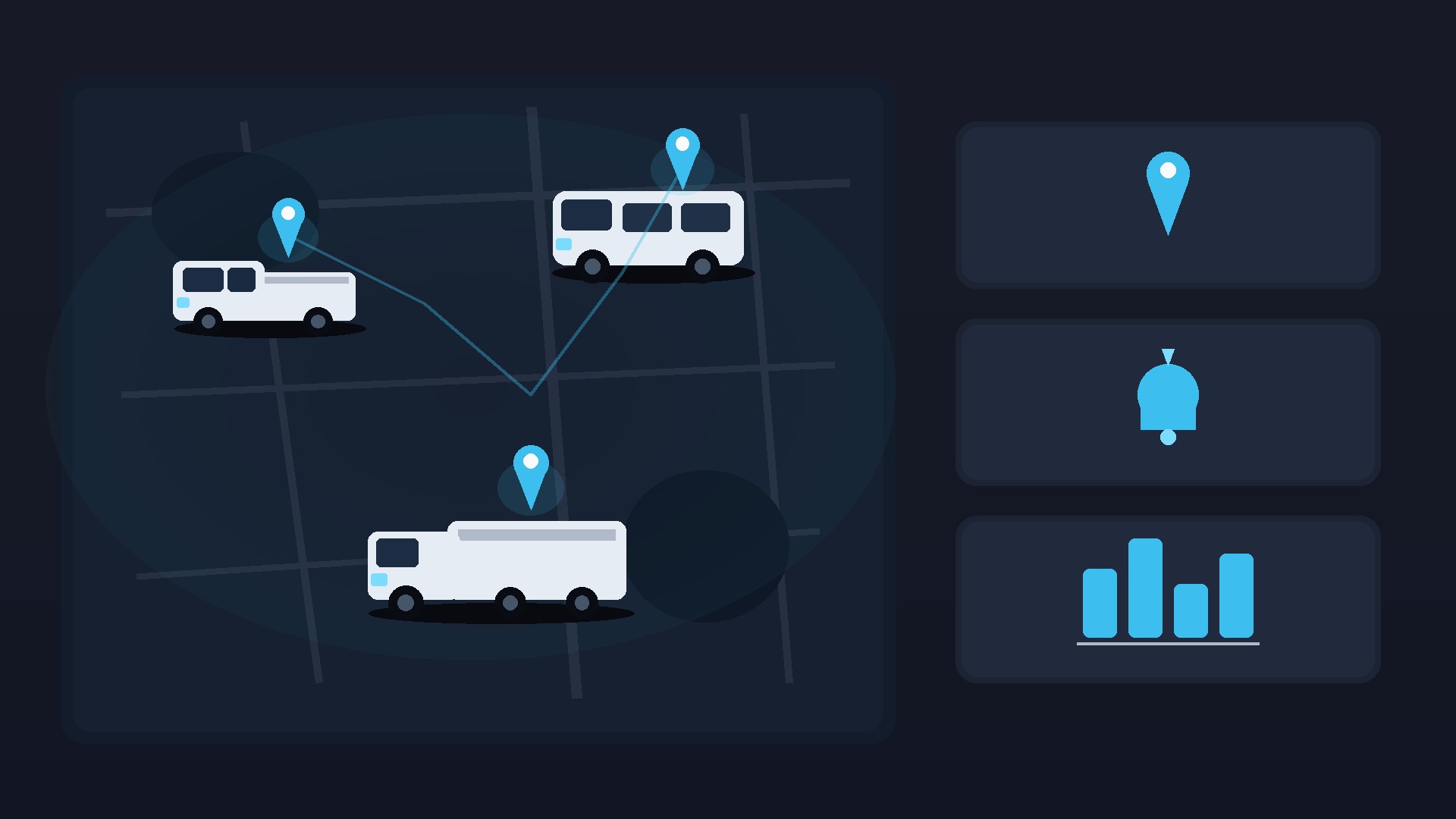
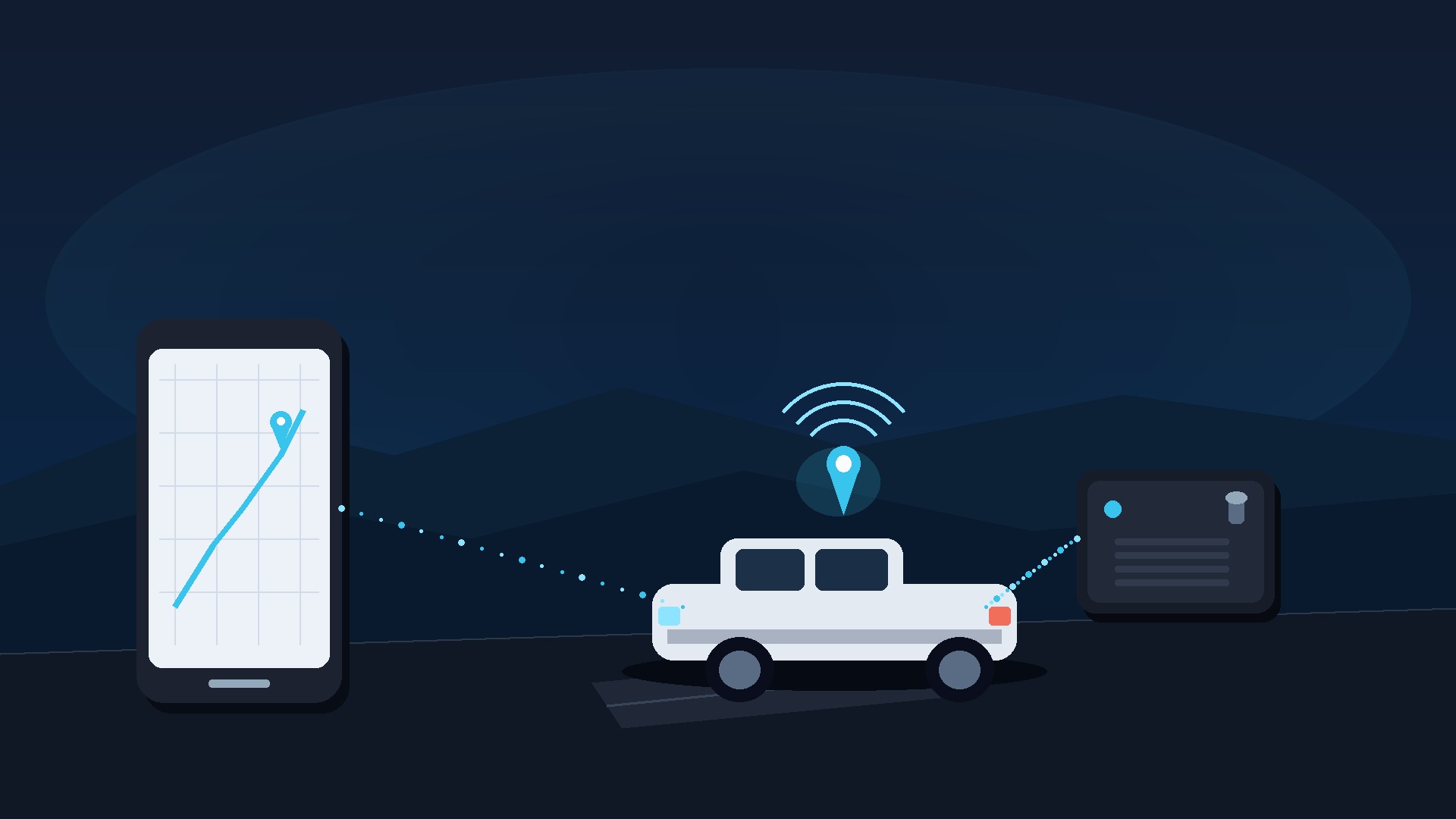
A GPS tracker Australia shoppers are comparing is a small unit in the vehicle, a SIM, and an app. The unit reads location from satellites. The SIM sends that location so you can see the car or ute on a map.
That is different from a phone left on the seat. It is also different from a cheap magnetic puck with no support and no plan you can explain.
A useful setup has three parts:
- Hardware that stays powered in the vehicle
- A network plan that does not quietly expire
- An app that shows live location and history you can export
People also search GPS tracker AU when they want the same thing from an Australian seller: a plan in Australian dollars, a local number, and hardware that fits a local car or ute. The country in the query is the filter. Coverage here. Support here. A device that plugs into an OBD-II port or wires into a 12-volt circuit.
If you only need to know where a daily driver is, start with plug-in. If the vehicle sits unattended, or you want the unit hidden, start with hardwired. The rest of this page is how to tell those two apart without a brochure.
Plug-in vs hardwired for Aussie cars and utes
Most Australian cars and late-model utes have an OBD-II port under the dash. That is why a plug-in unit is the default for a daily driver.
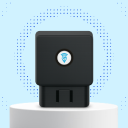
An OBD plug-in tracker sits in that port. You locate the socket, plug in, activate the unit, and open the app. No splicing. No workshop visit unless you want one. EZY GPS plug-in units include a backup battery of about two hours, so a short power loss does not immediately go dark.
Choose plug-in when:
- You want it in today, without an auto electrician
- The vehicle is a car or ute you drive often
- You are happy for the unit to sit in a standard port
- You might move the same unit between similar vehicles later
A hardwired tracker is the other product. It is connected to the vehicle’s power and sits out of sight. EZY GPS hardwired units are specified at 9V–35V, which covers a typical 12-volt car or ute circuit. An optional kill switch is available on that product if you need remote immobilisation as well as location.
Choose hardwired when:
- You want the unit hidden
- The vehicle sits in a yard, street or depot
- You do not want a visible dongle in the port
- An auto electrician can do a clean, fused install
A few honest limits. Plug-in is easy to remove — useful if you swap vehicles, a problem if a thief looks under the dash. Hardwired needs a proper install. Ask for a fused constant feed and a clean earth. Do not splice into brake or safety circuits.
If you are tracking a caravan or a trailer with no OBD port, hardwired is the tool. That is a different job from a daily driver.
A cheap magnetic unit stuck under a guard is not a third professional option. It falls off, it is easy to find, and there is usually no one to call when it dies.
Prepaid / multi-year vs monthly (honest)
The ongoing cost is the plan, not the plastic box. On EZY GPS, hardware is included with the subscription. You are not buying a unit and then discovering a separate SIM rent on top.
What is on the live pricing page today:
- On longer plans, pricing is from $50/year on the 5-year Optus path, and the GPS tracker is included
- The annual plan is $120 + GST per device and includes the tracker
- Confirm figures on the pricing page the day you order
- Shipping is $15 per order, free on six or more devices
Prepaid or multi-year is the honest choice if you already know you will keep tracking. You pay once for the term. The device is included. You are not managing a monthly debit for a single ute.
Monthly is the honest choice if you are trying tracking for a season, a short contract, or a vehicle you may sell. You pay more per month for that flexibility. That is the trade, not a trick.
What to check on any seller, including us:
- Is the hardware included, or is it a separate purchase?
- Is GST shown before you hit checkout?
- What happens when a prepaid term ends?
- Is there a lock-in you did not notice in the fine print?
If a blog and the pricing page disagree, trust the pricing page. Specials change.
For more than one vehicle, look at the free-shipping threshold (six or more on the current page) and ask about a mixed set of plug-in and hardwired units rather than guessing a bulk rate.
Live updates (~10 sec) vs cheap delayed pings
A delayed ping is cheap because it does less. A unit that reports every 10 or 15 minutes is fine for a parked trailer you check once a day. It is not fine if someone is driving the vehicle away now.
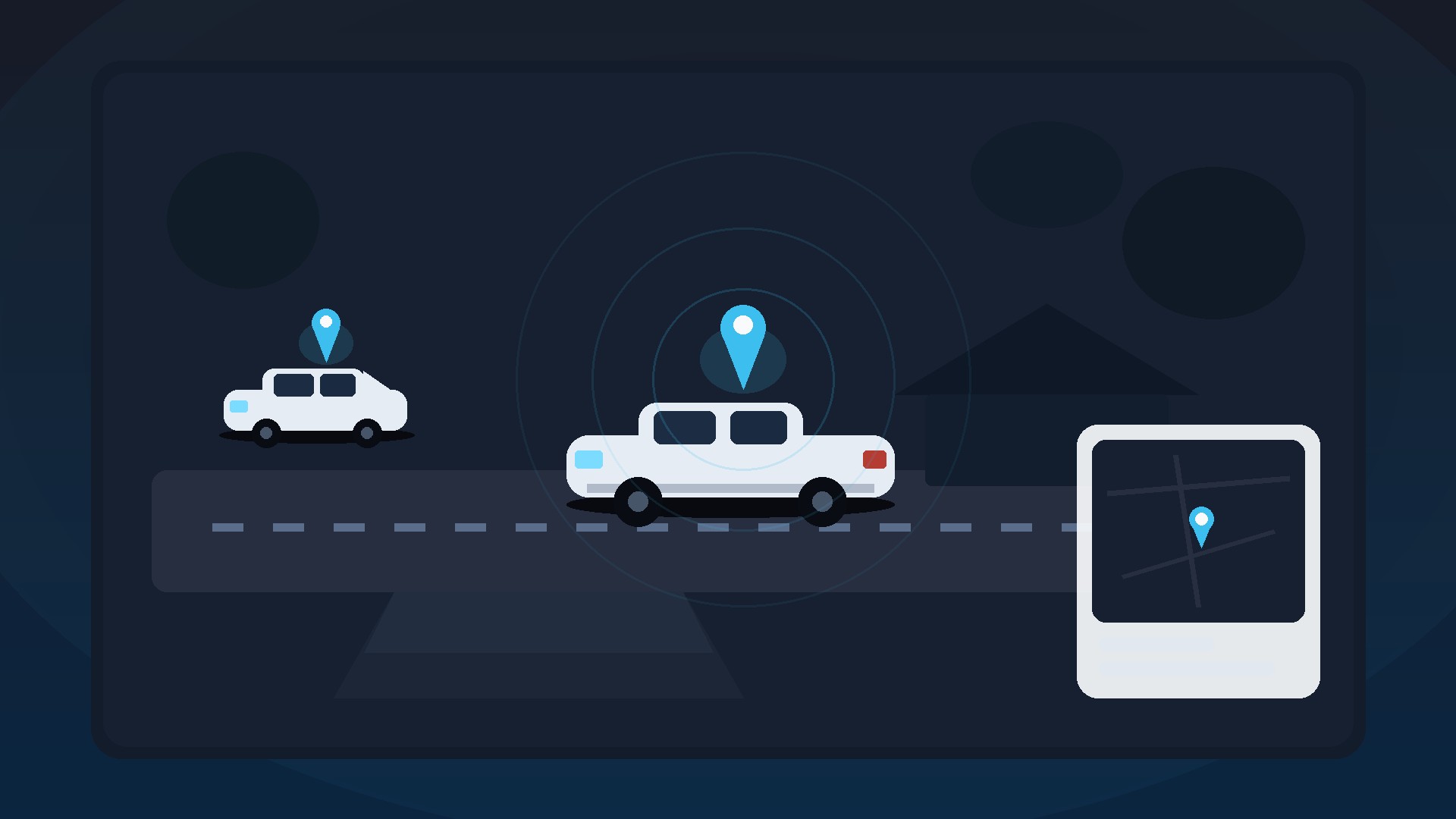
EZY GPS units send live updates around every 10 seconds once they are online. That is close enough to watch a ute leave a yard and still be useful when you share a location.
You also want history you can use later. The EZY GPS app stores 12 months of trip history and lets you export it as CSV. That matters for a small operator who needs a week of movements, not a screenshot of a pin from Tuesday.
A useful live setup usually includes:
- A map that actually moves while the vehicle moves
- Alerts when it leaves a geofence (home, depot, job site)
- Movement or ignition alerts after hours
- History you can replay and export
If a listing brags about “real-time” and then says updates every few minutes, it is not the same product. Read the interval, not the adjective.
Live updates use more data than a once-an-hour ping. That is why some cheap listings look cheaper. The cost you care about is the whole plan — hardware included, SIM included, update rate stated — not a low box price with a slow refresh hidden in a footnote.
Coverage and Australian support
Location only arrives if the SIM can reach a network. Metro Brisbane, Sydney and Melbourne are easy. Long runs through regional Queensland or thin remote stretches are not.
Ask the seller which Australian network the plan uses, and whether you can choose a wider-coverage option if your usual roads are thin. Every EZY GPS device is supplied with a SIM. If you are unsure which plan matches your routes, call 1300 399 477 before you order.
Support is the other half. A GPS tracking device Australia operators keep is one they can get help with on a weekday, in Australian time, about a unit that did not come online.
You want:
- A local number, not a chatbot in another timezone
- Help if the pin does not appear after install
- A contact page that goes to a person
EZY GPS support is on 1300 399 477. That is the practical test: can you speak to someone in Australia if the map stays blank?
Do not buy coverage promises from a map graphic. Ask which network, then match it to where the vehicle actually drives. If the ute stays in metro, say so. If it runs remote roads, say that too. The honest answer is “this plan suits those roads” or “talk to us first.”
How to choose in one page
Use this as a one-page filter. If you can answer these five, you can order.
1. What are you tracking?
Car or work ute with an OBD-II port: start with plug-in. Vehicle that sits, needs to be hidden, or has no port: hardwired.
2. How fast do you need the map to move?
If a delayed ping is enough, a cheap unit might do. If you need to see it leave, you want live updates around 10 seconds.
3. How long will you keep it?
A year or more: look at the annual plan ($120 + GST per device, tracker included). On longer plans, pricing is from $50/year on the 5-year Optus path, and the GPS tracker is included. Confirm figures on the pricing page the day you order. A short trial: monthly, and accept the higher rate for the shorter commitment.
4. Who do you call?
If there is no Australian number, keep walking. If the unit fails on a Monday morning, you want a person on 1300 399 477, not a ticket queue.
5. What is actually in the box?
Hardware included with the subscription. SIM included. App with 12 months of trip history and CSV export. Shipping $15, or free on six or more devices.
That is the whole chooser. Match the install to the vehicle, the update rate to the risk, and the term to how long you will keep tracking.
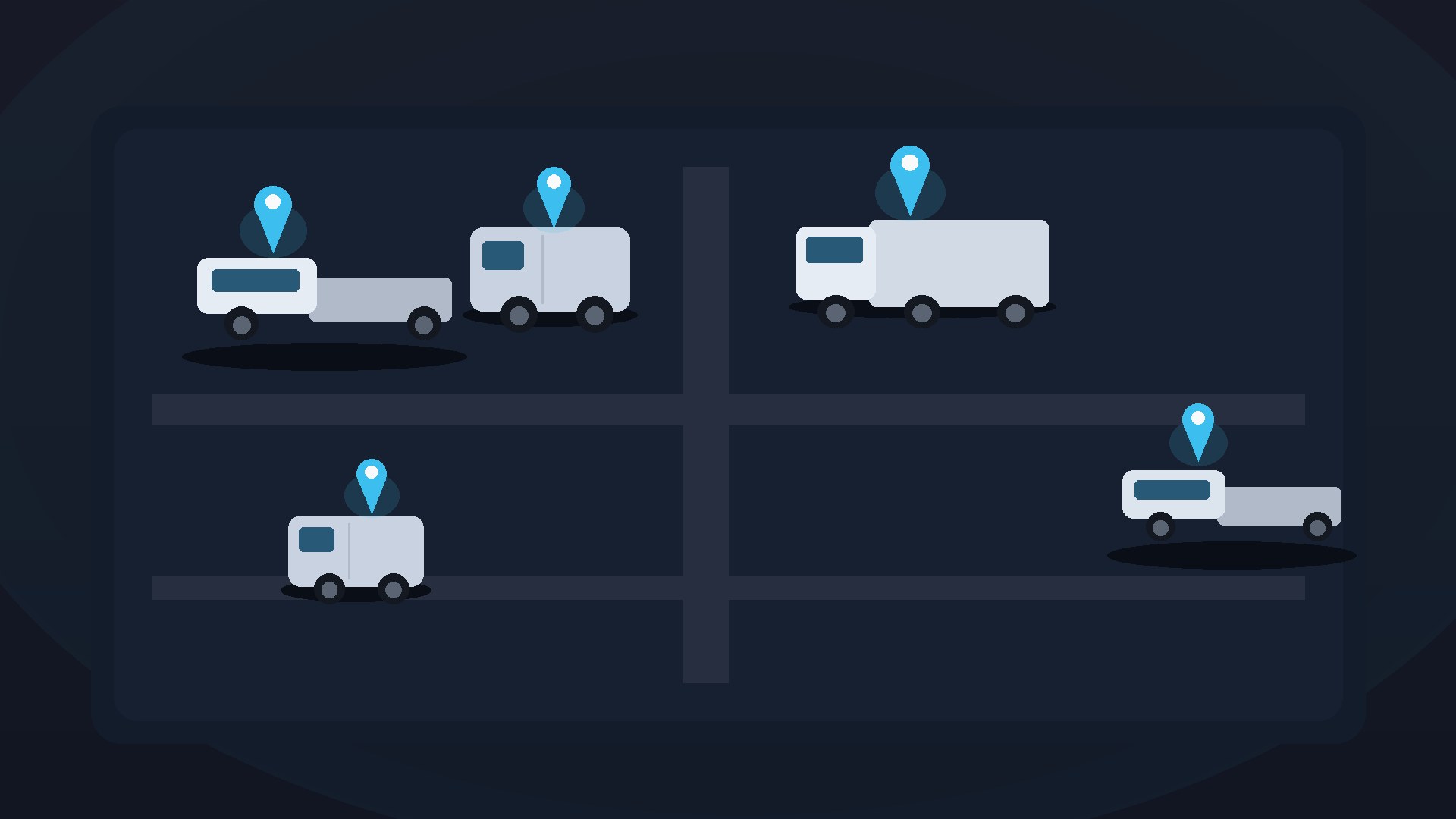
If you are mixing cars, utes and a van, treat each vehicle as its own install. Plug-in on the daily drivers. Hardwired on anything that sits or has no port. Same app, same history window, same support number.
Next step
If you want a GPS tracker Australia setup that is simple, prepaid-friendly and backed by a local phone, pick the install first, then the term.
Compare current plans on the EZY GPS pricing page. Open the OBD plug-in tracker if the vehicle has a port you can reach in two minutes. Open the hardwired tracker if you want it hidden or the vehicle has no port.
Questions about a specific car, a ute, or a mixed set of vehicles: use the contact page or call 1300 399 477. That is faster than matching a product photo to a fuse box.
Continue researching
Useful EZY GPS product and setup resources
Compare tracker types, review plan pricing and follow practical installation guidance after reading an EZY GPS article.