Vehicle GPS Tracking
GPS Tracking Basics

Vehicle Tracking Devices in Australia: What to Buy

Daniel Brunes
Aug 27, 2026
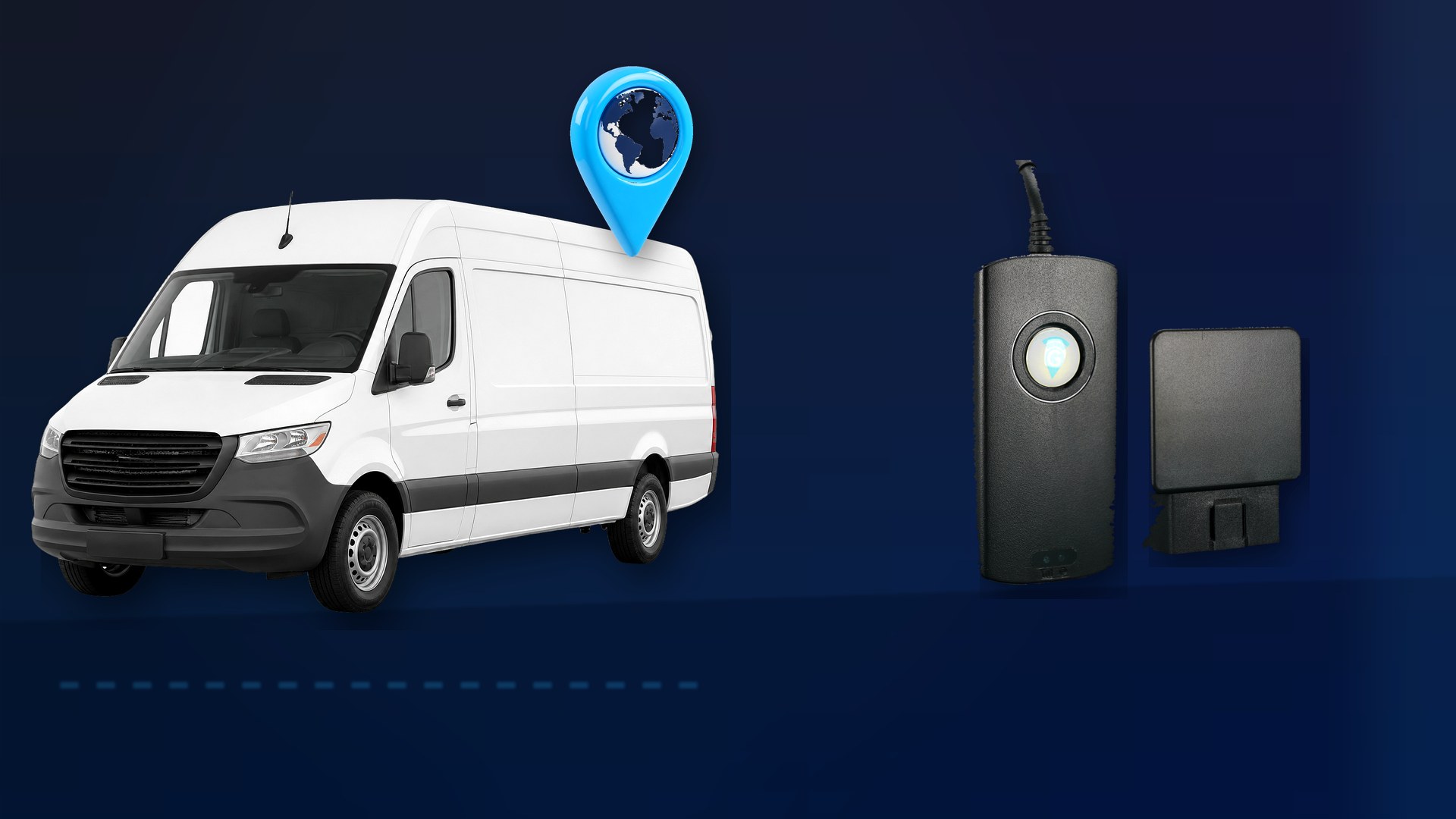
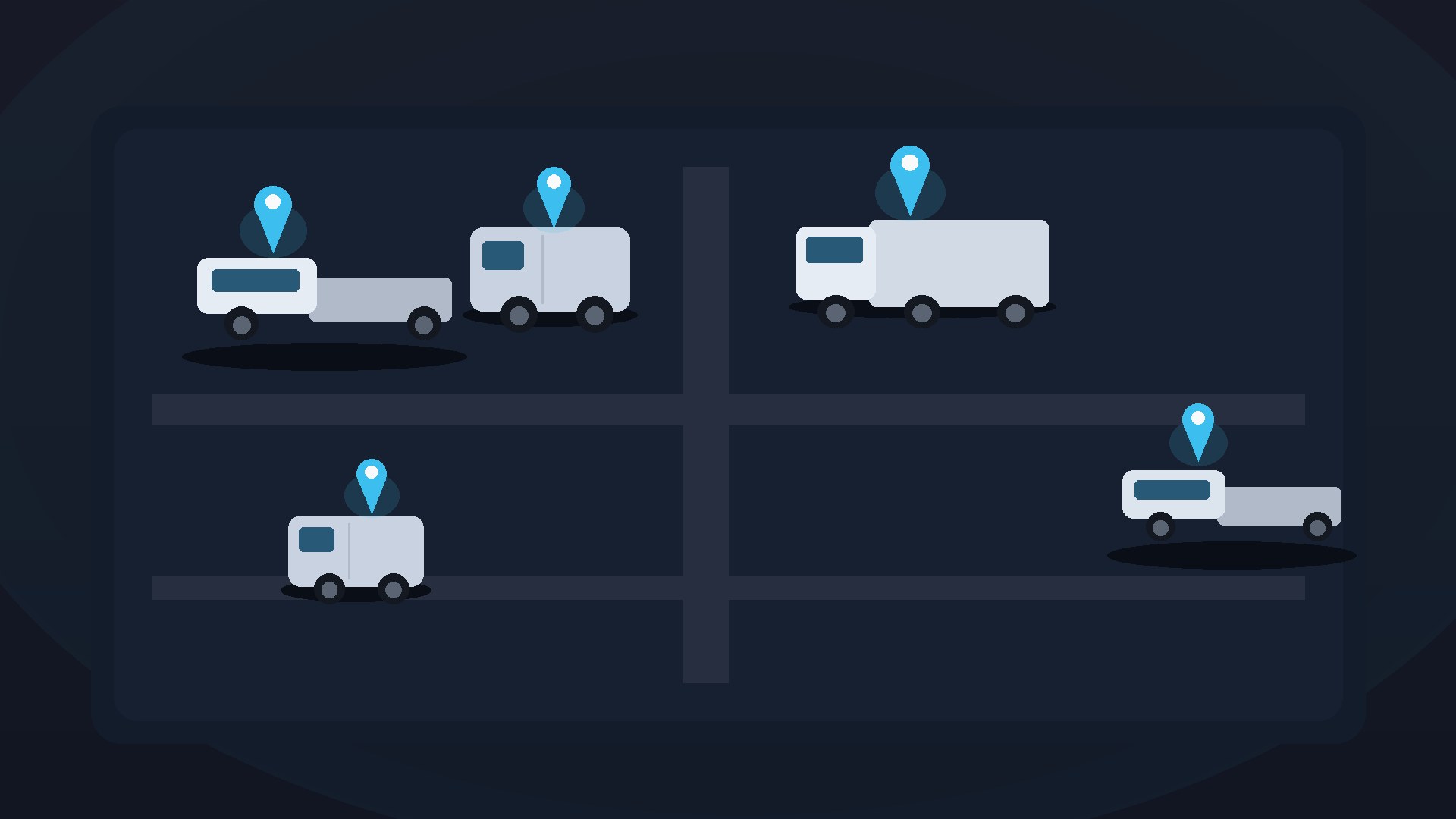
White Australian work van with plug-in OBD and hardwired vehicle tracking devices and a location pin

If you are shopping for vehicle tracking devices in Australia, you are usually trying to answer a practical question: which unit do I fit, and what does it cost after the first month?

The phrase covers a lot. Marketplace listings sell cheap magnetic pucks. Auto electricians sell concealed hardwired units. A GPS tracking device for vehicle use from a local operator sits in the middle — hardware plus a plan, an app you will actually open, and someone to call if the unit does not come online.

This guide is about that last group. It covers the three device types you will see, what a real unit actually reports, how a personal car differs from a work ute, what ongoing cost looks like on published plans, and how to pick one device without buying twice.

Device types (plug-in, hardwired, junk magnetic)

Most GPS trackers for vehicles sold here fall into three buckets. Only two of them are a professional system. The third is a gadget.

Plug-in (OBD-II)

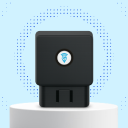
This is the DIY option. You find the 16-pin diagnostic port under the driver’s dash, plug the tracker in, and open the app. Most Australian light vehicles from the mid-2000s have the port. Installation does not need tools.

An EZY GPS plug-in OBD tracker includes a backup battery of about two hours, so the device can still report for a short time if it is unplugged. You can move it between compatible cars. It is the right starting point for a modern sedan, a family car, or a small fleet that wants to try tracking without booking an installer.

It is also visible. Anyone who knows where the port is can pull it out. An extension cable can tuck the unit behind the dash, which stops a knee knocking it loose. That is not the same as a hidden security install.

Hardwired

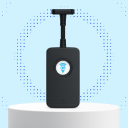
An auto electrician or installer connects the unit to the vehicle’s electrical system and hides it. EZY GPS hardwired trackers are specified at 9V–35V, which covers cars, vans, utes and many trucks. An optional kill switch can be fitted if you need remote immobilisation discussed with the installer.

Hardwired is the better choice when you do not want the device unplugged, when the vehicle sits on a job site, or when there is no usable OBD-II port. It stays online from vehicle power. A short backup battery covers a cut-wire or disconnect — it is not a substitute for a proper fused feed.

Magnetic / junk units

These are the cheap pucks you magnet onto a chassis rail or hide in a wheel arch. Some work for a weekend. Many do not last an Australian summer.

Typical failure modes: a battery that dies after a few days of live updates, a plastic case that cooks on a steel rail, a magnet that falls off corrugated dirt roads, and no Australian support when the SIM stops. They are also easy to find and throw away. If theft or a work ute is the reason you are buying, a magnetic puck is the wrong tool.

A useful rule: if the listing sells you the box and says nothing about the plan, you are buying a gadget, not a tracking system.

Browse both professional options on the products page before you compare marketplace listings.

What a real vehicle device reports

A GPS tracking device for vehicle work has to do more than drop a pin once an hour. If the unit only pings when it feels like it, you will not trust it the first time you actually need it.

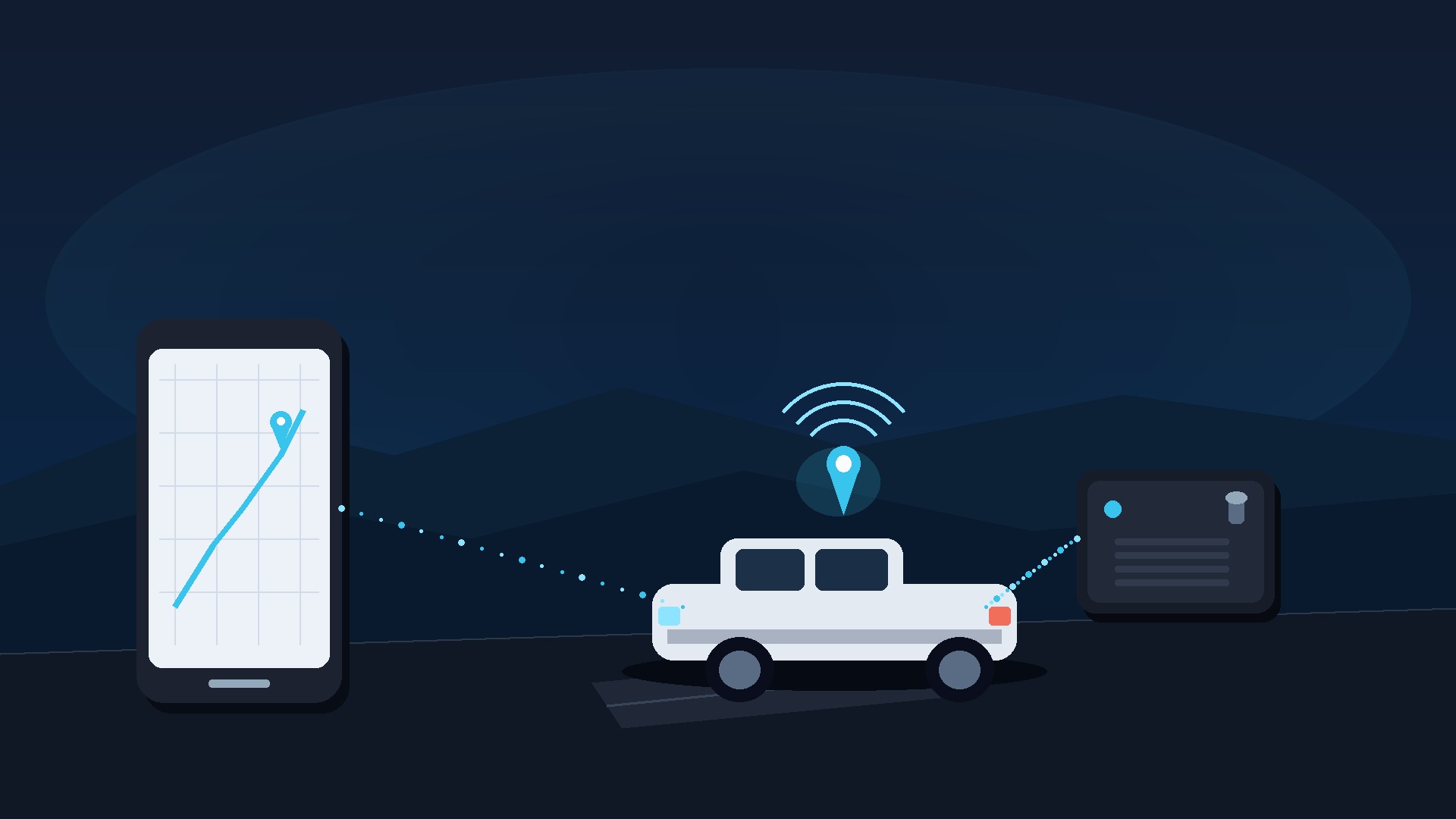
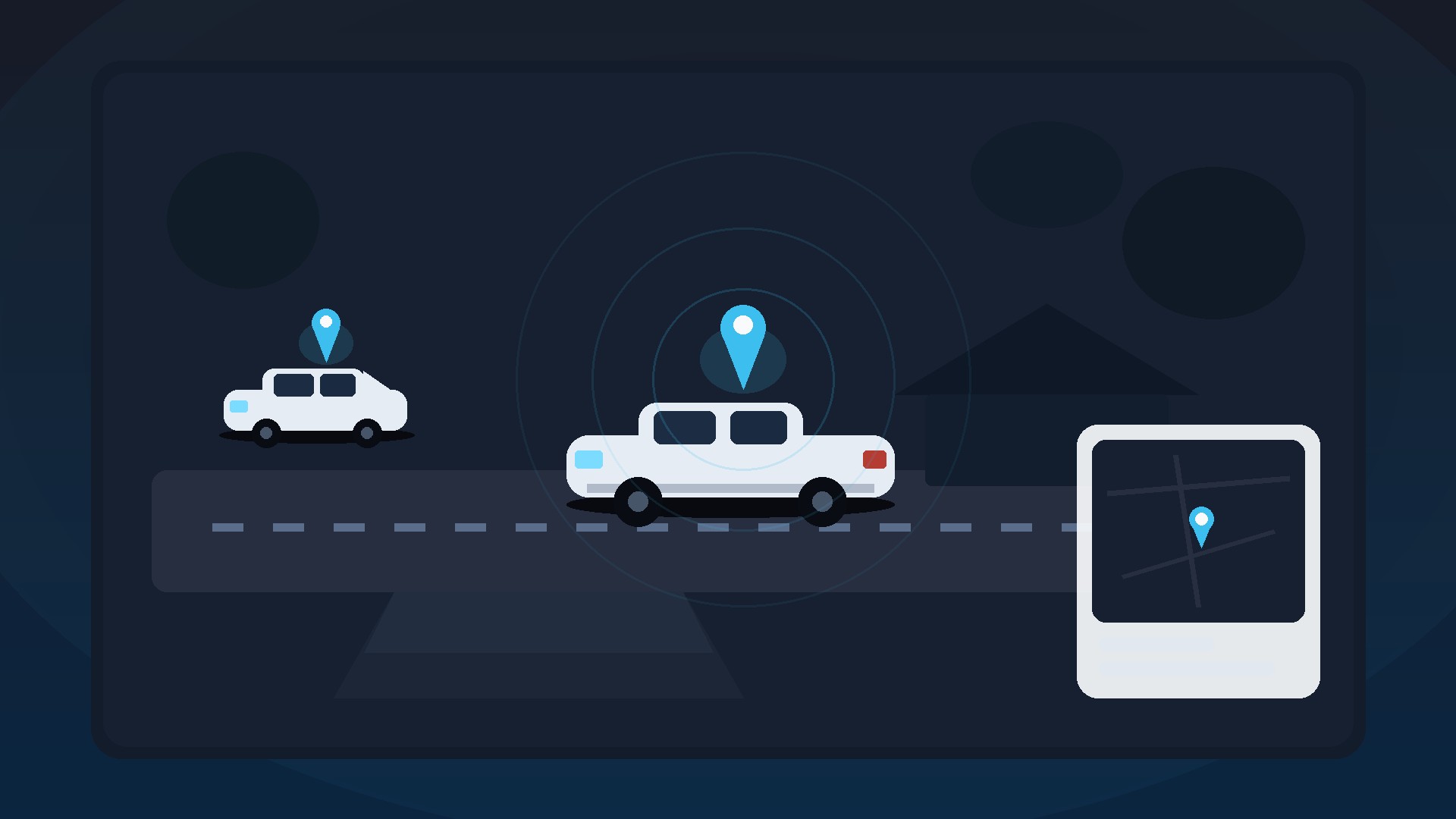
Live location. Once the unit is online, you should see the vehicle on a map and watch it move. EZY GPS devices update around every 10 seconds. That is the difference between “it was in Brisbane this morning” and “it is on the Gateway now.”

Ignition and movement. A real device reports whether the vehicle is running, moving, or sitting still. That is how after-hours alerts and idle time become useful rather than decorative.

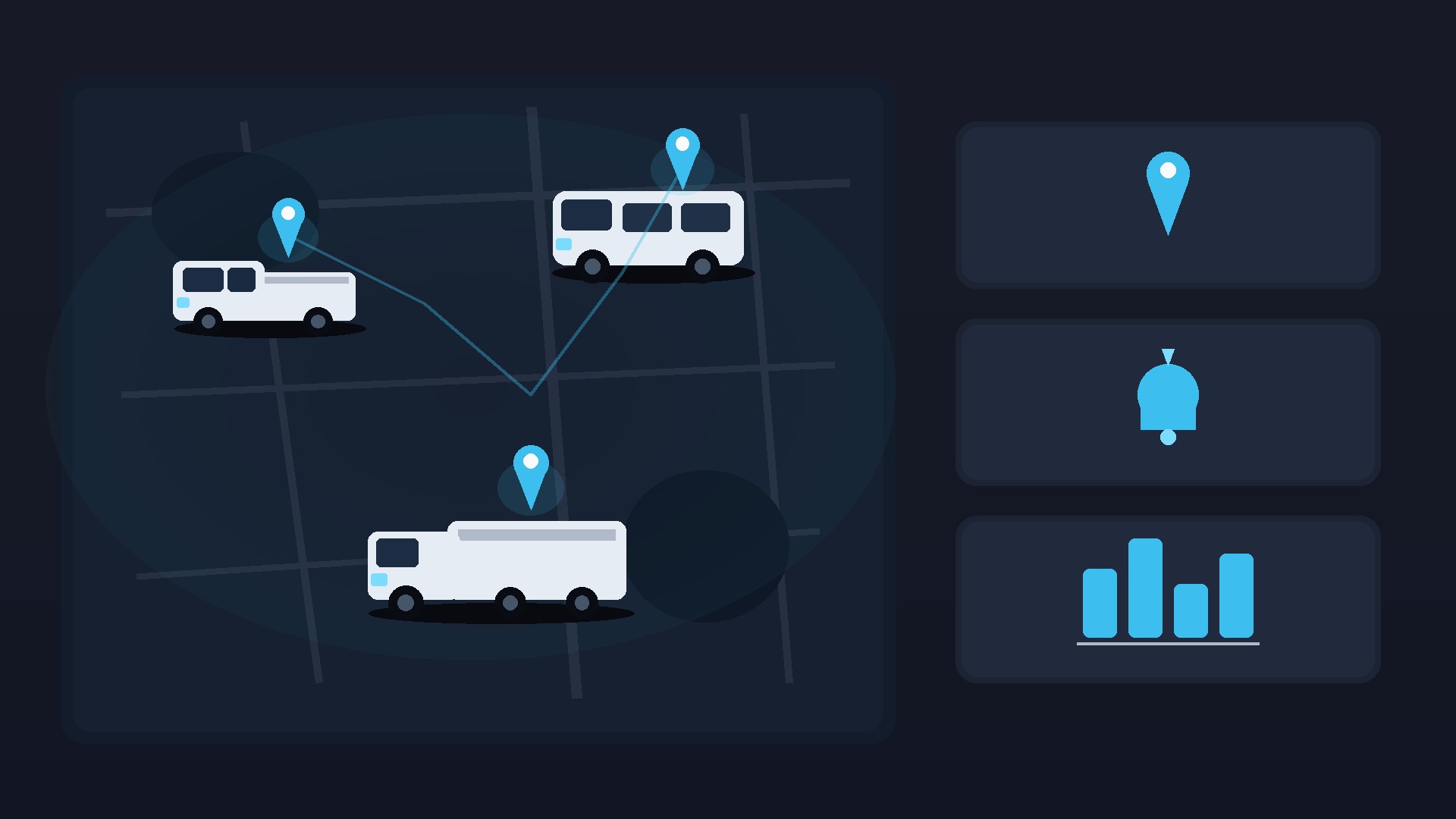
Alerts you can act on. Useful alerts are specific: geofence enter or exit, vibration or movement when the vehicle should be parked, power-loss or unplug, and speeding if you choose to set a threshold. A device that only emails you a daily summary is not a live tracker.

Trip history you can export. EZY GPS stores 12 months of trip history and lets you export CSV. That is what you use for a disputed job, a fuel claim, or a conversation after an incident. If history disappears after 30 days, you will notice the first time you need it.

App and web, not a one-off SMS. You should open the same account on a phone and a browser, see every vehicle, and share access with a workshop manager or another account user.

What a vehicle device is not: a guarantee that a stolen vehicle will be recovered, a substitute for insurance, or a legal opinion on tracking someone else’s car. If you do not own the vehicle and the driver has not consented, stop and get advice before you buy anything.

Personal car vs work ute

The same hardware can sit in both. The install and the alerts should not.

Personal car

Most owners want a simple answer: where is the car, and did it move when it should not have. A plug-in unit is usually enough. Fit it, set a geofence around home, and turn on movement or power-loss alerts.

Typical cases: a second car at the airport, a vehicle that lives on the street, a teen driver, or a car you lend to family. If you change cars often, plug-in wins because you take it with you.

A personal car does not need a fleet dashboard. It needs a map that loads and an alert that reaches your phone at 2am.

Work ute

A ute on a job site is a different risk. Tools, tradie plates, and a vehicle that sits unattended make a visible dongle a liability. Hardwired is the usual pick: hidden, harder to remove, and able to send a cut-wire or power-loss alert.

After-hours geofences around the depot or home yard matter more than a pretty report. If contractors or apprentices have keys, assume someone will unplug a dongle the first week. Fit the unit they cannot casually remove.

If you run more than one ute, treat them as a small fleet from day one — same app, same alerts, one invoice. Do not buy two different platforms for the car and the ute.

Vans, trucks and plant

If there is no OBD-II port, or you want concealment, skip plug-in. Hardwired at 9V–35V covers a wide range of 12-volt and 24-volt vehicles. Confirm the voltage and the install location with the electrician before they drill anything. Keep the unit where it can see the sky through the roof lining — not inside a steel toolbox.

Plans and ongoing cost

The box is not the product. The plan is.

On the live EZY GPS pricing page:

  • Hardware is included with the subscription. You are not buying a tracker and then renting a SIM as a surprise extra.
  • On longer plans, pricing is from $50/year on the 5-year Optus path, and the GPS tracker is included.
  • The annual plan is $120 + GST per device and includes the tracker.
  • Shipping is $15 per order, free on six or more devices.

That is the published picture. Confirm figures on the pricing page the day you order — specials change.

When you compare other GPS trackers for vehicles, ask the same questions every time:

  1. Is the hardware included, or is there a separate box price?
  2. Is the plan monthly, annual, or prepaid for several years?
  3. What happens after the prepaid period — does the unit go dark?
  4. How often does it actually update, and is that in the plan or a higher tier?
  5. How long is trip history kept, and can you export it?
  6. Who do you call if it does not come online — an Australian number, or a marketplace chat?

EZY GPS support is on 1300 399 477. If you are fitting a mix of cars and utes, or more than a handful of vehicles, ask for fleet pricing rather than guessing a bulk rate. Use the contact page if you would rather write than call.

A cheap magnetic unit with no plan looks cheaper on day one. Add a prepaid SIM, a dead battery, and a second purchase when the first one fails, and it is rarely cheaper by December.

How to pick one device

Use this in order. Stop when you have an answer.

1. What are you trying to see? If the answer is “where the vehicle is, live, and whether it moved after hours,” you need a professional unit with a plan. If the answer is “a gadget for a weekend experiment,” a marketplace puck might be enough — and you should treat it as disposable.

2. Can you use the OBD-II port? Most Australian light vehicles from the mid-2000s have one. If you can reach it and you do not mind a visible (or extension-tucked) dongle, start with plug-in. If the port is missing, already used, or you do not want the device removable, go hardwired.

3. Who else has keys? If the vehicle is yours and stays in the family, plug-in is fine. If contractors, apprentices or a rotating driver pool have access, hardwired is the safer default.

4. Do you need immobilisation? Only a hardwired install can take an optional kill switch. Do not buy that feature for a trailer with no ignition circuit. On a car or ute, treat it as an extra you discuss with the installer, not a reason to skip location and alerts.

5. How many vehicles? One car: pick a device, pick a plan, fit it this week. Three to ten vehicles: same product family, one account, check shipping (free on six or more) and ask about fleet rates.

6. Confirm the boring details. Voltage (9V–35V on the hardwired unit), backup battery on the plug-in (about two hours), 12 months of history with CSV, and a phone number you will actually call. Then order.

If you are still unsure, call 1300 399 477 and describe the vehicle. That is faster than reading another comparison page.

Next step

You do not need a catalogue of twenty SKUs. You need one GPS tracking device for vehicle use that stays online, and an honest plan.

Share on: