

Asset Tracker Australia: Plant, Tools and Equipment

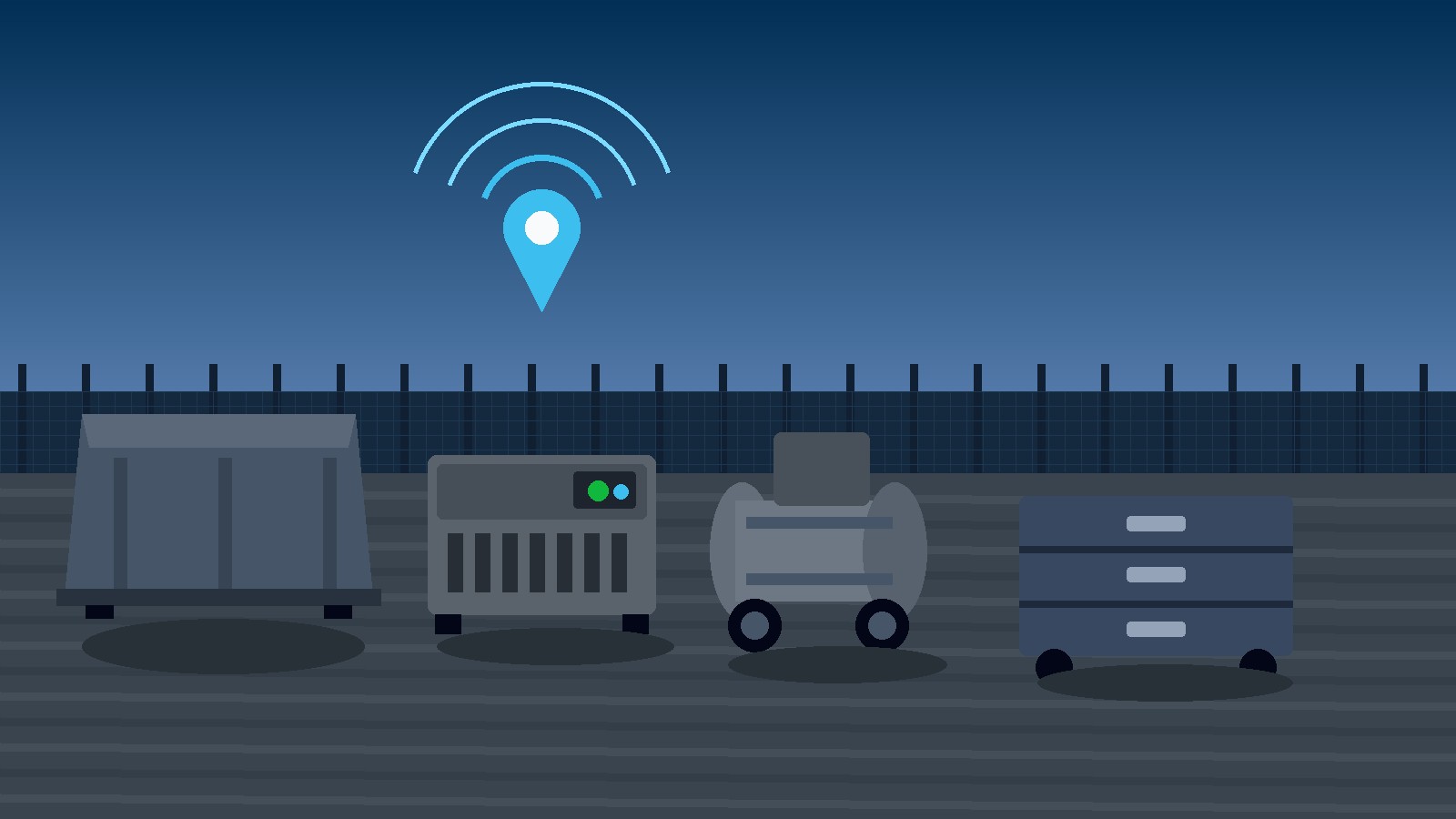
An asset tracker in Australia is a small hardwired unit on the plant, generator, compressor or toolbox — not a phone in someone’s pocket, and not a way to watch a person. You want to know where the gear is, get an alert if it moves, and still see a pin if someone cuts the power.
This page is for high-value kit that sits on a site: plant, tools, generators, compressors and skip bins. It is not a farming guide and it is not a truck guide. If you run tractors or harvesters, use the agriculture and farming equipment article. If you run excavators, loaders or trucks, use hardwired GPS tracking for heavy vehicles and machinery. This post stays on the site asset itself.
The practical setup is a hardwired tracker on 4G, specified at 9–90V on the product page, with location updates every 10 seconds. Confirm voltage, plans and install cost on the live products and pricing pages the day you order.
What an asset tracker is
An asset tracker is three things that stay with the machine: a GPS unit, a SIM, and an app. The unit reads location from satellites. The SIM sends that location on 4G. You open the app and see the generator, compressor or skip on a map.
That is also what people mean by an equipment GPS tracker. Same job, same hardware. The search is about the asset on the site, not a daily driver and not a person.
A useful setup does four things:
- Shows the asset on a map while it is parked
- Updates often enough that a moving pin is useful — every 10 seconds on EZY GPS units, once they are online
- Alerts you if it leaves a geofence, vibrates, or loses power
- Keeps trip history you can replay later (12 months stored, with CSV export, on the live pricing page)
It is not a phone left in a cab. A phone goes home with whoever last used it. It is not a plug-in OBD unit either. A generator, compressor, skip bin or toolbox has no OBD-II port. Plug a car tracker into the ute and you track the ute. The plant you left behind stays dark.
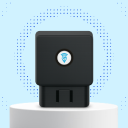
EZY GPS sells two devices: an OBD plug-in tracker for cars and utes, and a hardwired tracker for assets that need a hidden, permanent install. Site gear is the hardwired job. Compare both on the products page if your mix includes a work ute as well as plant.
Why a magnetic puck fails on plant
A magnetic puck looks easy. Stick it under a skip, on a compressor frame, or on the belly of a generator. No wiring. No installer. That is also why it fails on plant.
Plant vibrates. A diesel generator or a compressor on a plant trailer will shake a magnet off a rail. You find out the unit is gone when you need the pin.
Steel hides it from you and shows it to a thief. A puck on a chassis rail is the first thing someone looks for with a torch. If they can pull it off in ten seconds, it is not doing a security job.
Battery-only units die. A skip or a compressor can sit on a site for weeks. A pack that lasts a few days is no use. When the battery is flat, the map is a last-seen suburb, not a live location.
Update rate is the third failure. A cheap puck that pings every 10 or 15 minutes is fine if you check a parked trailer once a day. It is not fine if the compressor is on a trailer heading up the highway. EZY GPS hardwired units send live updates every 10 seconds. Read the interval, not the adjective “real-time”.
If the unit is easy to stick on, it is easy to pull off. On plant, tools and site gear you want a hidden unit on the asset’s own power.
Hardwired 4G on 12V and 24V gear
A hardwired tracker is wired to the asset’s battery and sits out of sight. The live product specification lists a working voltage of DC 9V–90V, 4G, location updates every 10 seconds, and a 300 mAh backup battery for up to about two hours if main power is cut. The unit is 82 × 30.5 × 14.8 mm and 38 g. Location accuracy is listed at ≤ 5 m.
That voltage range covers common 12-volt and 24-volt plant circuits. A generator start battery, a diesel compressor battery, or a 24-volt plant circuit sits inside that window. Ask the installer to measure the feed on the specific machine before they splice anything.
What the install actually is:
- Professional installation by an auto electrician is recommended. The products page puts a typical hardwired install at about $120–$150
- Four wires on the hardwired unit: red (constant power), black (ground), orange (ignition/ACC), yellow (immobiliser trigger — only if you are fitting that option on a vehicle with a starter)
- Hidden inside a cavity or panel, facing the sky for GPS, not inside a fully enclosed steel box that blocks the signal
- Fused constant feed and a clean earth. Do not tap brake, lighting or safety circuits
Power is the decision that makes or breaks an equipment GPS tracker. A car battery is charged every day. A generator often has a 12-volt start battery. A diesel compressor often has one too. A skip bin or a toolbox often has nothing. If the asset has no 12-volt or 24-volt supply when it sits, say so before you order. A hardwired unit will not invent power. Unpowered skips and tool chests need a battery plan first. Use ignition/ACC only if the asset has a switched circuit you actually need. Then check the unit on the app and set a geofence around the yard. If you are unsure, call 1300 399 477 before you order.
The backup battery is a buffer, not a plan. About two hours of tracking after a cut-wire or power-loss event is enough to see the asset move and get an alert. It is not enough to run a skip for a month with no feed.
Immobiliser is a vehicle feature
Optional immobiliser is hardwired only, and only on a vehicle. On the product page it interrupts the starter motor circuit, and only that circuit — never ECU, CAN bus, fuel pump or safety systems.
A generator, compressor, skip or toolbox with no starter has nothing to interrupt. Do not buy immobiliser for those assets. Do not invent a kill switch for a generator. You want location, movement, geofence, vibration, cut-wire and power-loss alerts. Skip the yellow wire if there is no starter.
What you actually pay
On EZY GPS the device is included with every plan. All plans include the device, SIM, app access and support. Figures below are from the live products and pricing pages. Confirm them the day you order — specials change.
Optus / Vodafone:
- 5-year plan: $250 + GST total ($50 per year equivalent). No setup fee
- 1-year plan: $120 + GST per year. No setup fee
- Month-to-month: $10 + GST per month, plus a $60 setup fee
Telstra:
- 5-year plan: $800 + GST total ($160 per year equivalent). No setup fee
- 1-year plan: $230 + GST per year. No setup fee
- Month-to-month: $22 + GST per month, plus a $60 setup fee
Optus is listed for metro and suburban 4G/5G. Telstra is listed as the wider-coverage option for metro plus regional and rural reach. Pick the network for the worst site the asset actually sits on, not the office driveway.
Other published costs:
- Hardwired install: about $120–$150 on average, paid to an auto electrician (products page)
- Shipping: $15 per order, free on six or more devices (pricing page)
- Warranty: 12 months (pricing page)
- Fleet discounts: available — contact EZY GPS rather than guessing a rate
Prepaid or multi-year is the honest choice if the generator or compressor will stay on the books. Monthly is the honest choice for a short hire or a trial. You pay more per month for that flexibility. That is the trade, not a trick. If a blog and the pricing page disagree, trust the pricing page.
How to choose
Match the setup to the asset, not to a discount sticker.
1. What are you tracking?
Plant, a generator, a compressor, a skip or a toolbox: start with hardwired. A work ute with an OBD-II port can use plug-in. Do not put a car dongle on a machine that has no port.
2. Does it have 12V or 24V when it sits?
If yes, a fused constant feed is the install. If no — a bare skip or a dry toolbox — sort power first. The 9–90V spec on the hardwired product page is the published range. Measure the actual circuit.
3. How fast does the map need to move?
If a delayed ping is enough, a cheap puck might do until it falls off. If you need to see the compressor leave the compound, you want updates every 10 seconds.
4. Which network?
Metro yard: Optus is the value path on the published plans. Regional or remote site: Telstra is the wider-coverage option. If the same generator does both, pick the worst site.
5. How long will you keep it?
A year or more: $120 + GST per year on Optus, or $250 + GST once for five years ($50 per year equivalent). Short trial: month-to-month at $10 + GST, plus $60 setup. Confirm on pricing.
6. What you do not need
You do not need a plug-in OBD unit on a generator. You do not need immobiliser on a skip, a toolbox, or a compressor with no starter. You do not need a second buyer’s guide for a tractor or an excavator — those live on the farming and heavy-vehicle posts linked above.
Next step
If you want an asset tracker that stays on the plant, the generator or the compressor when the site goes quiet, start with the hardwired unit and the plan that matches the site.
Open the hardwired tracker for the 9–90V spec, 10-second updates and install notes. Compare current plans on pricing. If you also have a ute to cover, compare both devices on products.
Questions about a specific generator, a skip with no battery, a 24-volt machine, or a mixed set of site assets: use the contact page or call 1300 399 477. That is faster than matching a product photo to a fuse box.


Continue researching
Useful EZY GPS product and setup resources
Compare tracker types, review plan pricing and follow practical installation guidance after reading an EZY GPS article.