
GPS Tracking Features & Technology

What Is a GPS Kill Switch and How Does It Work?

Jan 7, 2026
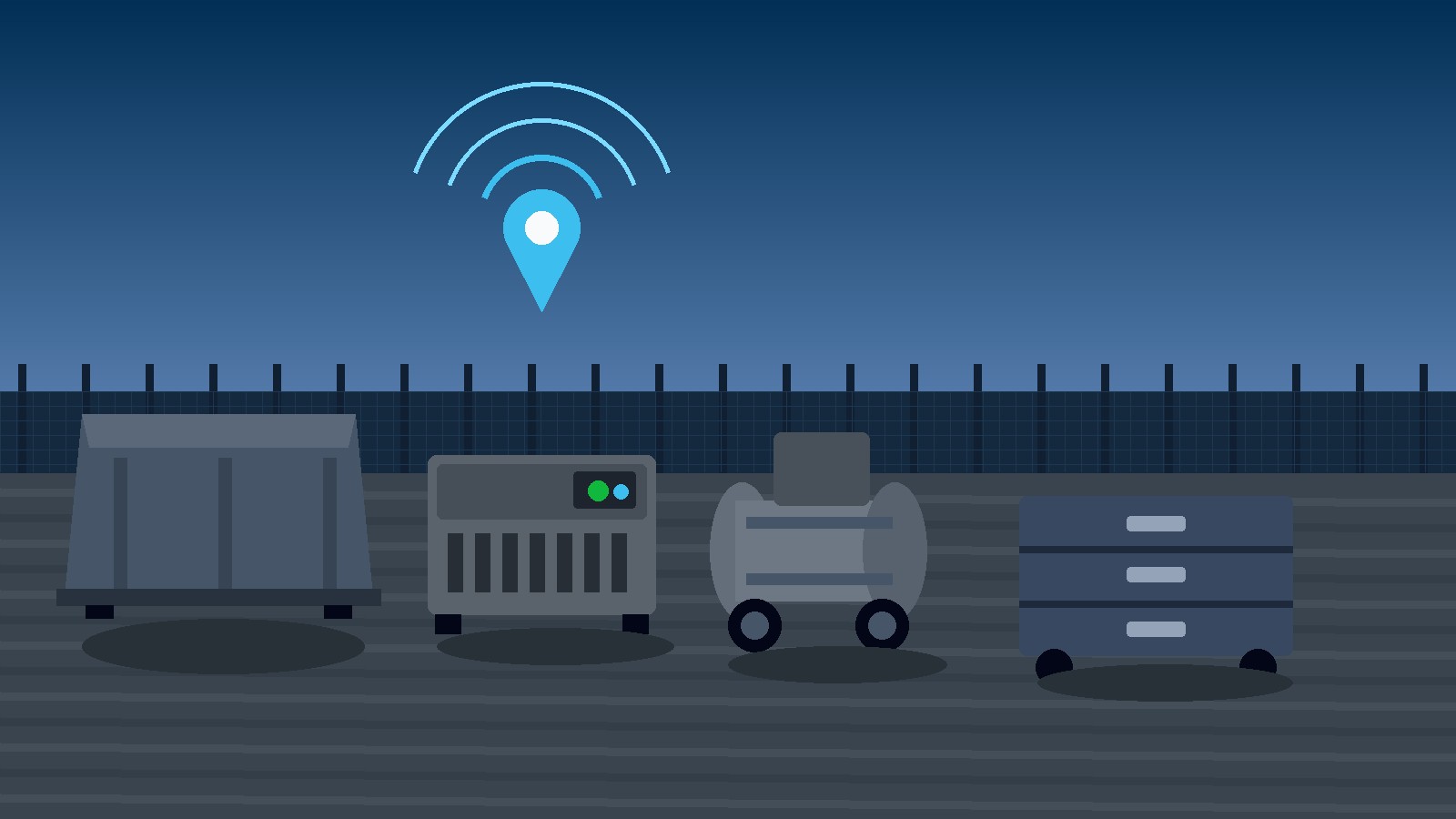
Battery backup in GPS trackers showing continued tracking during vehicle power loss

A GPS kill switch is a powerful vehicle security featuredesigned to help prevent theft, recover stolen vehicles, and protect valuableassets. It’s often discussed alongside GPS tracking systems, but many vehicleowners and businesses aren’t exactly sure what a GPS kill switch does or how itworks.

This article explains what a GPS kill switch is, how itoperates, when it should be used, and what to consider before installing one.

What Is a GPS Kill Switch?

A GPS kill switch is a remote vehicle immobilisationfeature that allows authorised users to disable a vehicle’s ability to start orcontinue running.

It is typically used in combination with a GPS trackingsystem and is activated through:

  • A     GPS tracking platform
  • A     secure web dashboard or app
  • Authorised     administrative access

When activated correctly, the kill switch prevents thevehicle from being driven further.

How Does a GPS Kill Switch Work?

A GPS kill switch works by integrating with a vehicle’selectrical system.

Here’s a simplified breakdown:

  1. A     GPS tracking device is installed in the vehicle
  2. The     kill switch is wired into a critical circuit (such as the starter or fuel     system)
  3. If     immobilisation is triggered, the circuit is interrupted
  4. The     vehicle is prevented from starting or continuing operation safely

Modern systems are designed to immobilise vehiclessafely, usually when the vehicle is stationary or next started.

Is a GPS Kill Switch the Same as a Standard Immobiliser?

Not exactly.

  • A     standard immobiliser automatically prevents unauthorised starting
  • A     GPS kill switch allows remote immobilisation based on GPS tracking data

GPS kill switches add an extra layer of control and areespecially useful when a vehicle is stolen or being used without permission.

When Is a GPS Kill Switch Used?

GPS kill switches are commonly used in:

  • Fleet     vehicles
  • Rental     and hire vehicles
  • Finance     and asset recovery situations
  • High-value     or theft-prone vehicles

They are not typically intended for everyday drivercontrol, but rather for security and recovery scenarios.

Can a GPS Kill Switch Stop a Moving Vehicle?

No — and it shouldn’t.

Reputable GPS kill switch systems are designed to:

  • Prevent     vehicle start-up
  • Immobilise     vehicles when stationary
  • Avoid     cutting power while driving

This is critical for safety and legal compliance.

Is a GPS Kill Switch Legal in Australia?

Yes — when used correctly.

Legality depends on:

  • Vehicle     ownership
  • Clear     disclosure to drivers
  • Use     for legitimate purposes (e.g. theft recovery)

Businesses should always:

  • Inform     drivers in vehicle policies
  • Avoid     activating immobilisation while vehicles are moving
  • Use     kill switches responsibly

Used correctly, GPS kill switches are a lawful andaccepted security feature.

GPS Kill Switch vs GPS Tracking Alone

GPS tracking allows you to:

  • See     where a vehicle is
  • Monitor     movement and activity
  • Assist     in recovery

A GPS kill switch adds:

  • Remote     immobilisation
  • Theft     prevention escalation
  • Greater     asset protection

Together, they form a comprehensive vehicle securitysolution.

Who Should Consider a GPS Kill Switch?

A GPS kill switch is best suited to:

  • Rental     and hire fleets
  • Finance     and asset recovery operations
  • Businesses     with high-value vehicles
  • Fleets     operating in theft-prone areas

For standard fleet tracking, GPS tracking alone may besufficient. For higher risk scenarios, a kill switch adds peace of mind.

Why EzyGPS GPS Kill Switch Solutions Are Different

EzyGPS offers GPS tracking solutions with optionalimmobilisation features designed for safe, compliant, real-world use.

Our systems focus on:

  • Secure,     authorised activation
  • Safe     immobilisation logic
  • Clear     audit trails
  • Integration     with GPS tracking platforms

We prioritise safety, compliance, and reliability — notgimmicks.

Final Thoughts: Is a GPS Kill Switch Right for You?

A GPS kill switch is a powerful tool when usedresponsibly. Combined with GPS tracking, it provides an added layer ofprotection that can significantly reduce theft risk and improve recoveryoutcomes.

The key is choosing a professional-grade system and usingit within clear guidelines.

Blog Summary (Webflow Excerpt)

What Is a GPS Kill Switch and How Does It Work?
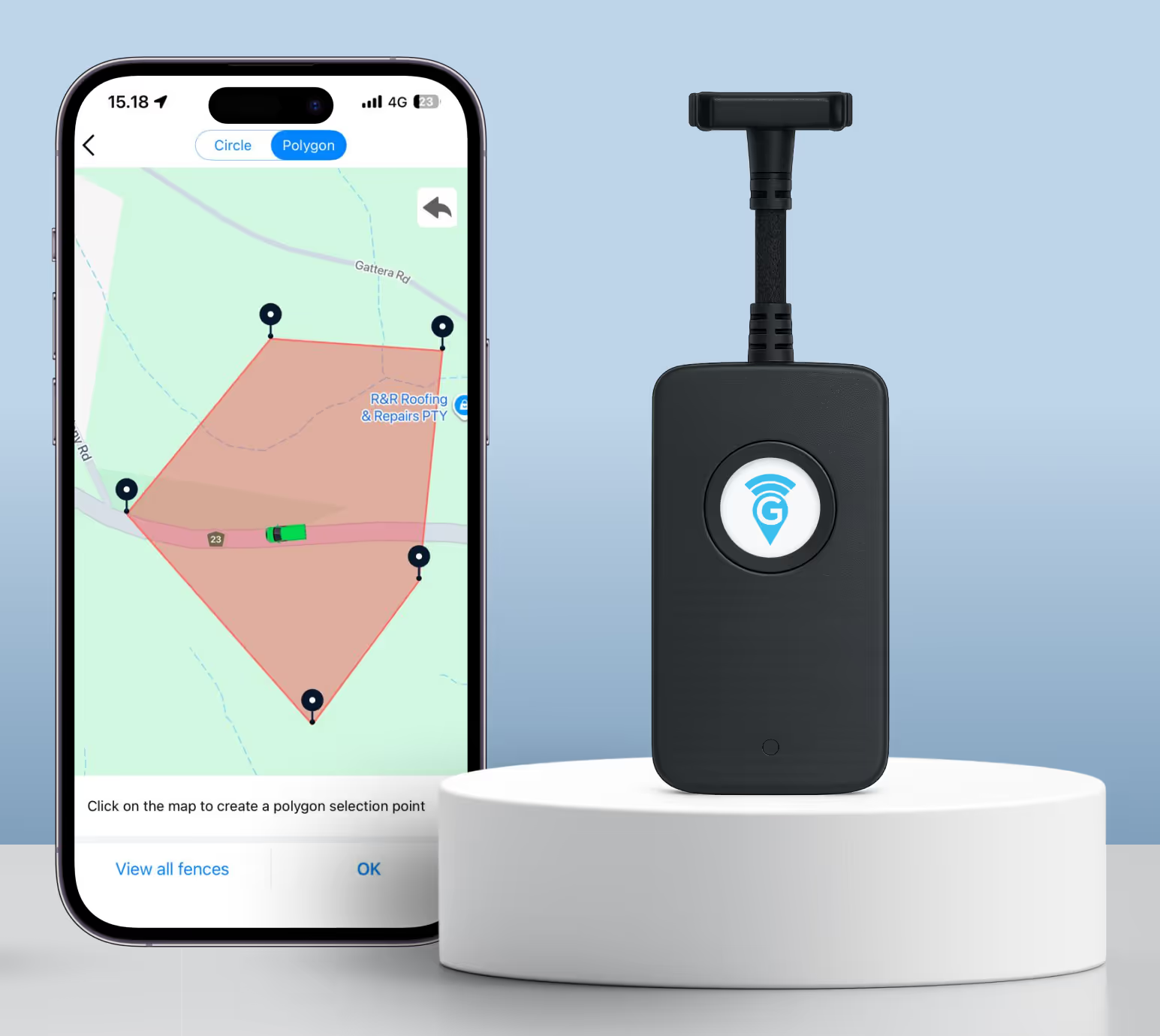
A GPS kill switch is a vehicle immobilisation feature used alongside GPStracking to prevent unauthorised vehicle use and assist with theft recovery.This article explains how GPS kill switches work, when they’re used, and whatto consider before installing one.


ALT TEXT:

GPS kill switch showing how remote vehicle immobilisationworks with GPS tracking

GPS kill switch used for vehicle theft prevention andimmobilisation


Battery Backup in GPS Trackers Explained

When choosing a GPS tracking system, one feature thatoften raises questions is battery backup. Many people assume GPS trackers arealways powered by the vehicle — so why would a backup battery be needed?

In reality, battery backup is a critical feature thatimproves reliability, security, and peace of mind. This article explains whatbattery backup in GPS trackers is, how it works, and when it really matters.

What Is Battery Backup in a GPS Tracker?

Battery backup refers to a small internal battery builtinto a GPS tracking device. Its purpose is to keep the tracker operating whenthe main power source is interrupted.

This can occur if:

  • A     vehicle battery is disconnected
  • A     GPS tracker is unplugged
  • Power     is lost intentionally or accidentally

The backup battery allows the tracker to continuefunctioning for a limited time, rather than shutting down immediately.

Why Do GPS Trackers Need Battery Backup?

GPS trackers typically rely on vehicle power, butreal-world conditions aren’t always perfect.

Battery backup is important because it:

  • Maintains     tracking during power loss
  • Enables     alerts if power is cut
  • Supports     theft detection and recovery
  • Improves     system reliability

Without battery backup, a tracker may go offline themoment power is removed.

How Battery Backup Works in Practice

When a GPS tracker detects a loss of external power:

  1. The     internal battery activates automatically
  2. The     tracker continues transmitting location data
  3. Power-loss     or tamper alerts are sent
  4. Tracking     resumes normally once power is restored

The transition is seamless and requires no user action.

How Long Does Battery Backup Last?

Battery backup duration varies depending on:

  • Battery     size
  • Tracker     model
  • Reporting     frequency

In most vehicle GPS trackers, backup batteries aredesigned to last:

  • Several     hours
  • Or     enough time to send alerts and recent location data

They are not intended for long-term standalone tracking,but for continuity and security.

When Battery Backup Is Most Important

Battery backup is especially valuable in the followingscenarios:

Theft and Tampering

If a vehicle is stolen and the main battery isdisconnected, a tracker with battery backup can:

  • Continue     reporting location
  • Send     tamper or power-loss alerts
  • Assist     in faster recovery

Fleet and Asset Protection

For fleets, battery backup helps identify:

  • Unauthorised     tracker removal
  • Power     interference
  • Vehicle     misuse

This adds an extra layer of accountability.

Hardwired GPS Trackers

Hardwired GPS trackers rely entirely on vehicle power,making battery backup particularly important if power is interrupted.

Battery Backup vs Standalone Battery GPS Trackers

It’s important to understand the difference:

  • Battery     backup supports a vehicle-powered tracker during interruptions
  • Standalone     battery GPS trackers run entirely on internal batteries

Battery-powered trackers are useful for assets withoutpower, while battery backup enhances reliability for vehicle tracking.

Does an OBD GPS Tracker Have Battery Backup?

Some OBD GPS trackers include a small internal battery,while others rely solely on vehicle power.

If battery backup is important for your use case, it’sworth confirming:

  • Whether     the tracker has an internal battery
  • What     alerts are triggered on unplugging
  • How     long backup power lasts

This is an area where quality devices outperform low-costalternatives.

Why Battery Backup Is a Sign of a Quality GPS Tracker

Professional-grade GPS trackers are designed forreal-world conditions, not just ideal scenarios.

Battery backup indicates:

  • Thoughtful     engineering
  • Focus     on reliability and security
  • Better     protection against tampering

Cheap GPS trackers often omit this feature to reduce cost— at the expense of performance.

How EzyGPS Uses Battery Backup Technology

EzyGPS GPS tracking solutions are selected and configuredto prioritise:

  • Power-loss     detection
  • Reliable     alerting
  • Continuity     of tracking

Battery backup is used to support security, reliability,and accountability, not as a marketing gimmick.

Final Thoughts: Is Battery Backup Worth It?

Yes. Battery backup is a valuable feature that improvesthe effectiveness of a GPS tracking system, especially for theft prevention andfleet management.

While it’s not designed for long-term tracking on itsown, it plays a crucial role when things don’t go to plan — which is exactlywhen you need your GPS tracker most.

Share on: