

Where Is the Best Place to Install a GPS Tracker?

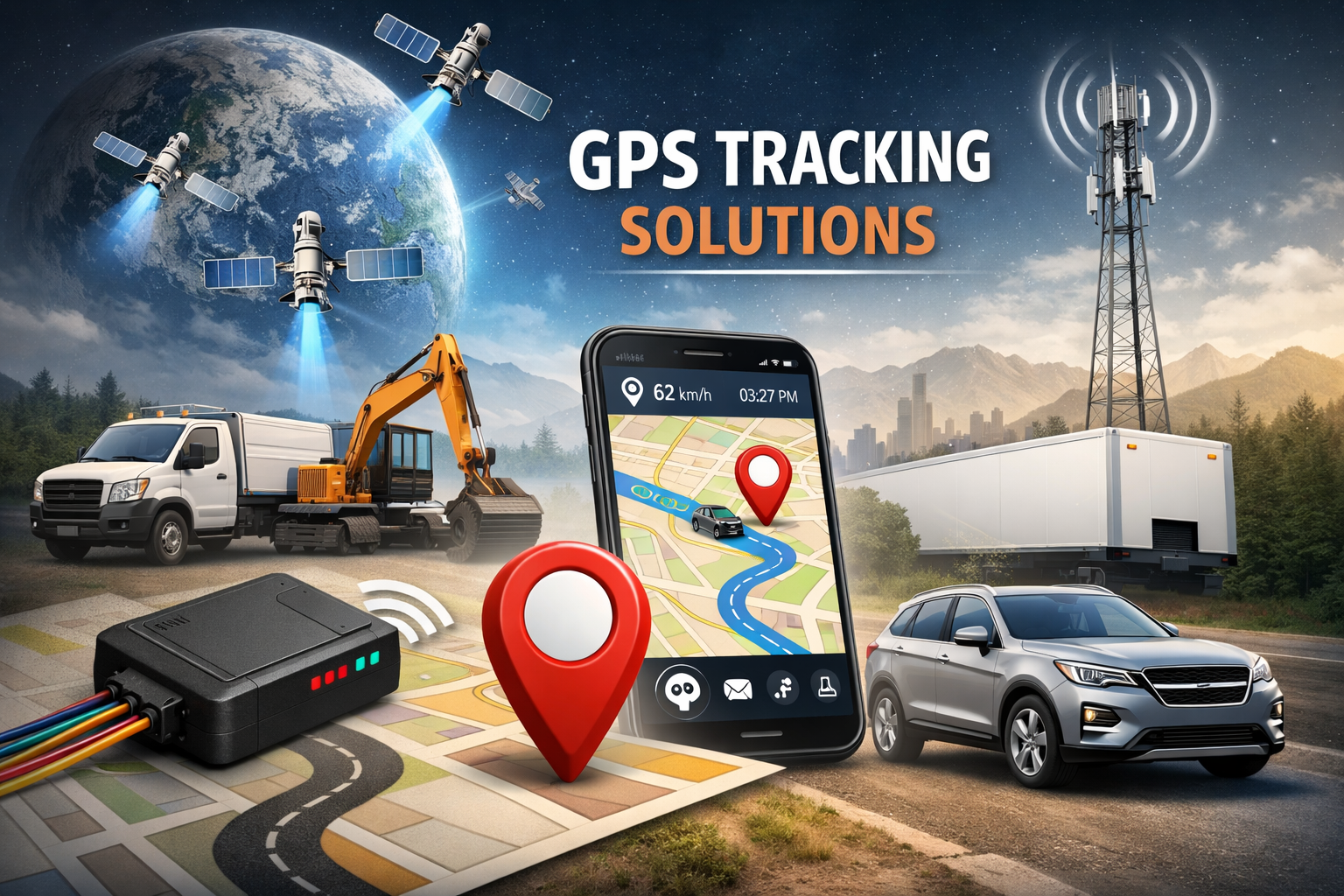
Installing a GPS tracker correctly is just as important as choosing the right device. The placement of your tracker directly affects signal strength, accuracy, concealment, and long-term reliability. Whether you’re tracking a vehicle, asset, trailer, or machinery, knowing the best place to install a GPS tracker can make all the difference.
At EzyGPS, we help customers across Australia get the most out of their GPS tracking solutions. Below, we break down the best installation locations, what to avoid, and tips to ensure optimal performance.
Why GPS Tracker Placement Matters
A GPS tracker relies on satellite signals, mobile networks, and power stability. Poor placement can lead to:
- Weak or intermittent signal
- Inaccurate location data
- Faster battery drain
- Easy detection or tampering
Correct placement ensures reliable tracking, longer battery life, and discreet protection.
Best Places to Install a GPS Tracker in a Vehicle
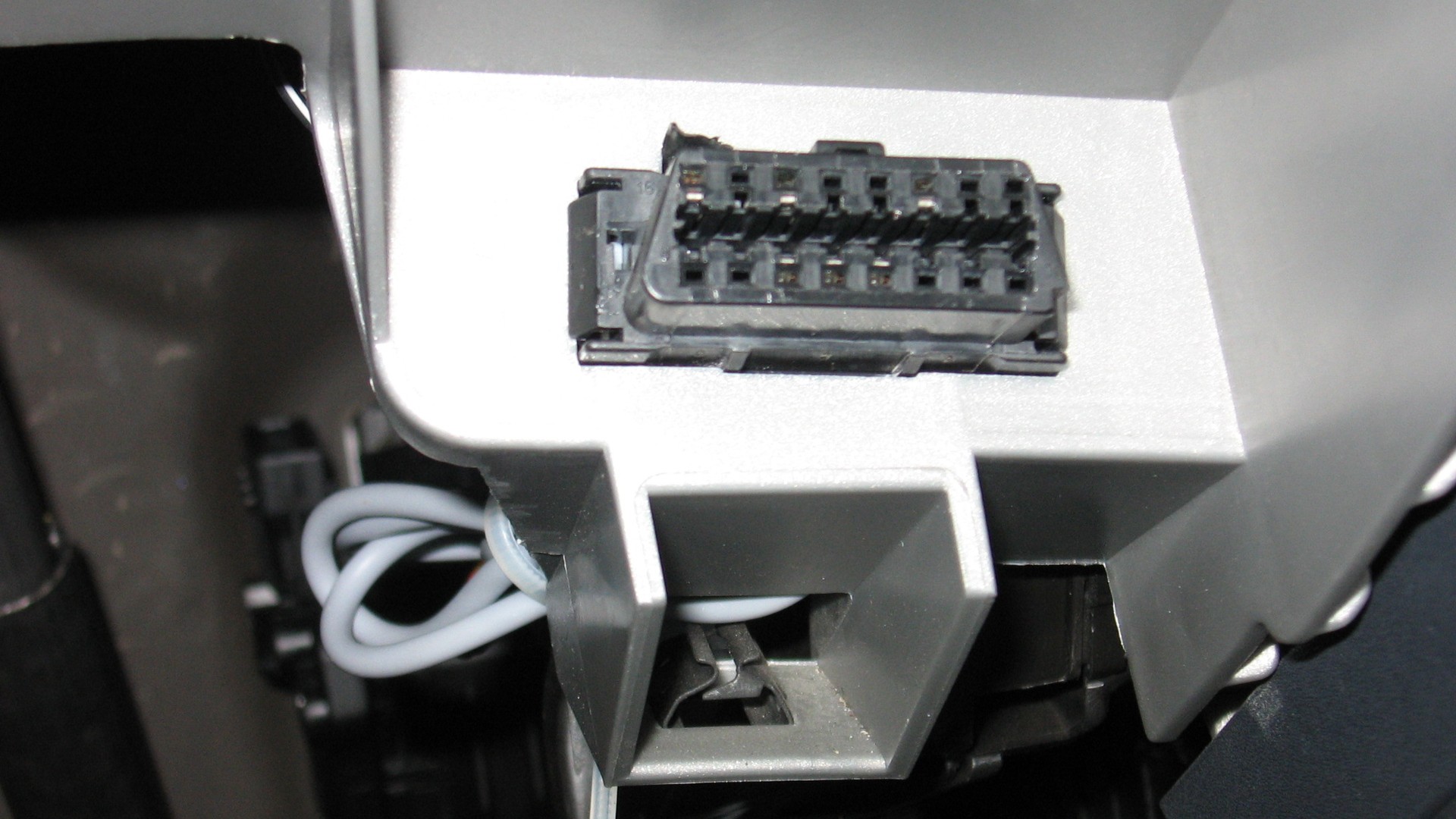
1. Under the Dashboard (Hidden but Effective)
Best for: Hardwired vehicle GPS trackers
Why it works:
- Protected from weather and tampering
- Strong signal through glass and plastic
- Access to vehicle power
This is one of the most common and effective installation points for professional-grade trackers.
2. Behind Interior Panels or Trim
Best for: Covert installations
Why it works:
- Completely hidden from view
- Minimal signal interference
- Hard to locate or remove
Ideal for theft prevention or fleet monitoring where discretion is critical.
3. Under the Vehicle (Magnetic, Waterproof Trackers)
Best for: Battery-powered or magnetic trackers
Why it works:
- Quick installation
- No wiring required
- Suitable for trailers and temporary tracking
Important: Only use trackers rated IP67 or IP68 waterproof, and avoid metal enclosures that block GPS signals.
4. Inside the Boot or Rear Cargo Area
Best for: Asset and fleet tracking
Why it works:
- Protected and discreet
- Easy to install
- Reliable signal through non-metal surfaces
A practical option for vehicles with limited dashboard access.
Best Places to Install GPS Trackers on Assets & Equipment
For trailers, plant equipment, containers, or machinery:
- Inside toolboxes or compartments
- Under non-metal covers
- Inside engine bays (away from heat sources)
- Within chassis cavities (if signal access remains clear)
The key is concealment without blocking satellite reception.
Places to Avoid Installing a GPS Tracker
🚫 Directly on metal surfaces (can block GPS signals)
🚫 Near high heat sources (engine blocks, exhausts)
🚫 Near strong electrical interference
🚫 Visible or easy-to-reach areas (risk of removal)
Battery vs Hardwired Trackers: Placement Differences
Battery-Powered Trackers
- Flexible placement
- No wiring needed
- Best for trailers, assets, and covert use
- Must balance concealment with signal access
Hardwired Trackers
- Continuous power
- Ideal for vehicles and fleets
- Require professional or guided installation
- Typically hidden behind dashboards or panels
Professional Installation vs DIY
While many GPS trackers are designed for easy installation, professional installation offers:
- Optimal placement
- Secure wiring
- Reduced risk of faults
- Clean, hidden finish
At EzyGPS, we provide guidance to ensure your tracker is installed correctly — whether DIY or professionally fitted.
Final Thoughts: The Best Place Depends on Your Needs
There’s no one-size-fits-all answer. The best place to install a GPS tracker depends on:
- The type of tracker
- The asset being tracked
- Whether you need covert monitoring
- Power requirements
If you’re unsure, our team is always here to help.
Need Help Choosing or Installing a GPS Tracker?
Visit www.ezygps.com.au or contact the EzyGPS team for expert advice, reliable GPS tracking solutions, and ongoing support across Australia.
Continue researching
Useful EZY GPS product and setup resources
Compare tracker types, review plan pricing and follow practical installation guidance after reading an EZY GPS article.