

Does GPS Tracking Drain a Car Battery?

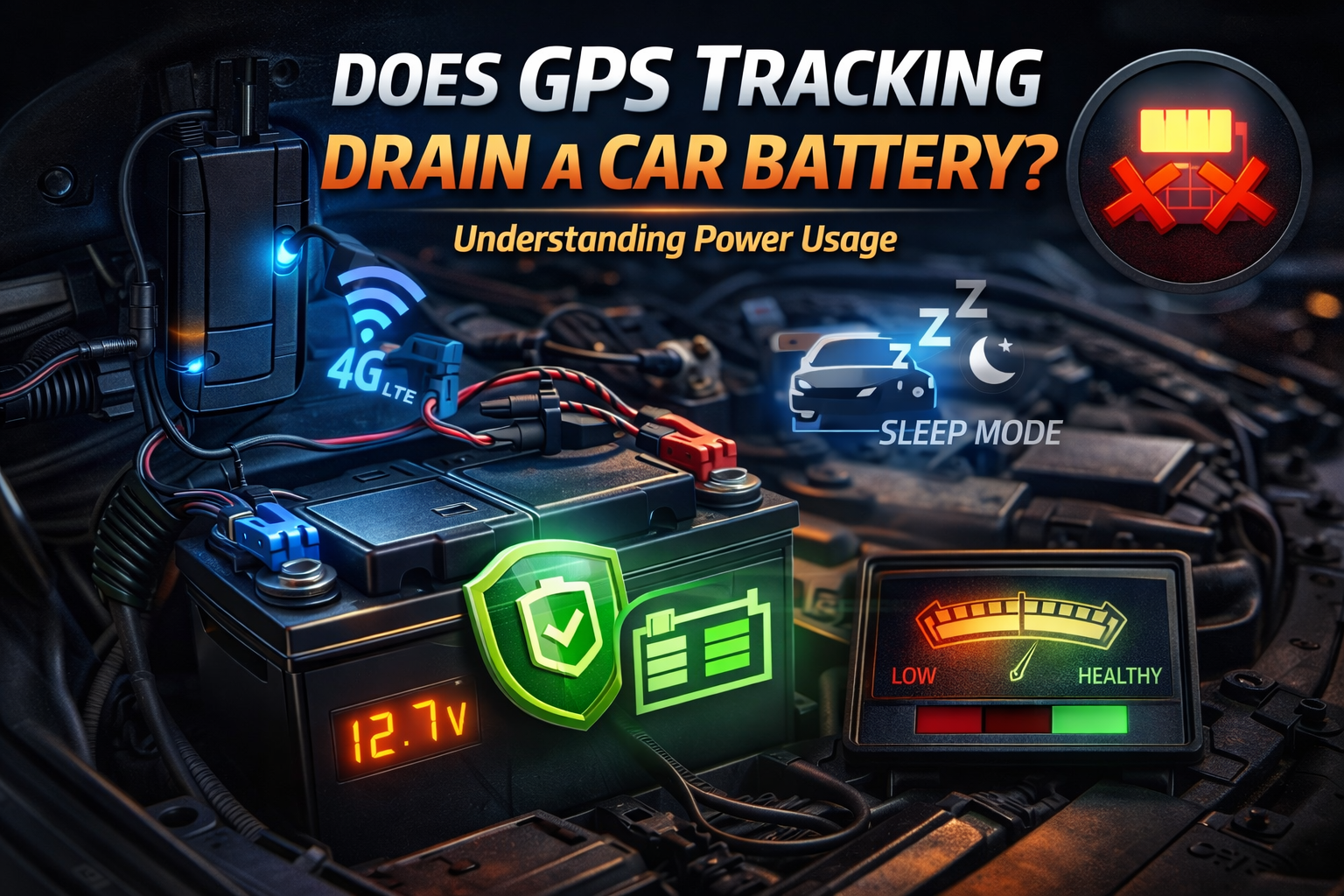
One of the most common questions vehicle owners and fleet managers ask before installing a GPS tracker is:
“Will a GPS tracker drain my car battery?”
The short answer is no — not when installed correctly and using modern GPS tracking technology. Below, we explain how GPS trackers use power, what affects battery drain, and why today’s systems are designed to be safe for your vehicle.
How Does a GPS Tracker Get Power?
Most vehicle GPS trackers fall into two main categories:
1. Hardwired GPS Trackers
These are professionally installed and draw a very small amount of power directly from the vehicle’s electrical system. They are designed to operate efficiently without impacting battery health.
2. Battery-Powered GPS Trackers
These units have their own internal battery and do not rely on the vehicle at all. Battery life varies depending on usage, reporting frequency, and signal strength.
At EzyGPS, we primarily supply low-power, commercial-grade hardwired trackers designed for long-term use.
How Much Power Does a GPS Tracker Use?
A modern GPS tracker typically uses less power than a car alarm or clock.
On average:
- Power draw is measured in milliamps
- When the vehicle is off, the tracker enters sleep or standby mode
- When driving, power usage increases slightly to transmit data
In real-world conditions, this level of power consumption is negligible for a healthy car battery.
Can GPS Tracking Drain the Battery Over Time?
In normal conditions, no.
Battery drain usually only occurs if:
- The vehicle battery is already weak or failing
- The tracker is installed incorrectly
- Non-approved or low-quality devices are used
- The vehicle is left unused for extended periods (weeks or months)
Even then, a GPS tracker is rarely the primary cause — it simply exposes an existing battery issue.
What Happens When the Vehicle Is Parked?
Modern GPS trackers are designed with intelligent power management, including:
- 🔋 Sleep mode when ignition is off
- 🕒 Timed check-ins instead of constant reporting
- ⚡ Ultra-low standby current
- 🚗 Wake-on-movement technology
This ensures the tracker remains active without unnecessary power draw.
What About Long-Term Parking?
If a vehicle is parked for a long time (for example, caravans, machinery, or seasonal vehicles), EzyGPS can recommend:
- Battery-powered GPS trackers
- Reduced reporting intervals
- Optional battery voltage alerts
- Solar-assisted tracking options (for assets)
These solutions eliminate any risk of battery drain.
Will GPS Tracking Affect Vehicle Electronics?
No. When installed professionally, GPS trackers are:
- Non-invasive
- Isolated from critical vehicle systems
- Compatible with modern vehicles, including start-stop systems
EzyGPS trackers are tested to work safely with cars, trucks, vans, machinery, and fleets.
How EzyGPS Prevents Battery Issues
At EzyGPS, we focus on reliability and vehicle safety. Our solutions include:
- ✅ Low-power 4G GPS tracking devices
- ✅ Professional installation options
- ✅ Sleep and voltage protection features
- ✅ Battery health monitoring
- ✅ Ongoing local support
If voltage drops below a safe level, alerts can be triggered to protect your vehicle.
Final Verdict: Will a GPS Tracker Drain My Battery?
No — not when you use a quality GPS tracker installed correctly.
Modern GPS tracking systems are designed to work efficiently in the background without affecting your vehicle’s battery. For most vehicles, the power usage is so small it’s virtually unnoticeable.
If you’re concerned about battery health or have a specific vehicle setup, the EzyGPS team is happy to help you choose the right solution.
👉 Learn more at www.ezygps.com.au or contact us for expert advice.
Continue researching
Useful EZY GPS product and setup resources
Compare tracker types, review plan pricing and follow practical installation guidance after reading an EZY GPS article.