


Is GPS Tracking Legal in Australia?

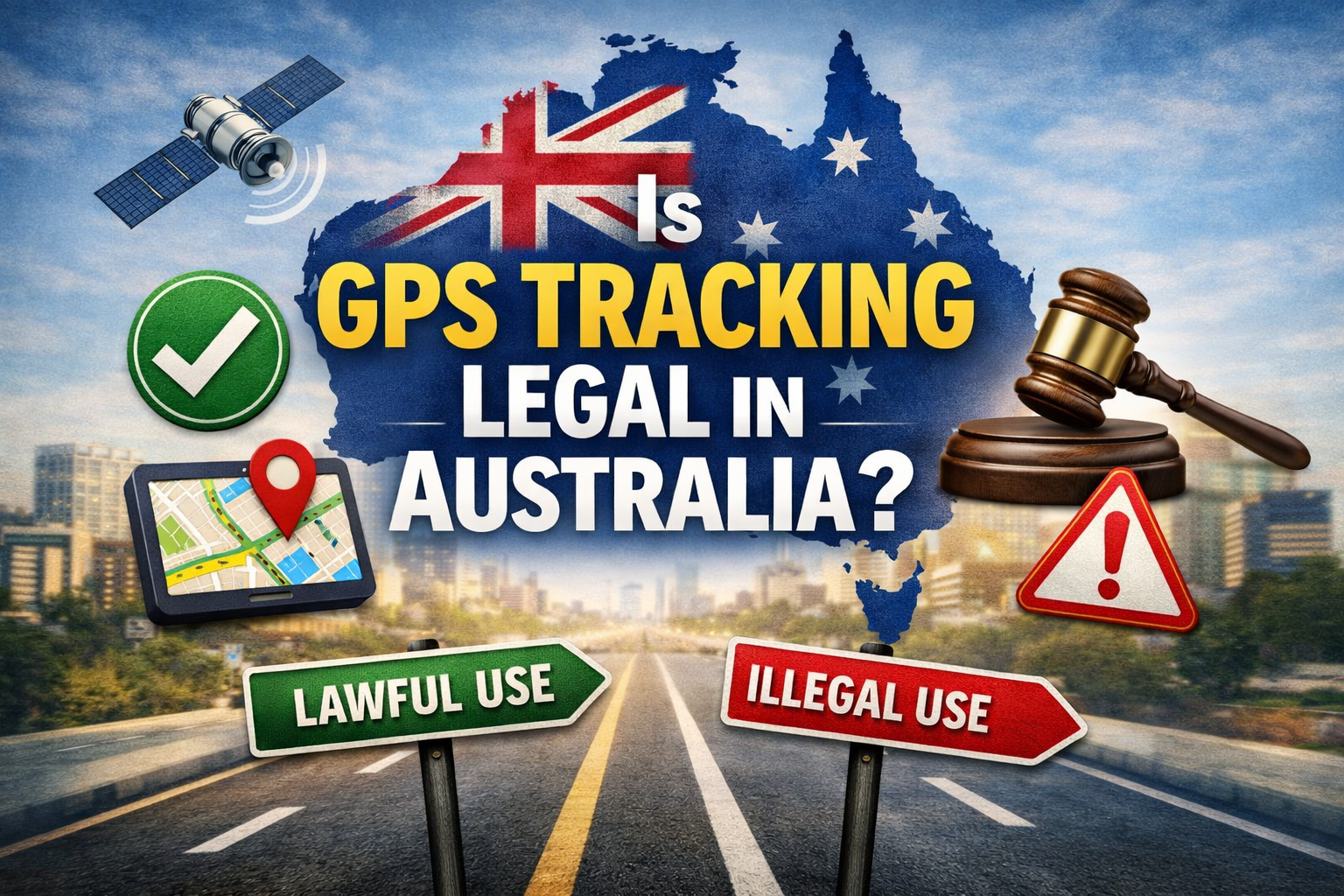
GPS tracking is widely used across Australia by businesses, fleet operators, and private individuals. However, because tracking involves location data and sometimes people’s movements, it is natural to ask:
Is GPS tracking legal in Australia?
The short answer is: Yes, GPS tracking is legal in Australia — when used correctly and lawfully.
This article explains what is legal, what is not, and what you need to consider before using GPS tracking.
Is GPS Tracking Legal?
Yes. GPS tracking is legal in Australia, provided it is used in compliance with:
- Privacy laws
- Workplace surveillance laws
- State and federal legislation
- Consent requirements
The legality depends not on the technology itself, but on how and where it is used.
GPS Tracking Your Own Vehicle
If you own the vehicle, you are generally permitted to install and use a GPS tracker on it.
This includes:
- Personal vehicles
- Company-owned vehicles
- Fleet vehicles
- Business assets
As the owner, you are entitled to track your own property.
GPS Tracking in Business and Fleets
Businesses across Australia legally use GPS tracking for:
- Fleet management
- Job dispatching
- Vehicle security
- Asset tracking
- Compliance and reporting
However, when employees use the vehicles, additional obligations apply.
Workplace GPS Tracking and Employees
If a GPS tracker is installed in a vehicle used by employees, employers must comply with:
- Workplace surveillance laws
- Privacy legislation
- Employment regulations
- Fair Work obligations
In practical terms, this means:
- Employees must be informed that tracking is in place
- Tracking should be for legitimate business purposes
- Policies should be in place explaining how tracking is used
Secretly tracking employees without disclosure may be unlawful.
GPS Tracking Someone Else’s Vehicle
Placing a GPS tracker on a vehicle that you do not own and do not have permission to track may be illegal.
This can fall under:
- Privacy law breaches
- Surveillance offences
- Stalking or harassment laws
You should never install a GPS tracker on another person’s vehicle without lawful authority and consent.
Consent and Notification
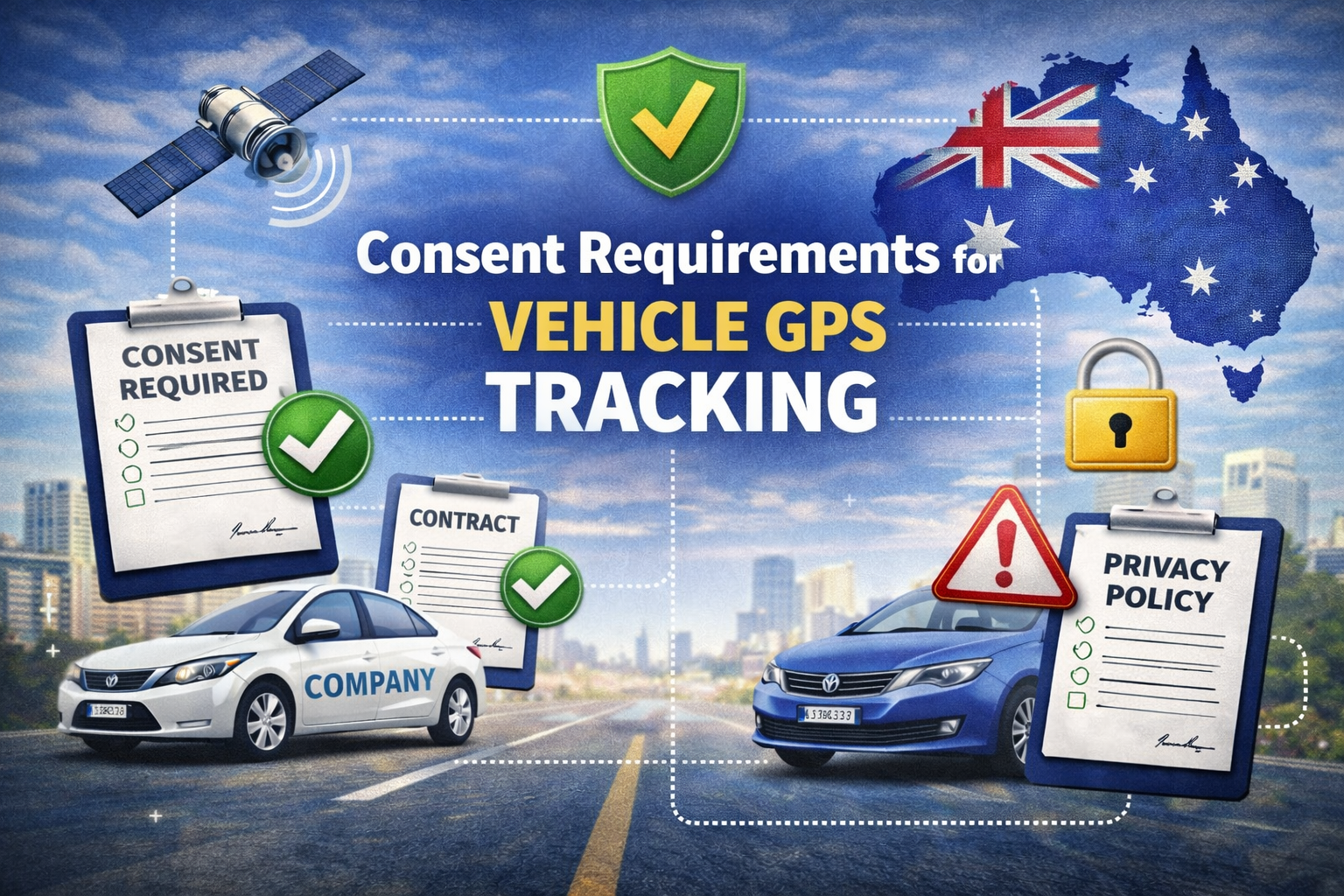
Consent is a key concept in GPS tracking.
Best practice is:
- Informing drivers or users that tracking is in place
- Including tracking disclosure in policies, contracts, or agreements
- Being transparent about how data is used
Consent protects both the user and the business.
State Differences in Surveillance Laws
Australia does not have one single surveillance law. Each state has its own legislation.
For example:
- NSW: Workplace Surveillance Act
- VIC: Surveillance Devices Act
- QLD: Invasion of Privacy Act
- WA, SA, ACT, NT: Various surveillance and privacy laws
While the specifics differ, the principles are similar:
- No covert surveillance without authority
- Consent is important
- Legitimate purpose is required
If you operate across multiple states, you should follow the strictest standard.
GPS Tracking for Parents and Family Use
Using GPS tracking for:
- Family vehicles
- Teen drivers
- Elderly family members
Is generally legal when done transparently and with consent.
Covert tracking of family members without their knowledge may raise legal and ethical issues.
GPS Tracking for Theft Prevention
Using GPS tracking for:
- Theft prevention
- Vehicle recovery
- Asset protection
Is legal and very common across Australia.
This includes:
- Personal vehicles
- Work vehicles
- Machinery and equipment
- Rental and hire vehicles
As long as the vehicle is yours or you have authority, this is lawful.
GPS Tracking and Privacy
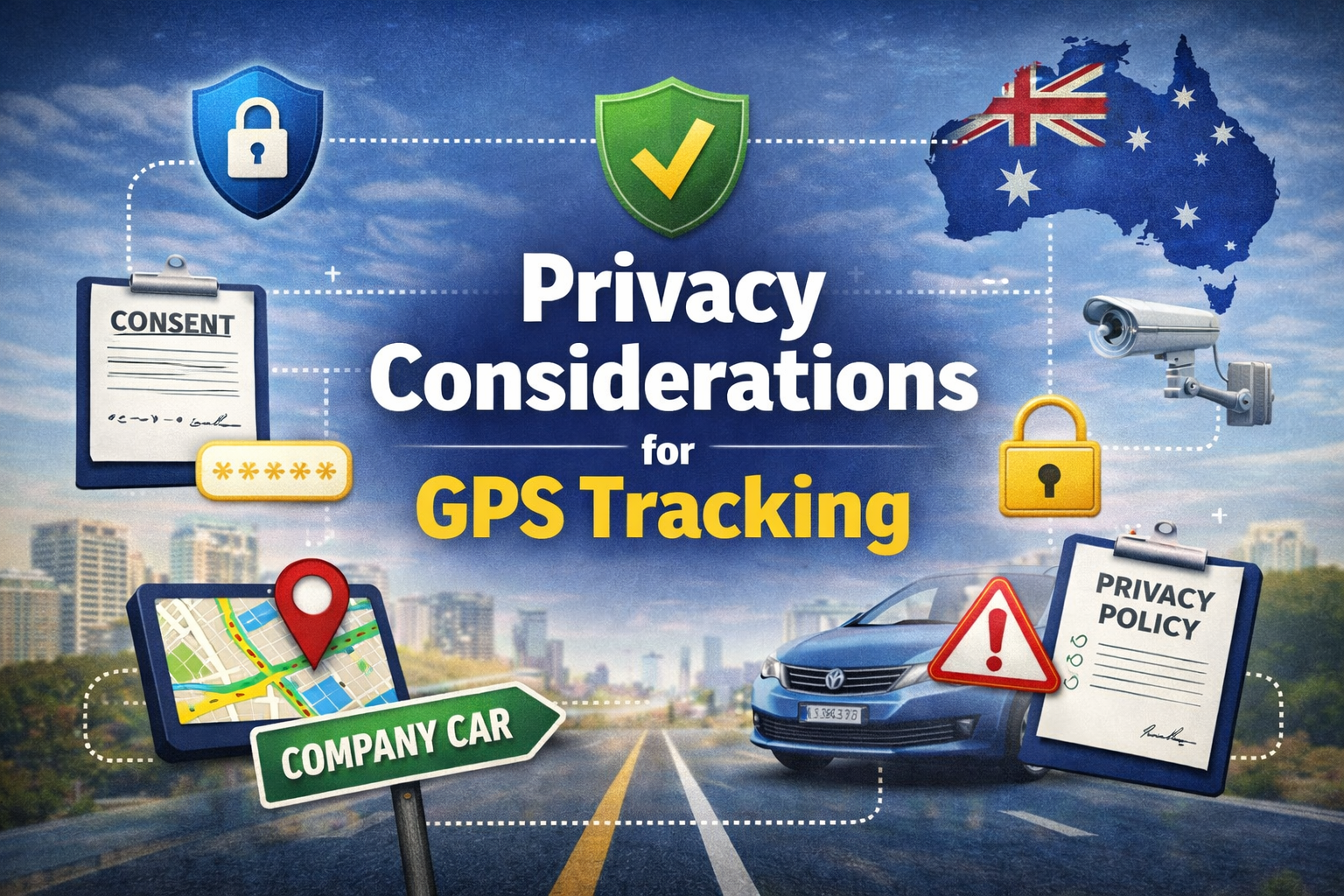
GPS tracking involves personal information because location data can identify a person’s movements.
This means:
- Businesses must handle data responsibly
- Data should only be used for legitimate purposes
- Access should be restricted to authorised users
- Data should be stored securely
Australian privacy laws require reasonable steps to protect personal information.
Is It Legal to Use a GPS Kill Switch?
Some GPS trackers support engine immobilisation (kill switch) features.
These are legal when:
- Installed professionally
- Used responsibly
- Activated only when the vehicle is safely stationary
- Used in compliance with the law
Kill switches must never be used in a way that endangers people or property.
What Is NOT Legal
Examples of illegal or risky use include:
- Tracking someone’s vehicle without their knowledge or consent
- Secretly monitoring employees without disclosure
- Using tracking to harass, stalk, or intimidate
- Tracking vehicles you do not own or control
GPS tracking must never be used for unlawful or unethical purposes.
Who Is Responsible for Lawful Use?
The responsibility lies with the person or business using the tracker.
GPS providers supply the technology, but:
- Users must ensure lawful use
- Users must obtain any required consent
- Users must comply with all relevant laws
This is standard across the GPS and telematics industry.
Final Thoughts
GPS tracking is legal in Australia and widely used by individuals and businesses. The key is how it is used.
If you:
- Own the vehicle or have authority
- Inform users where required
- Use tracking for legitimate purposes
- Respect privacy and consent
Then GPS tracking is a lawful and valuable tool.


Continue researching
Useful EZY GPS product and setup resources
Compare tracker types, review plan pricing and follow practical installation guidance after reading an EZY GPS article.