


Installer Manual
Overview
This manual outlines the standard installation practices required when installing EZY GPS tracking devices, relay harnesses and wiring systems.
The goal is to ensure all installations are:
- Safe
- Reliable
- Professionally presented
- Consistent across all installers
- Compliant with automotive electrical best practices
All installers should follow these guidelines to ensure reliable system performance and maintain warranty compliance.
Installation Components
A typical EZY GPS installation kit may include:
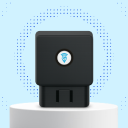
- EZY GPS tracker unit
- Power wiring harness
- Relay harness (for immobiliser installations)
- Inline fuse
Before beginning, inspect all components for damage to wiring harnesses, connectors, and device housings.
Safety Requirements
Before starting installation:
- Confirm the vehicle battery condition and voltage
- Identify suitable mounting locations
- Avoid areas exposed to heat or moisture
- Avoid moving parts or steering components
- Avoid wiring associated with airbags or safety systems
When installing immobilisation systems,disconnect the negative battery terminalbefore cutting wires.
Wiring Standards
Red Wire | Constant battery power (12V+) | Install a 3A inline fuse within 150mm of the power source |
Black Wire | Ground / chassis earth | Use a factory earth point or properly prepared chassis ground |
Orange Wire | Ignition / ACC signal | Install a 3A inline fuse within 150mm of the power source |
Yellow Wire | Immobiliser trigger wire | Used when installing an engine immobilisation relay |
Wiring Requirements
Installers should:
- Use automotive-grade copper wiring
- Solder or professionally crimp all electrical joins
- Properly insulate all connections
- Secure wiring using loom tape or conduit
Installers must not use:
- Scotch lock connectors
- Poorly crimped joins
- Exposed wiring
Relay / Immobiliser Installation
The immobiliser relay is used to interrupt the vehicle starter motor circuit.
For anormally closed (NC) relay installation:
- Identify the correct starter motor signal wire
- Cut the wire cleanly
- Route both ends through the relay
- Install a fuse on the relay control circuit if required
Immobilisation must only interrupt thestarter motor circuit. Installers must never install on:
- ECU power feeds
- CANBUS communication wiring
- Fuel pump circuits
- Factory safety systems
Incorrect immobiliser installation can cause serious vehicle faults.
Mounting Standards
Tracker Placement
- Recommended locations: upper dashboard cross beam, behind dashboard panels, behind the glove box.
- Avoid: near heat sources, moisture, beneath heavy metal surfaces.
- Mount the device with the logo facing upward toward the windscreen.
- Secure using automotive-grade double-sided tape or cable ties. The tracker must not move or rattle.
Harness Routing
Wiring should follow factory loom paths wherever possible. Installers should:
- Secure wiring using cloth loom tape
- Avoid sharp metal edges
- Avoid steering column movement
- Avoid areas where trim panels may pinch wiring
Relay Mounting
Mount the immobiliser relay at least 300mm away from the tracker for improved concealment and security.
Recommended Installation Workflow
Testing and Commissioning
After installation confirm:
- The device powers on
- GPS signal is acquired
- Mobile network signal is acquired
- The device appears online in the platform
- Ignition status updates correctly
- The vehicle starts normally
- No dashboard warning lights appear
If an immobiliser is installed:
- Confirm the vehicle starts normally when immobiliser is off
- Confirm the starter circuit is disabled when immobilised
The installer should remain with the vehicle until full functionality is confirmed.
Quality Control Checklist
Before returning the vehicle to the customer, confirm:
- Wiring is secured and hidden
- Device and relay are securely mounted
- No exposed wiring is visible
- Vehicle starts and stops normally
- Customer login has been verified
Warranty Compliance
Failure to follow EZY GPS installation standards may void installation warranty coverage.
All installers must follow these guidelines to maintain system reliability, vehicle safety, and warranty compliance.
Still Need Help or Have Another Question?