
What Is GPS Tracking and How Does It Work in Australia?

GPS tracking is widely used across Australia for vehicles, fleets, equipment, and personal security. From tradies managing work vehicles to businesses running large fleets, GPS tracking provides real-time visibility, accountability, and peace of mind. But what exactly is GPS tracking, and how does it work in an Australian context?
This guide explains GPS tracking in simple terms, how it functions technically, and what Australians should know before choosing a GPS tracking solution.
What Is GPS Tracking?
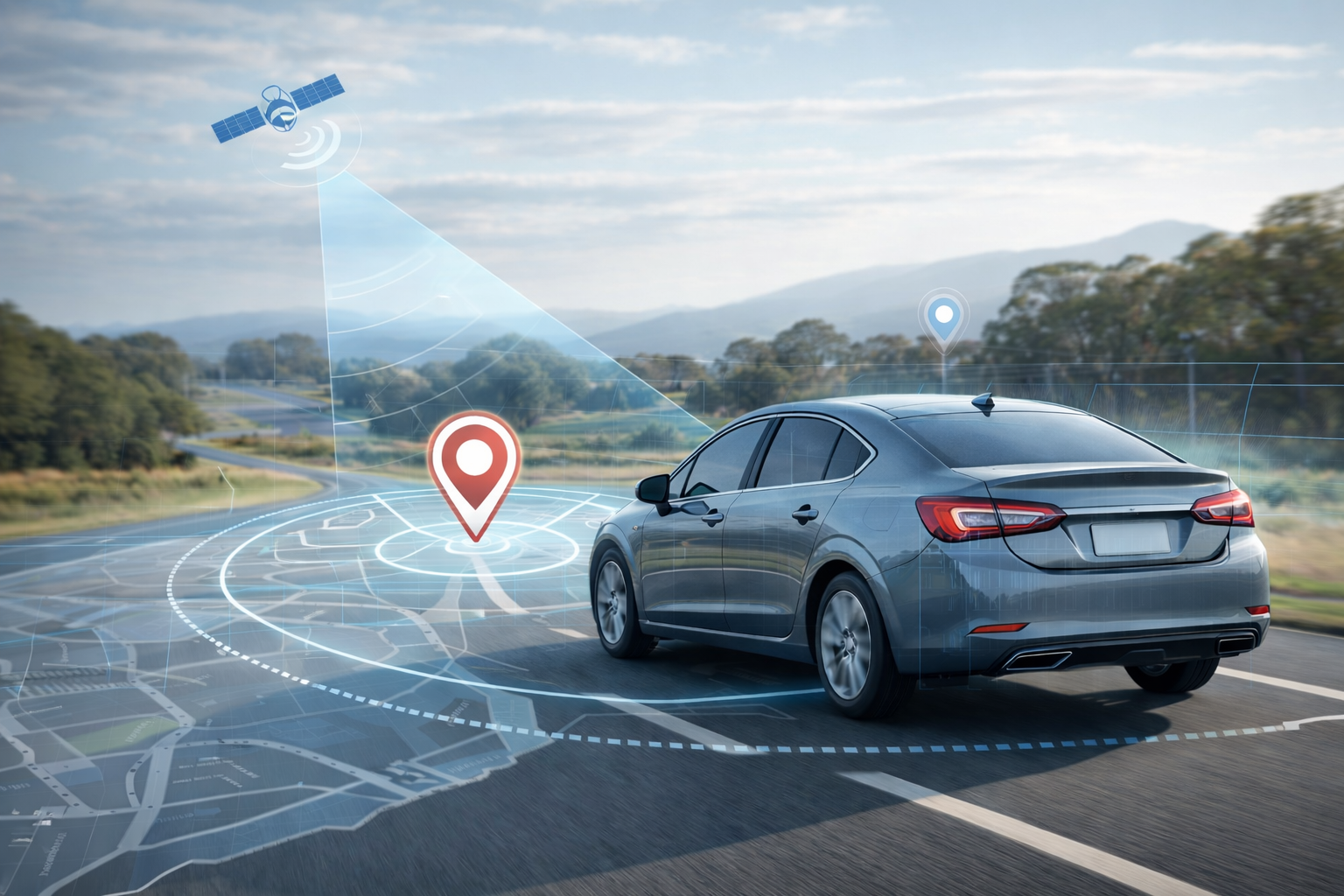
GPS tracking is the process of using satellites to determine the real-time or historical location of an object, most commonly a vehicle. A GPS tracker collects location data and transmits it to a secure platform where it can be viewed through an app or web dashboard.
In Australia, GPS tracking is commonly used for:
- Vehicle theft prevention
- Fleet and business vehicle management
- Monitoring personal or family vehicles
- Tracking machinery and assets in remote areas
- Improving safety, efficiency, and compliance
How GPS Tracking Works (Step by Step)
1. GPS Satellites Determine Location
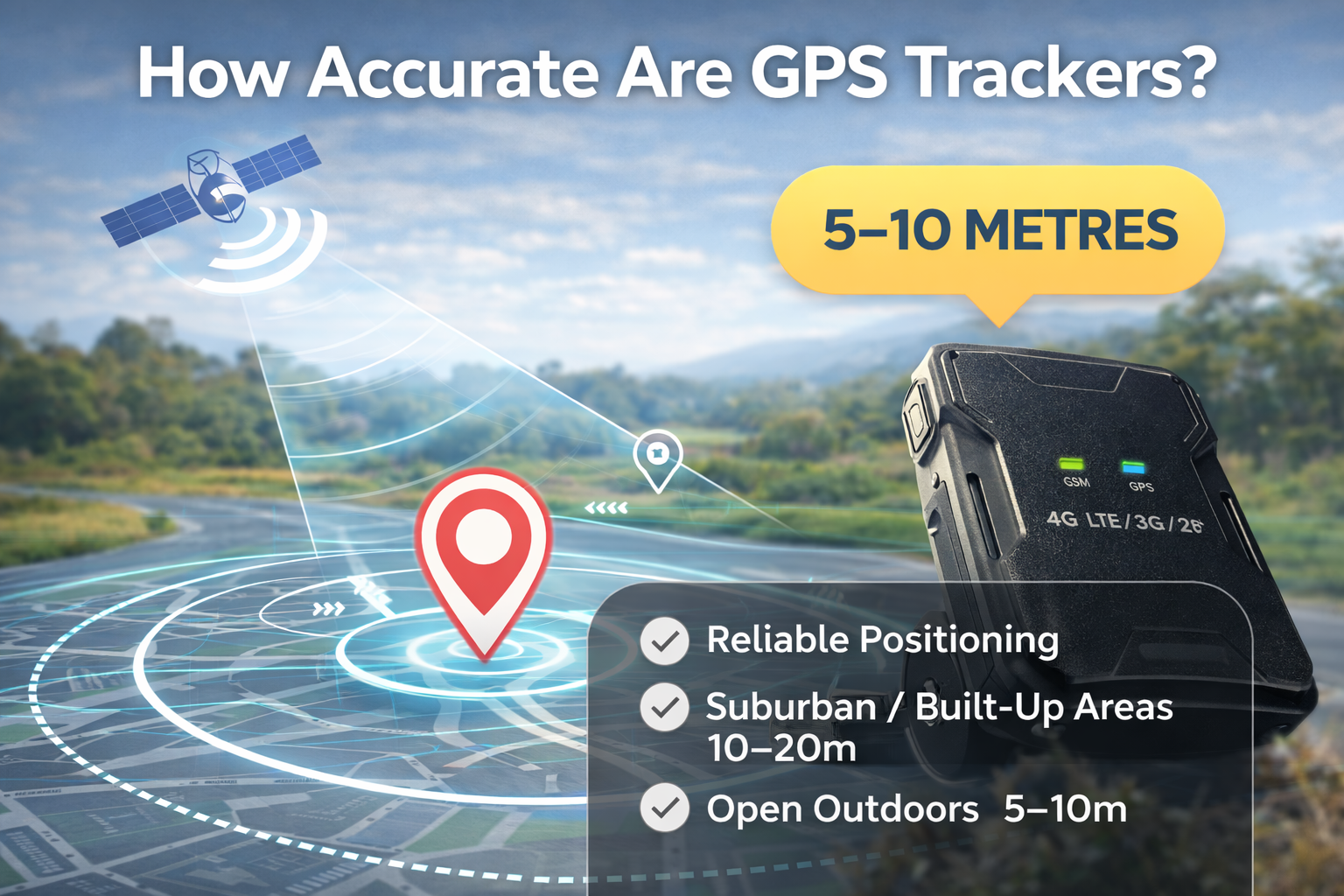
GPS (Global Positioning System) satellites orbit the Earth and continuously transmit signals. A GPS tracker receives signals from multiple satellites to calculate its precise location using triangulation.
This works anywhere in Australia with a clear view of the sky, including cities, highways, and most rural areas.
2. The GPS Tracker Collects Data
Once the tracker calculates its location, it records data such as:
- Latitude and longitude
- Speed
- Direction of travel
- Time and date
- Ignition status (on compatible devices)
Some trackers also record additional data like battery voltage or harsh driving events.
3. Data Is Sent via the Mobile Network
The GPS tracker uses a SIM card to transmit location data through Australia’s mobile networks (such as Telstra or Optus).
This is an important distinction:
- GPS determines where the device is
- The mobile network sends that data to the platform
If the vehicle temporarily loses coverage, the tracker stores data and uploads it once signal is restored.
4. Location Is Displayed in an App or Dashboard
The transmitted data appears in a mobile app or web platform where users can:
- View live vehicle locations
- See trip history and routes
- Set alerts (speeding, movement, geofences)
- Generate reports for business or compliance
This is how users interact with GPS tracking day to day.
Types of GPS Tracking Used in Australia
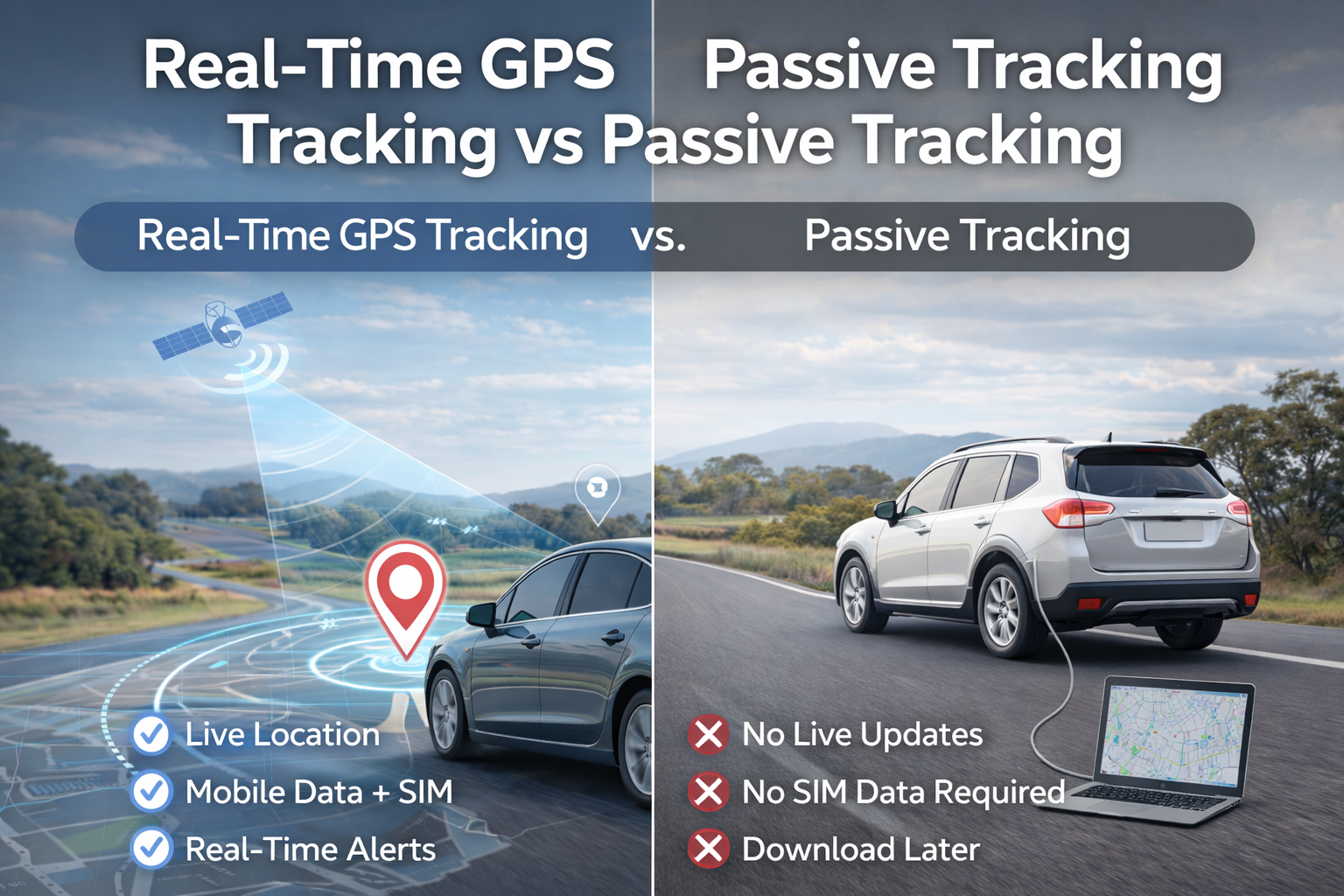
Real-Time GPS Tracking
Provides live location updates every few seconds or minutes. This is the most common option for vehicles and fleets.
Passive GPS Tracking
Stores location data on the device and requires manual downloading later. Less common today and not ideal for theft prevention.
Most Australian users choose real-time GPS tracking due to improved coverage and reliability.
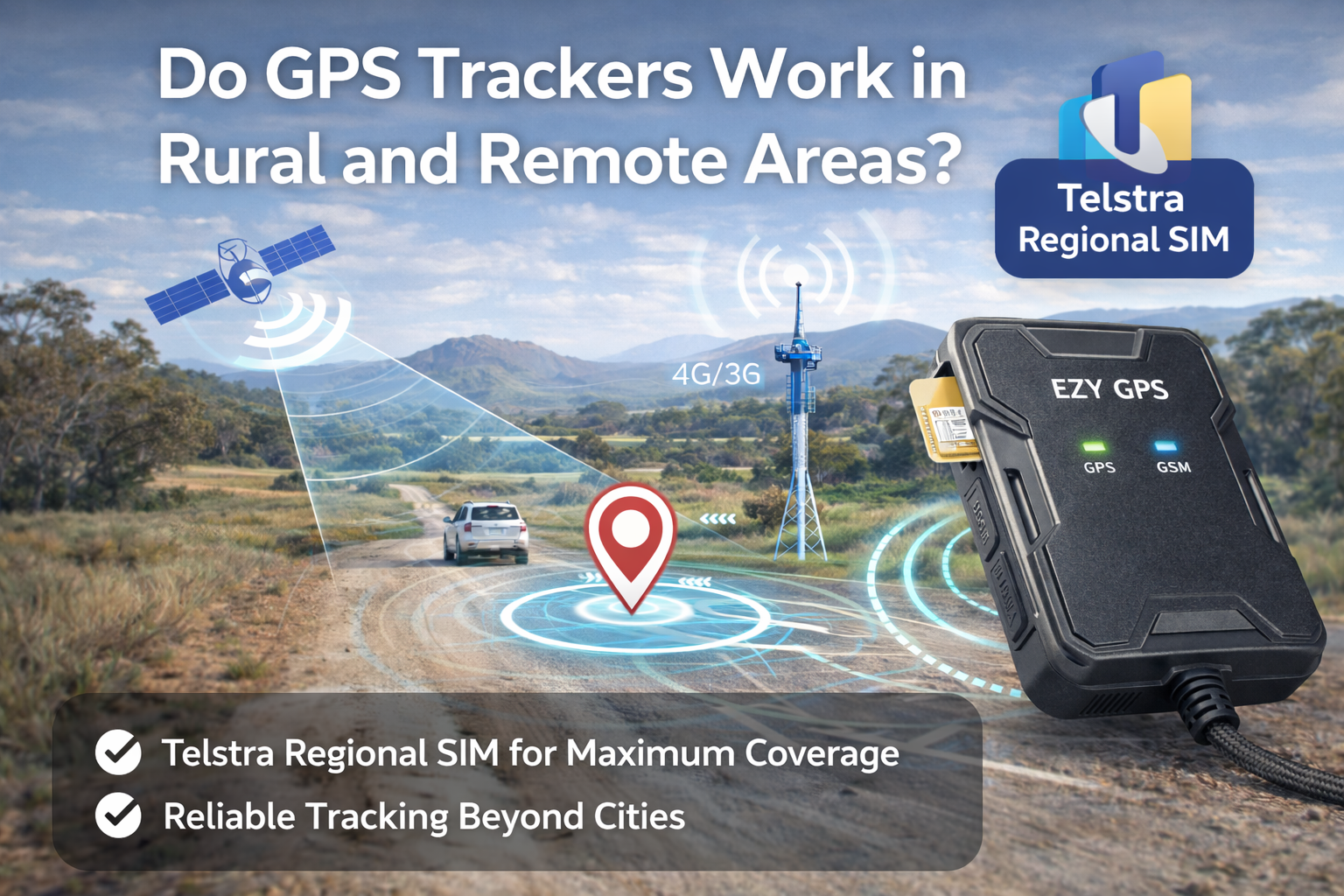
Does GPS Tracking Work in Rural and Remote Australia?
GPS itself works nationwide, including remote regions. However, data transmission depends on mobile coverage.
Key points:
- GPS satellites work everywhere
- Mobile coverage determines live updates
- Devices with strong Telstra coverage perform best in rural areas
- Trackers store data when out of signal and upload later
For regional or remote use, network choice and device quality matter.
Is GPS Tracking Legal in Australia?
GPS tracking is legal in Australia when used correctly.
General principles:
- You can track vehicles you own
- Employers can track company vehicles with proper disclosure
- Tracking someone else’s vehicle without consent may breach privacy laws
Businesses should always inform drivers that GPS tracking is in use. Laws vary slightly by state, but transparency is key.
Common Uses of GPS Tracking in Australia
- Preventing and recovering stolen vehicles
- Monitoring fleet efficiency and driver behaviour
- Verifying job times for trades and service vehicles
- Tracking vehicles used by family members
- Managing rental or hire fleets
GPS tracking has become a standard operational tool across many Australian industries.
What to Consider When Choosing a GPS Tracker
Before choosing a GPS tracker in Australia, consider:
- Network coverage (Telstra vs Optus)
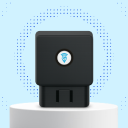
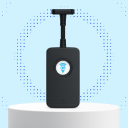
- OBD vs hardwired installation
- Battery backup features
- App usability and reporting
- Long-term cost of SIM and data plans
The right setup depends on whether the tracker is for personal use, business fleets, or security purposes.
Final Thoughts
GPS tracking in Australia is reliable, widely used, and highly effective when paired with the right device and network. Understanding how it works helps you choose a solution that delivers accurate tracking, strong coverage, and long-term value.
This article forms the foundation for more detailed guides on vehicle tracking, fleet solutions, and GPS tracker types.
Continue researching
Useful EZY GPS product and setup resources
Compare tracker types, review plan pricing and follow practical installation guidance after reading an EZY GPS article.