


How a Fleet Saved Money Using GPS Tracking

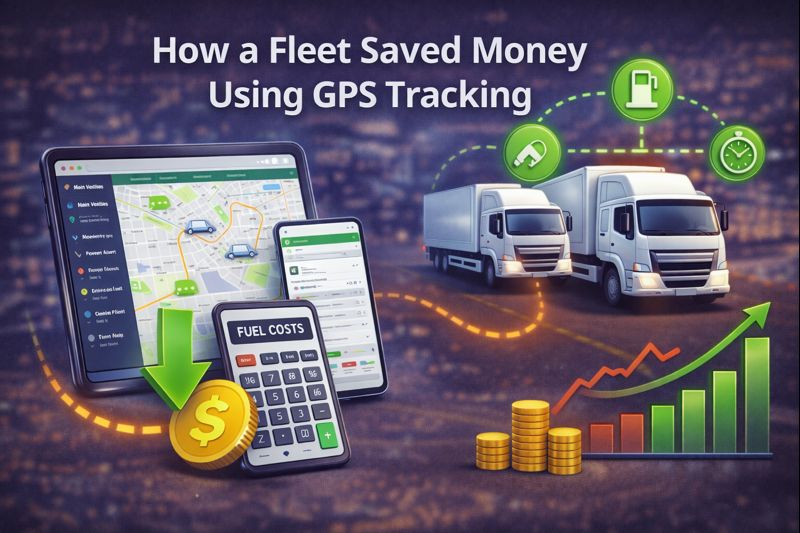
Reducing fleet operating costs is a priority for many Australian businesses. GPS tracking provides data that helps fleets identify inefficiencies that are otherwise hard to see.
This case study explains how a fleet used GPS tracking insights to reduce costs and improve efficiency.
The Challenge
A growing fleet was experiencing:
- Rising fuel costs
- Inconsistent vehicle usage
- Limited visibility over daily operations
While vehicles were busy, there was little data to understand where time and fuel were being lost.
What GPS Tracking Revealed
After installing GPS tracking, the fleet gained visibility into:
- Idle time across vehicles
- Route efficiency
- Vehicle utilisation patterns
- Unnecessary after-hours movement
This data highlighted several areas where improvements could be made.
Changes Made
Based on GPS insights, the business:
- Reduced unnecessary idling
- Improved route planning
- Adjusted vehicle allocation
- Reduced after-hours vehicle use
No major operational overhaul was required — just betterinformation.
The Outcome
Over time, the fleet experienced:
- Lower fuel usage
- Improved vehicle utilisation
- Reduced operating costs
- Better accountability
Even modest efficiency improvements delivered meaningful savings across multiple vehicles.
Key Takeaway
GPS tracking doesn’t just show where vehicles are — it helps businesses make informed decisions that reduce ongoing costs.

Continue researching
Useful EZY GPS product and setup resources
Compare tracker types, review plan pricing and follow practical installation guidance after reading an EZY GPS article.