
GPS Tracking for Mining and Remote Fleets


Mining and remote operations depend on reliability, visibility, and asset control. Whether operating haul trucks, light vehicles, plant equipment, or support fleets, knowing where assets are and how they are being used is critical to safety, efficiency, and security.
GPS tracking for mining and remote fleets provides real-time visibility, improved asset security, and stronger operational control, even in challenging environments across Australia.
This article explains how GPS tracking supports mining and remote fleet operations and why it has become an essential tool in these sectors.
Why Mining and Remote Fleets Use GPS Tracking
Mining and remote fleets are often:
- Operating across vast, isolated areas
- Managing high-value assets
- Working in harsh environmental conditions
- Running multiple shifts and crews
- Operating far from major population centres
GPS tracking provides visibility where manual monitoring is impractical.
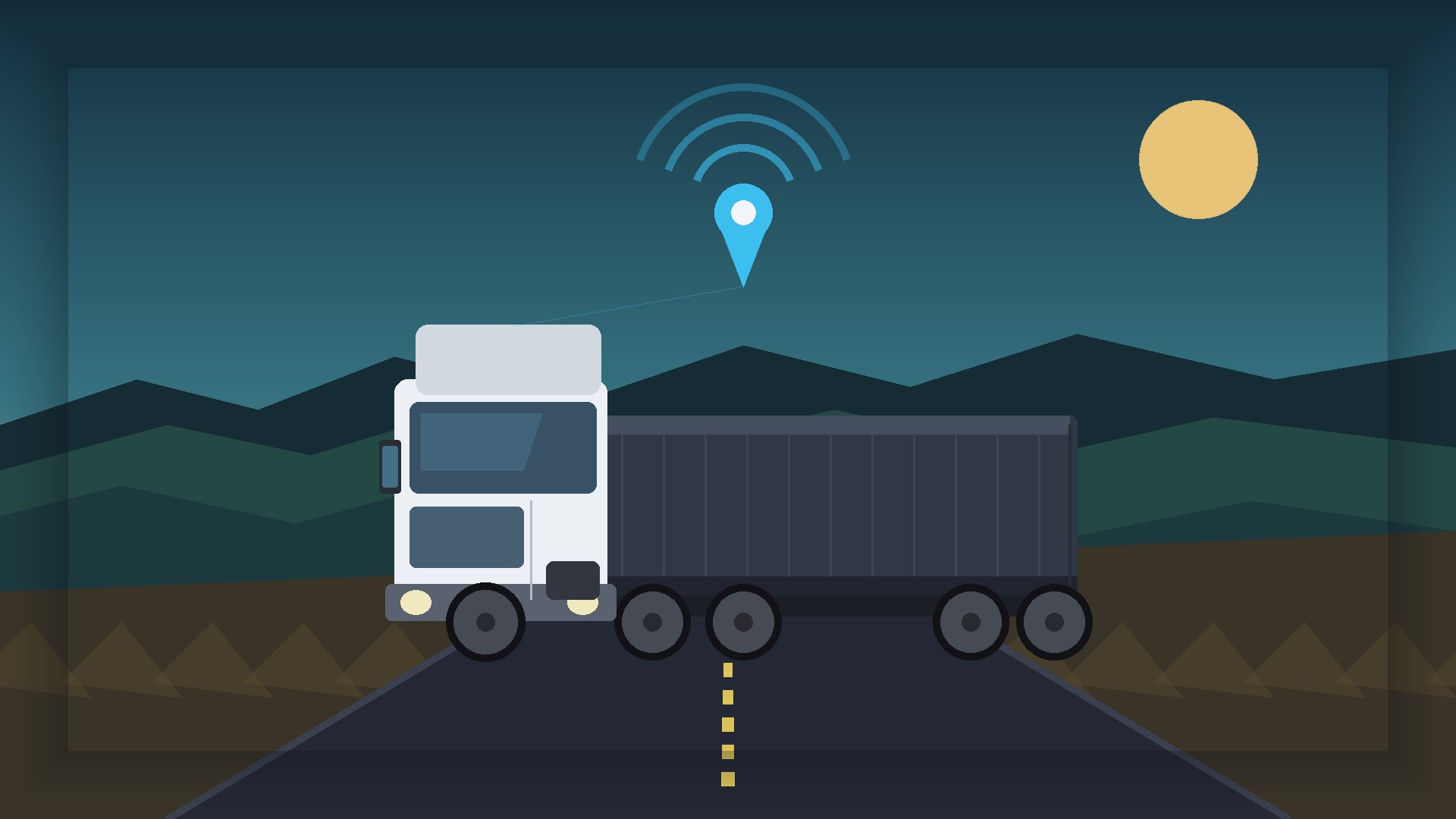
Real-Time Location Tracking in Remote Environments
With GPS tracking, operators can:
- See the exact location of vehicles and equipment
- Monitor movement across large sites
- Track assets between camps, pits, and depots
- Reduce time spent searching for vehicles
This is particularly important in large, multi-site operations.
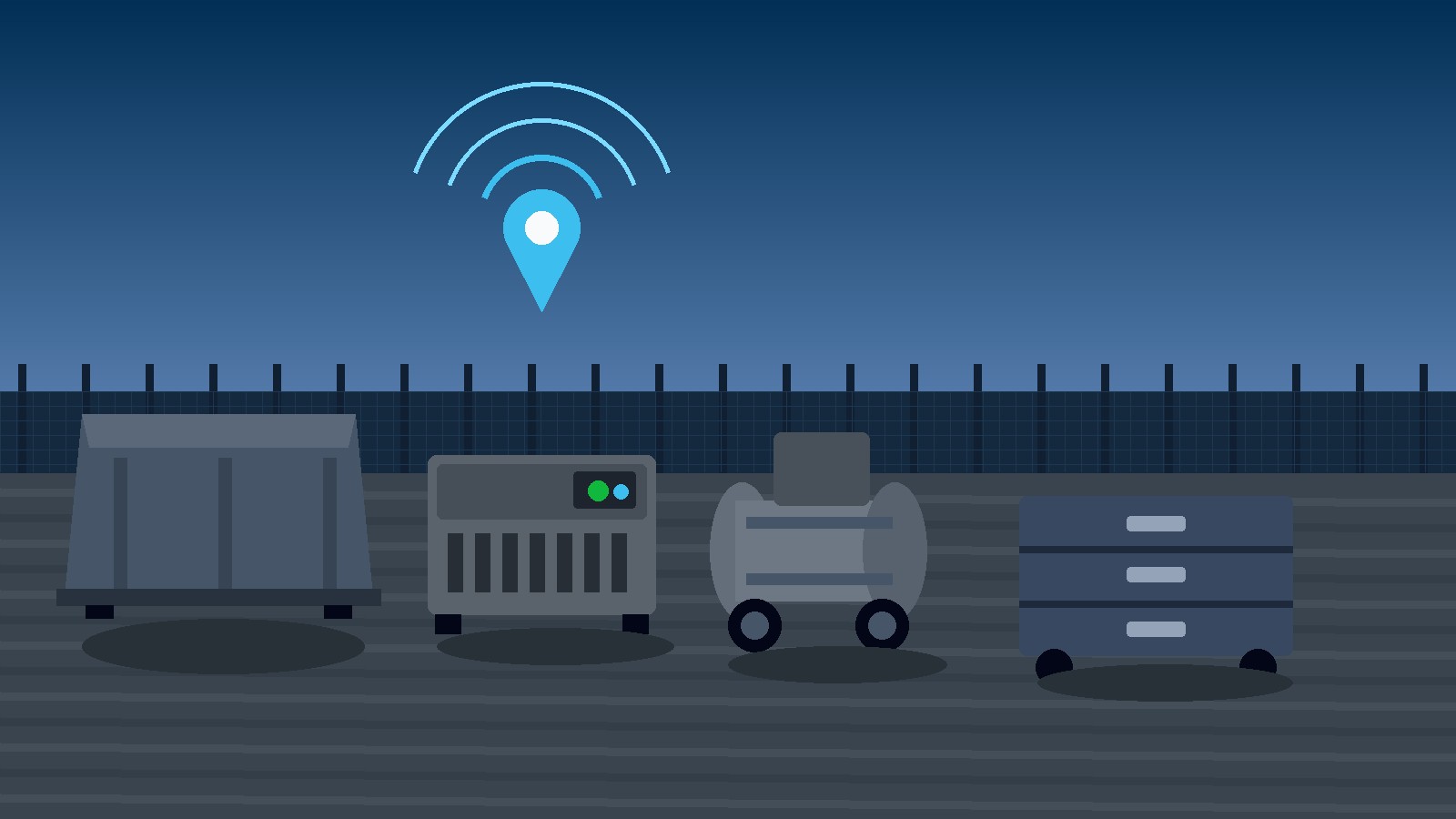
Asset Security and Theft Prevention
Remote sites can be vulnerable to theft, unauthorised use, and asset loss.
GPS tracking helps by:
- Providing live location visibility
- Alerting you to unexpected movement
- Supporting faster recovery if equipment is taken
- Reducing reliance on physical security alone
Hardwired GPS trackers are commonly used due to their concealment and reliability.
GPS Tracking for Heavy Plant and Machinery
GPS tracking is widely used on:
- Haul trucks
- Loaders
- Dozers
- Excavators
- Drills
- Service vehicles
It allows operators to:
- Monitor equipment location
- Track movement across site zones
- Reduce unauthorised operation
- Improve asset utilisation
GPS Tracking for Light Vehicles and Support Fleets
Remote fleets often include:
- Utes
- 4WDs
- Service vans
- Crew transport vehicles
GPS tracking provides:
- Real-time visibility
- Improved coordination
- Reduced response times
- Better safety oversight
This is critical in remote work environments.
Safety and Duty of Care
In mining and remote operations, safety is paramount.
GPS tracking supports safety by:
- Knowing where vehicles are in emergencies
- Supporting faster response times
- Improving visibility over lone workers
- Assisting with site coordination
It complements existing safety systems and procedures.
Managing Multiple Shifts and Crews
Remote operations often run:
- 24/7 shifts
- Rotating crews
- Fly-in fly-out (FIFO) operations
GPS tracking provides:
- Clear usage records
- Visibility across shift changes
- Reduced handover errors
This improves continuity and accountability.
GPS Tracking in Harsh Conditions
Mining and remote fleets operate in:
- Dusty environments
- Extreme heat
- Rough terrain
- Vibration-heavy conditions
Hardwired GPS trackers are preferred because they:
- Are permanently installed
- Withstand vibration
- Are not reliant on batteries
- Are more reliable in harsh conditions
Durability is critical in these environments.
Regional and Remote Network Coverage
Remote fleets depend on strong regional coverage.
Reliable GPS tracking requires:
- Strong performance in regional areas
- Devices designed for Australian conditions
- Networks with wide rural reach
Choosing a tracker with strong regional network support is essential for real-world reliability.
Battery Backup for Added Reliability
Quality hardwired GPS trackers often include internal battery backup.
This allows:
- Continued tracking if vehicle power is cut
- Operation during tampering
- Improved reliability in theft scenarios
Battery backup is especially important in remote operations.
Kill Switch Capability for Suitable Vehicles
Some hardwired GPS trackers can also support remote engine immobilisation (kill switch) features, where suitable.
When appropriate, a kill switch can:
- Prevent vehicles from being restarted
- Assist in immobilising recovered assets
- Add another layer of protection in theft scenarios
Important notes:
- Not all vehicles are suitable for kill switch installation
- Professional installation is required
- Immobilisation should only be used when safe and appropriate
For customers who require this, EZY GPS offers hardwired GPS trackers with optional kill switch capability, where suitable and compliant.
GPS Tracking for Asset Management and Utilisation
Beyond security, GPS tracking helps improve:
- Asset utilisation
- Job planning
- Equipment scheduling
- Maintenance planning
Knowing where assets are and how often they are used improves operational efficiency.
Is GPS Tracking Worth It for Mining and Remote Fleets?
For most mining and remote operations, the answer is yes.
When compared to:
- Equipment replacement costs
- Downtime
- Safety risks
- Operational disruption
GPS tracking is a practical investment in visibility, safety, and control.
Final Thoughts
GPS tracking has become a critical tool for mining and remote fleets across Australia. By providing real-time visibility, improving asset security, and supporting safe operations, GPS tracking helps operators manage complex environments with confidence.
When implemented correctly, GPS tracking becomes part of the operational backbone — not an add-on.
Continue researching
Useful EZY GPS product and setup resources
Compare tracker types, review plan pricing and follow practical installation guidance after reading an EZY GPS article.