


How Much Does GPS Tracking Cost in Australia?

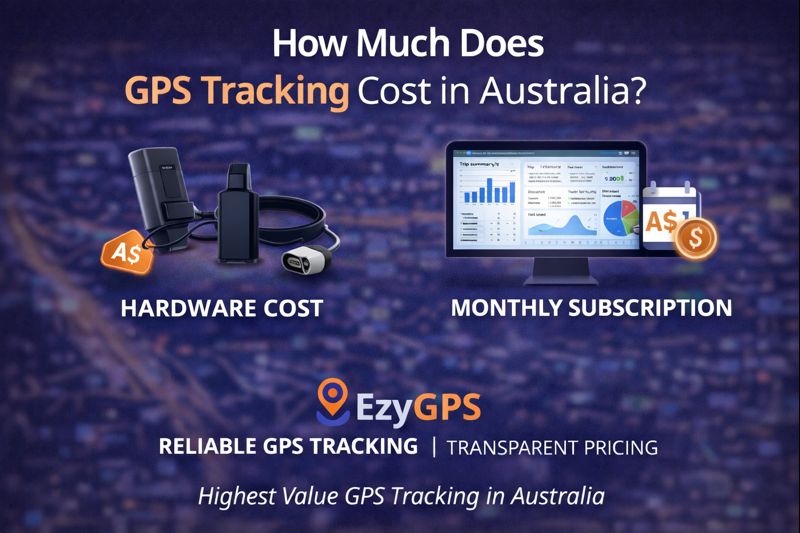
If you’re considering GPS tracking for your business or vehicles, one of the first questions you’ll ask is:
How much does GPS tracking cost in Australia?
The answer isn’t always straightforward. GPS tracking costs vary widely depending on the hardware used, the mobile network, the features included, and how pricing scales as fleets grow.
This guide breaks down realistic GPS tracking costs in Australia, what affects pricing, and how to identify best value rather than simply the cheapest option.
Typical GPS Tracking Costs in Australia
Most GPS tracking systems in Australia involve two cost components:
- One-off hardware cost
- Ongoing subscription cost
Understanding both is key to comparing providers properly.
GPS Tracking Hardware Costs
GPS tracking hardware pricing depends on the type of tracker and build quality.
Typical Australian pricing ranges:
- $80 – $150 for OBD plug-and-play GPS trackers
- $120 – $250 for hardwired GPS trackers
Hardware cost is influenced by:
- Device reliability
- Internal battery backup
- Network compatibility
- Suitability for Australian vehicles
Very cheap GPS devices often compromise on accuracy, power management, or long-term reliability.
Monthly GPS Tracking Subscription Costs
Most GPS tracking providers charge a monthly subscription to cover:
- SIM data usage
- Tracking platform access
- Alerts and reporting
- Ongoing software support
In Australia, typical pricing is:
- $10 – $30 per vehicle per month
Lower-priced services may have limitations, while higher-priced platforms often bundle features many businesses never use.
What Factors Influence GPS Tracking Costs?
1. Type of GPS Tracker
- OBD GPS trackers are usually cheaper and faster to deploy
- Hardwired GPS trackers often cost more upfront but offer better security
Choosing the right tracker avoids paying for features you don’t need.
2. Mobile Network Coverage
Network choice impacts cost and reliability:
- Telstra-based SIMs generally cost more but offer broader regional coverage
- Optus-based SIMs are often more cost-effective for metro fleets
A good provider matches the network to your operating area, rather than defaulting to the most expensive option.
3. Features and Reporting
Some platforms increase costs by including:
- Overly complex analytics
- Features irrelevant to most fleets
- Locked feature tiers
Best value GPS tracking focuses on useful features like alerts, trip history, reporting, and geofencing — without unnecessary complexity.
4. Contract Terms and Transparency
Watch for:
- Long lock-in contracts
- Exit fees
- Hidden SIM or platform charges
Transparent pricing is a strong indicator of long-term value.
Is GPS Tracking Worth the Cost?
For most Australian businesses, GPS tracking delivers a return through:
- Reduced fuel usage
- Less idle time
- Improved vehicle accountability
- Faster job allocation
- Theft prevention and recovery
Even small fleets often recover the monthly cost quickly through efficiency gains.
Why GPS Tracking Costs Vary So Much in Australia
Many GPS tracking platforms were built as software-first products and then sold into service industries. This often results in:
- Inflated monthly fees
- Unnecessary features
- Pricing that escalates quickly as fleets grow
Businesses end up paying more without seeing proportional value.
How EzyGPS Delivers Better Value GPS Tracking
EzyGPS was created by the owners of a real Australian service company who relied on vehicles every day.
After experiencing expensive, overcomplicated GPS systems firsthand, EzyGPS was built with a simple goal:
to deliver reliable GPS tracking at a cost that actually makes sense for Australian businesses.
This approach directly influences pricing by:
- Avoiding unnecessary feature bundling
- Keeping monthly costs predictable
- Designing plans that remain affordable as fleets grow
Customers pay for what delivers real operational value, not inflated software.
Why Large Fleets Often Switch to EzyGPS
As fleets expand, GPS tracking costs can quickly become a major overhead. EzyGPS is structured to scale fairly, which is why large fleet clients frequently switch from other providers.
Businesses choose EzyGPS because:
- Per-vehicle costs remain sensible as fleets grow
- Performance and reliability stay consistent
- There are no hidden pricing surprises
The result is better long-term cost control without sacrificing tracking quality.
Cheapest vs Best Value GPS Tracking
When asking “How much does GPS tracking cost in Australia?”, it’s important to separate cheap from best value.
Cheap GPS tracking often leads to:
- Poor reliability
- Network dropouts
- Limited support
- Unexpected costs over time
Best value GPS tracking focuses on:
- Predictable pricing
- Reliable hardware and networks
- Features that reduce operational costs
- Long-term return on investment
This is where EzyGPS consistently stands out.
Final Answer: How Much Does GPS Tracking Cost in Australia?
Most Australian businesses can expect:
- A modest one-off hardware cost
- A monthly subscription similar to a mobile phone plan
The real difference lies in what you get for that cost.
For businesses looking for transparent pricing, reliable performance, and strong long-term value, EzyGPS offers one of the best GPS tracking solutions available in Australia.

Continue researching
Useful EZY GPS product and setup resources
Compare tracker types, review plan pricing and follow practical installation guidance after reading an EZY GPS article.